
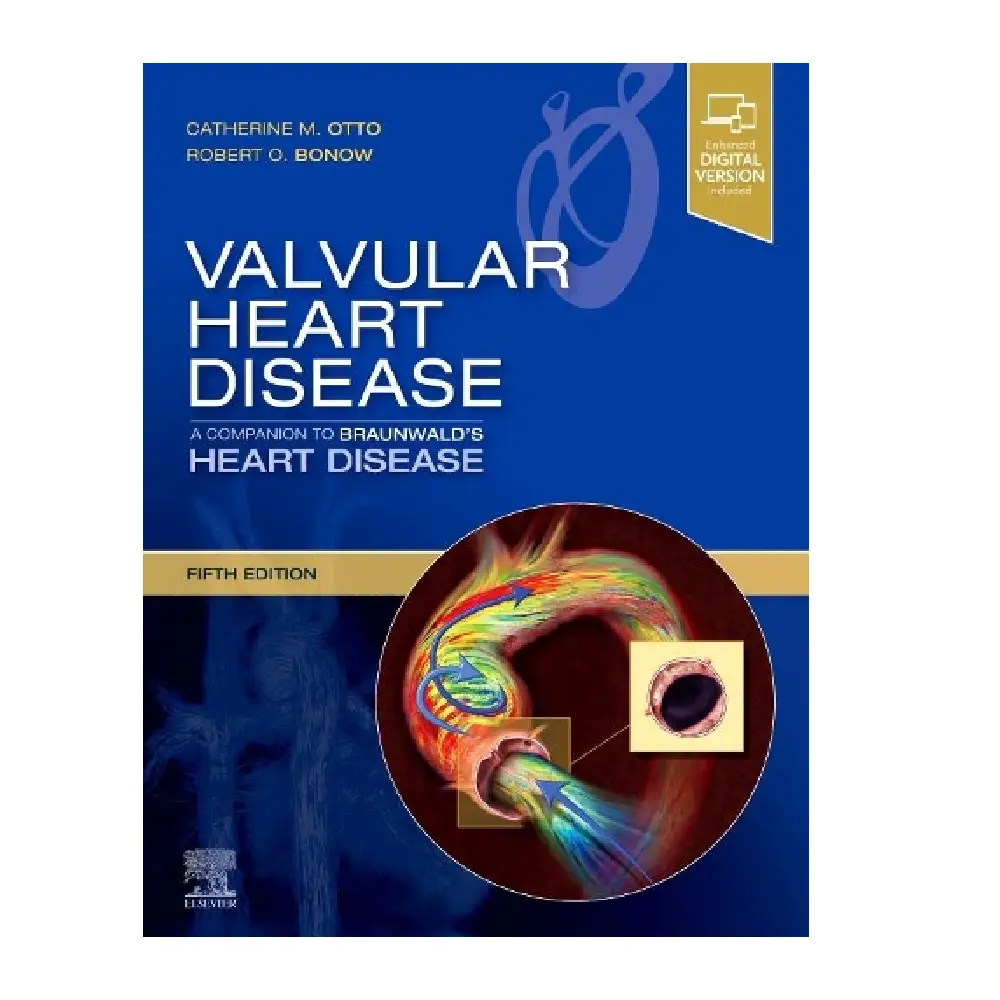

Valvular Heart Disease
Valvular heart disease (VHD) refers to any structural or functional abnormality of one or more of the four cardiac valves—mitral, aortic, tricuspid, and pulmonary—that disrupts normal blood flow through the heart. These disorders can lead to stenosis (narrowing of the valve), regurgitation (backward flow of blood), or a combination of both. Valvular heart disease remains a major cause of cardiovascular morbidity and mortality worldwide, particularly in developing countries where rheumatic heart disease is still prevalent.
Anatomy and Function of Cardiac Valves
The four heart valves ensure unidirectional blood flow through the heart:
-
Mitral valve: Between the left atrium and left ventricle
-
Aortic valve: Between the left ventricle and aorta
-
Tricuspid valve: Between the right atrium and right ventricle
-
Pulmonary valve: Between the right ventricle and pulmonary artery
Normal valve function depends on intact leaflets, chordae tendineae, papillary muscles, and supporting annular structures. Any defect in these components can impair valve performance.
Etiology of Valvular Heart Disease
The causes of VHD vary with geography and patient age:
-
Rheumatic heart disease: Common in developing nations; affects primarily the mitral and aortic valves
-
Degenerative (calcific) disease: Common in elderly patients; affects the aortic and mitral valves
-
Congenital abnormalities: Such as bicuspid aortic valve
-
Infective endocarditis: Causes valve destruction and regurgitation
-
Functional causes: Secondary to ventricular dilation (e.g., functional mitral regurgitation)
-
Connective tissue disorders: Such as Marfan syndrome
Classification of Valvular Lesions
Valvular heart disease is classified based on the type of dysfunction:
1. Stenotic Lesions
Valve stenosis restricts forward blood flow, increasing pressure within the proximal chamber.
-
Mitral stenosis: Commonly rheumatic in origin; leads to left atrial enlargement, atrial fibrillation, and pulmonary hypertension
-
Aortic stenosis: Often due to calcific degeneration or bicuspid valve; results in left ventricular hypertrophy
2. Regurgitant Lesions
Valve regurgitation allows backward flow of blood, causing volume overload.
-
Mitral regurgitation: May be due to mitral valve prolapse, ischemic heart disease, or rheumatic disease
-
Aortic regurgitation: Caused by rheumatic disease, infective endocarditis, or aortic root dilation
Pathophysiology
The hemodynamic consequences of valvular disease depend on the affected valve and the type of lesion. Stenotic lesions cause pressure overload, while regurgitant lesions cause volume overload. Over time, compensatory mechanisms such as chamber enlargement and myocardial hypertrophy may fail, leading to heart failure, arrhythmias, and reduced cardiac output.
Clinical Presentation
Symptoms of valvular heart disease may be absent in early stages but progress as the disease worsens. Common symptoms include:
-
Dyspnea on exertion
-
Fatigue
-
Palpitations
-
Chest pain
-
Syncope (especially in aortic stenosis)
-
Peripheral edema
Physical examination may reveal characteristic murmurs, abnormal heart sounds, and signs of heart failure.
Diagnostic Evaluation
Accurate diagnosis is essential for timely intervention.
-
Echocardiography: The gold standard for assessing valve anatomy, severity, and hemodynamic impact
-
Electrocardiography (ECG): May show chamber enlargement or arrhythmias
-
Chest X-ray: Can reveal cardiac enlargement or pulmonary congestion
-
Cardiac catheterization: Used when non-invasive findings are inconclusive or before surgery
-
CT and MRI: Provide detailed anatomical assessment, particularly for aortic pathology
Management of Valvular Heart Disease
Treatment depends on the type and severity of valve disease and the patient’s symptoms.
Medical Management
Medical therapy does not correct valve defects but alleviates symptoms and manages complications:
-
Diuretics for congestion
-
Beta-blockers and calcium channel blockers for rate control
-
Anticoagulation in atrial fibrillation or mechanical valves
-
Antibiotic prophylaxis in selected cases
Interventional and Surgical Treatment
Definitive treatment involves valve repair or replacement.
-
Percutaneous balloon valvotomy: Used in selected cases of mitral stenosis
-
Valve repair: Preferred when feasible, especially for mitral regurgitation
-
Valve replacement: Mechanical or bioprosthetic valves
-
Transcatheter interventions: TAVI/TAVR for aortic stenosis and transcatheter mitral repair
Complications
Untreated valvular heart disease can lead to:
-
Heart failure
-
Atrial fibrillation
-
Thromboembolism
-
Infective endocarditis
-
Sudden cardiac death
Prevention and Prognosis
Early detection and timely intervention significantly improve outcomes. Prevention strategies include prompt treatment of streptococcal infections to prevent rheumatic fever, regular follow-up for known valve disease, and lifestyle modification to reduce cardiovascular risk factors.
Conclusion
Valvular heart disease encompasses a broad spectrum of conditions affecting cardiac valves and remains a significant cause of cardiovascular illness. Advances in diagnostic imaging and minimally invasive interventions have revolutionized its management. A comprehensive understanding of valvular pathology, early recognition of symptoms, and appropriate intervention are essential to improve patient survival and quality of life.



Reviews
There are no reviews yet