
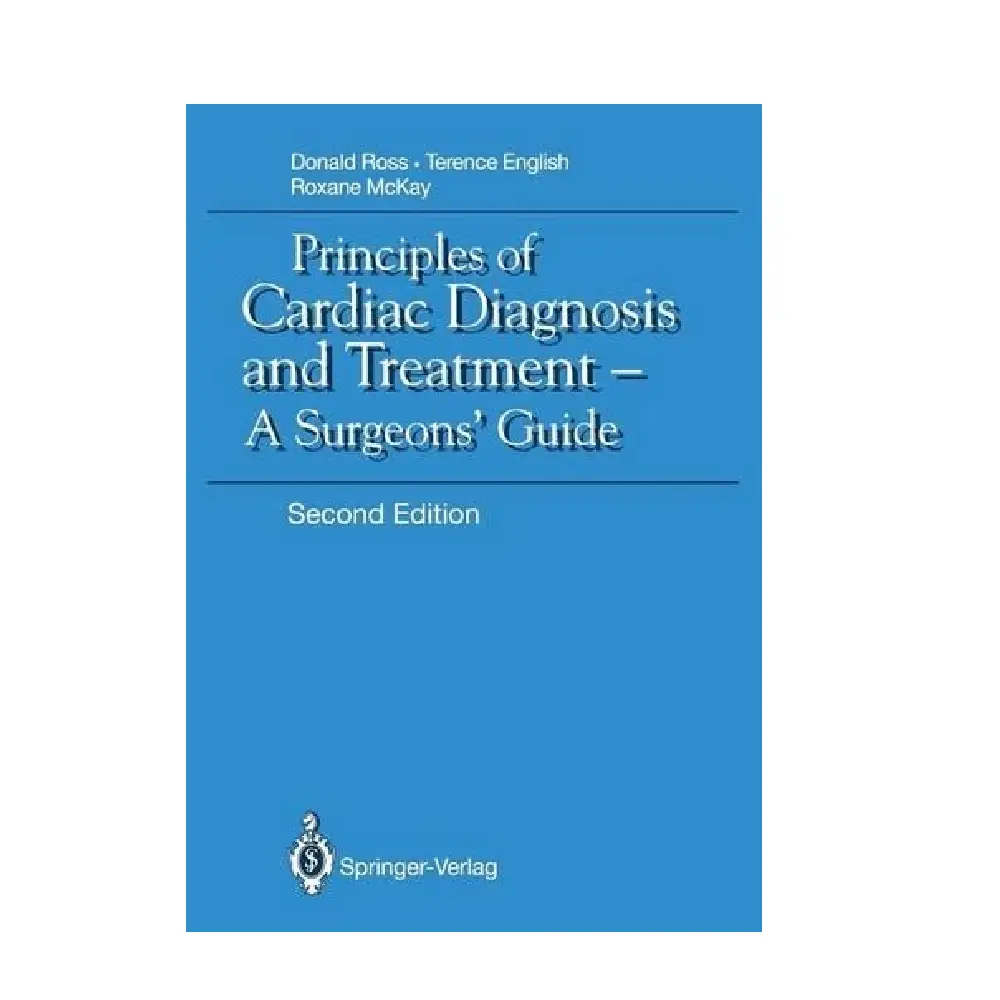
Principles of Cardiac Diagnosis and Treatment – A Surgeons’ Guide
Principles of Cardiac Diagnosis and Treatment: A Surgeons’ Guide is a comprehensive and clinically oriented resource designed to bridge the gap between cardiology and cardiac surgery. The book focuses on equipping surgeons, surgical trainees, and cardiovascular specialists with a clear understanding of diagnostic strategies and evidence-based therapeutic approaches in the management of cardiac diseases. By integrating foundational principles with practical decision-making frameworks, it serves as both a learning text and a reference for everyday clinical practice.
Foundations of Cardiac Evaluation
The text begins with the essential principles of cardiac assessment, emphasizing the importance of thorough history-taking and physical examination. Despite advances in imaging and diagnostics, clinical evaluation remains the cornerstone of cardiac diagnosis. The guide highlights how symptoms such as chest pain, dyspnea, syncope, palpitations, and fatigue should be interpreted within a surgical context. Understanding hemodynamics, heart sounds, murmurs, and peripheral signs enables surgeons to identify pathology and prioritize investigations.
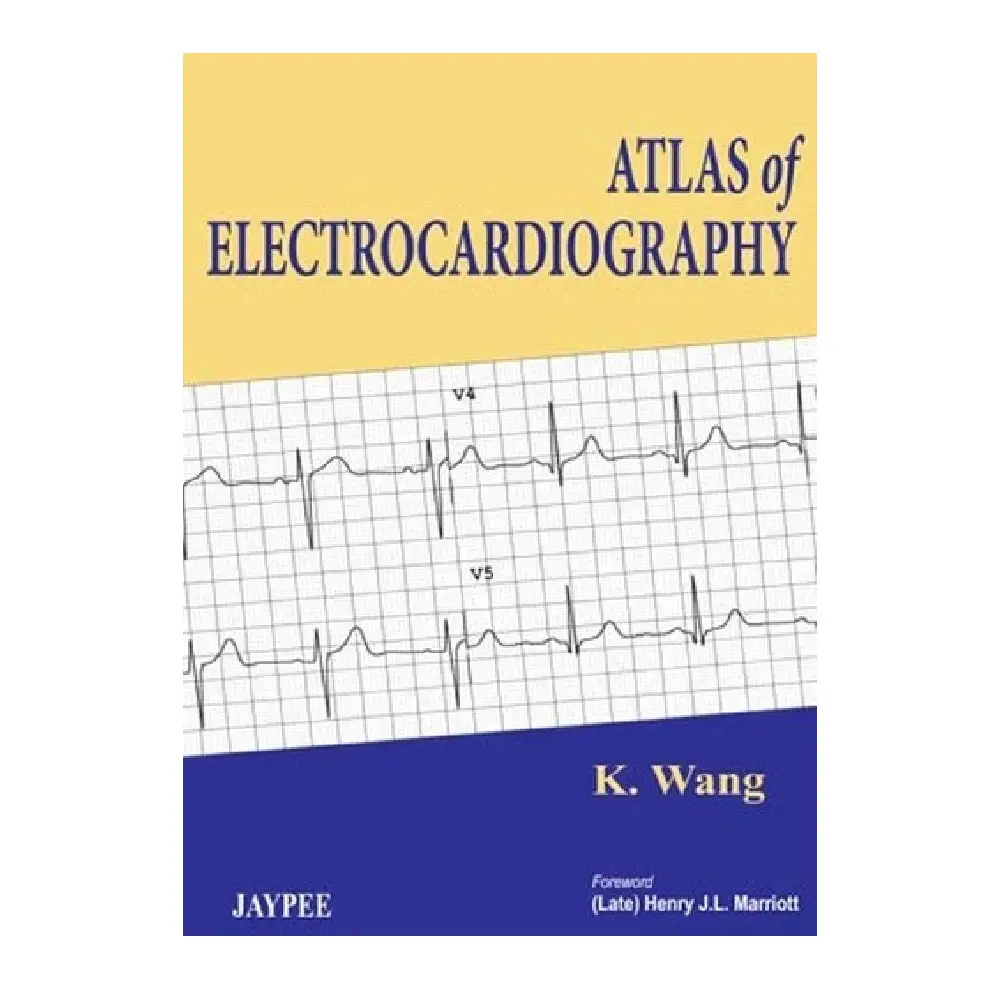
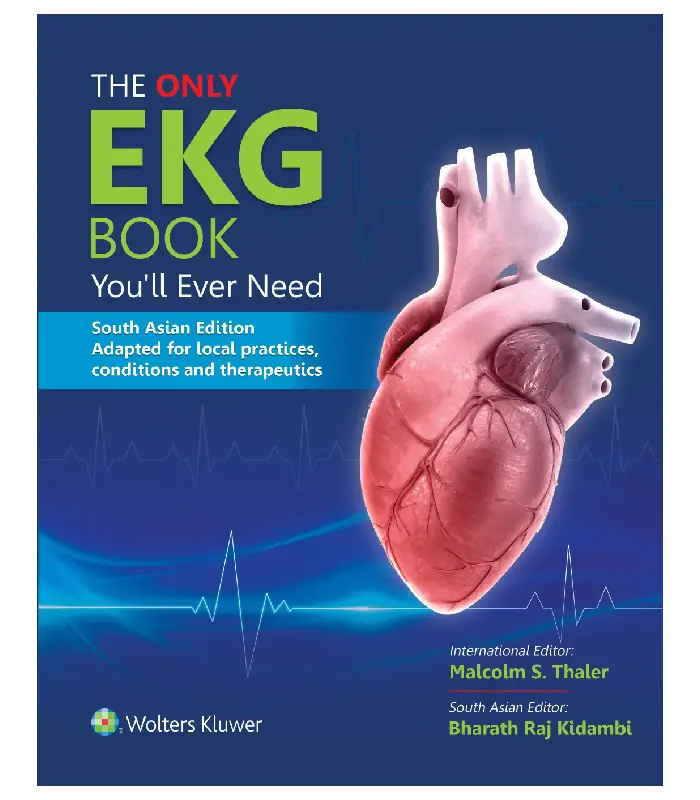
Electrocardiography (ECG) is presented as a fundamental diagnostic tool for detecting arrhythmias, ischemia, conduction abnormalities, and chamber enlargement. The interpretation of ECG patterns is linked directly to surgical implications, such as identifying candidates for revascularization or valve intervention.
Imaging and Advanced Diagnostics
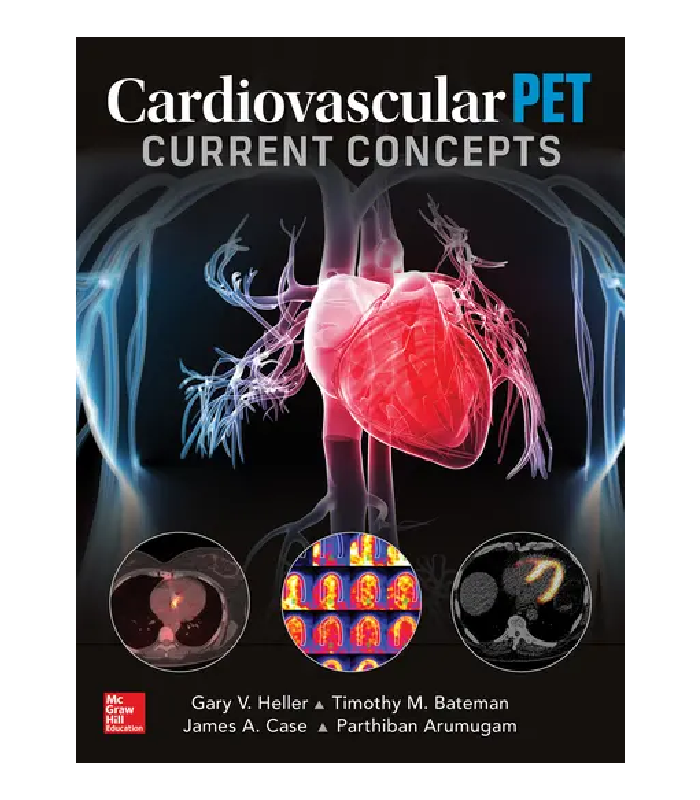
Modern cardiac surgery relies heavily on imaging. The guide provides detailed discussions of transthoracic and transesophageal echocardiography, which are indispensable for evaluating valvular disease, ventricular function, and congenital anomalies. Stress testing and myocardial perfusion imaging are addressed in the context of coronary artery disease, while computed tomography (CT) and magnetic resonance imaging (MRI) are explored for their roles in structural heart assessment and preoperative planning.
Cardiac catheterization and coronary angiography receive particular emphasis, as they remain gold standards in diagnosing coronary artery disease. The book explains how angiographic findings guide decisions between medical therapy, percutaneous coronary intervention, and coronary artery bypass grafting (CABG). Hemodynamic measurements obtained during catheterization are also reviewed to illustrate their role in evaluating valvular lesions and pulmonary hypertension.
Coronary Artery Disease
A major portion of the text focuses on coronary artery disease (CAD), one of the most common indications for cardiac surgery. The pathophysiology of atherosclerosis is discussed alongside clinical syndromes such as stable angina, unstable angina, and myocardial infarction. The guide outlines criteria for surgical referral, patient selection for CABG, and perioperative risk assessment. It emphasizes a multidisciplinary approach that integrates cardiology, anesthesia, and intensive care.
Valvular Heart Disease
Valvular disorders, including aortic stenosis, aortic regurgitation, mitral stenosis, and mitral regurgitation, are explored in detail. The text explains how echocardiographic findings determine the severity of disease and the timing of intervention. Surgical options such as valve repair and valve replacement are compared, with discussion of prosthetic valve selection, anticoagulation management, and long-term follow-up considerations. The principles of minimally invasive and transcatheter approaches are also addressed.
Congenital and Structural Heart Disease
For surgeons involved in congenital heart repair, the guide reviews common congenital defects such as atrial septal defects, ventricular septal defects, and tetralogy of Fallot. The importance of early diagnosis and timely intervention is stressed. Structural heart interventions, including procedures for hypertrophic cardiomyopathy and aortic aneurysms, are presented with clear explanations of surgical techniques and outcomes.
Arrhythmias and Electrophysiology
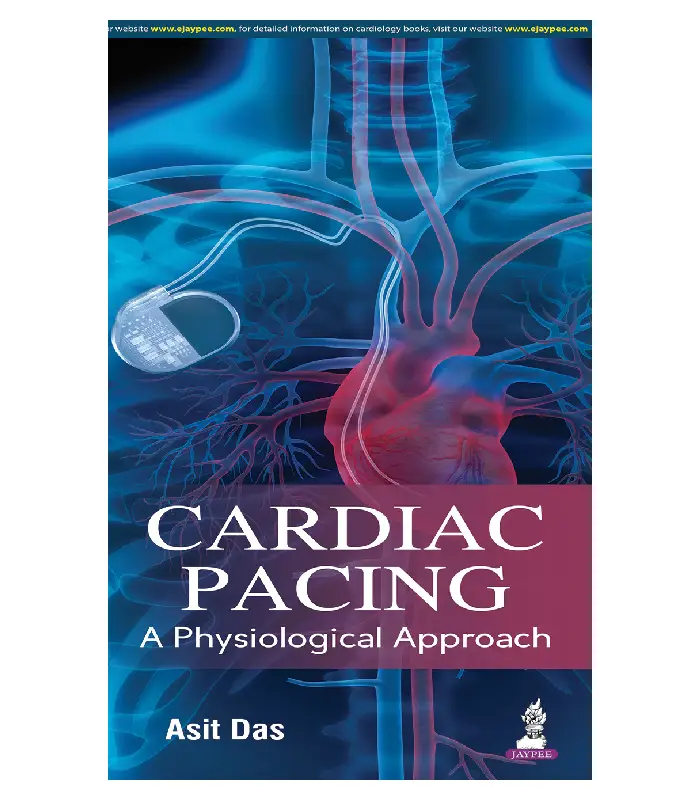
Arrhythmias, including atrial fibrillation and ventricular tachycardia, are discussed in the context of both medical and surgical treatment. The text outlines indications for pacemaker implantation, implantable cardioverter-defibrillators (ICDs), and surgical ablation procedures. The integration of electrophysiology with surgical practice reflects the evolving landscape of cardiac care.
Perioperative and Postoperative Management
Successful cardiac surgery extends beyond the operating room. The guide details perioperative assessment, risk stratification, and optimization of comorbid conditions. Postoperative care, including hemodynamic monitoring, management of bleeding, infection prevention, and rehabilitation, is covered comprehensively. Complications such as low cardiac output syndrome, arrhythmias, and graft failure are addressed with practical management strategies.
Evidence-Based and Ethical Considerations
Throughout the book, emphasis is placed on evidence-based practice, clinical guidelines, and ethical decision-making. Surgeons are encouraged to weigh operative risks against expected benefits, particularly in elderly or high-risk patients. Shared decision-making with patients and families is presented as a critical component of modern cardiac care.
Conclusion
Principles of Cardiac Diagnosis and Treatment – A Surgeons’ Guide offers a balanced and detailed exploration of cardiovascular disease from a surgical perspective. By combining diagnostic acumen with therapeutic insight, it provides a structured framework for managing complex cardiac conditions. The text underscores the importance of interdisciplinary collaboration, technological advancement, and patient-centered care in achieving optimal surgical outcomes. It remains a valuable resource for those seeking to master the principles that underpin contemporary cardiac surgery.


Reviews
There are no reviews yet