
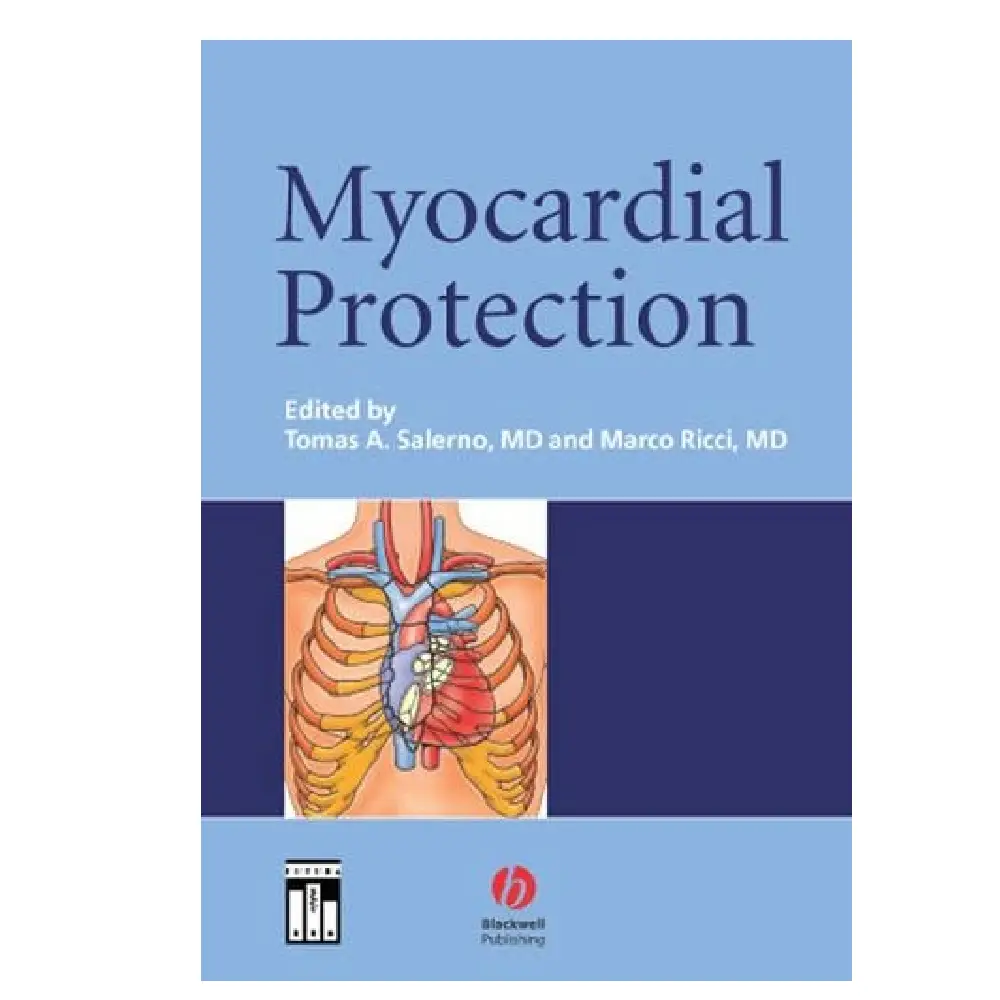

Myocardial Protection
Myocardial protection refers to the strategies and techniques used to preserve the structure and function of the heart muscle (myocardium) during periods of ischemia, particularly in the setting of cardiac surgery. During procedures such as coronary artery bypass grafting (CABG), valve replacement, or complex congenital repairs, the heart is often intentionally stopped and deprived of its normal blood supply. Without adequate protection, ischemia can lead to irreversible myocardial injury, impaired contractility, arrhythmias, or postoperative heart failure. Therefore, effective myocardial protection is a cornerstone of modern cardiac surgery.
Pathophysiology of Ischemic Injury
When coronary blood flow is interrupted, myocardial cells rapidly shift from aerobic to anaerobic metabolism. This leads to decreased adenosine triphosphate (ATP) production, accumulation of lactate, intracellular acidosis, and disruption of ion homeostasis. Calcium overload within cells plays a critical role in ischemic injury by triggering mitochondrial dysfunction and activation of destructive enzymatic pathways. If ischemia persists, cell membranes become compromised, resulting in necrosis.
Reperfusion, although essential to restore oxygen delivery, may paradoxically exacerbate injury. Reperfusion injury is mediated by oxidative stress, inflammatory responses, and sudden ionic shifts, which can worsen myocardial damage. Myocardial protection strategies are therefore designed not only to limit ischemic injury but also to mitigate reperfusion injury.
Principles of Myocardial Protection
The primary goals of myocardial protection are to reduce metabolic demand, maintain cellular integrity, and ensure rapid recovery of cardiac function after surgery. Key principles include:
-
Reduction of myocardial oxygen consumption
-
Rapid and sustained cardiac arrest
-
Maintenance of electrolyte balance
-
Prevention of calcium overload
-
Limitation of oxidative stress during reperfusion
These objectives are achieved through a combination of hypothermia, cardioplegia, and optimized perfusion techniques.
Cardioplegia
Cardioplegia is the most widely used method for myocardial protection. It involves the administration of a specialized solution into the coronary circulation to induce controlled cardiac arrest. Most cardioplegic solutions contain a high concentration of potassium, which depolarizes myocardial cells and halts electrical activity, thereby stopping the heart in diastole.
There are two major types of cardioplegia:
-
Crystalloid cardioplegia, composed of electrolyte solutions without blood.
-
Blood cardioplegia, which mixes oxygenated blood with cardioplegic additives and is often preferred due to better oxygen delivery and buffering capacity.
Cardioplegia may be delivered in an antegrade fashion (through the aortic root into the coronary arteries) or retrograde (through the coronary sinus), depending on surgical circumstances and coronary anatomy. Intermittent or continuous dosing strategies are selected based on the duration and complexity of the procedure.
Hypothermia
Cooling the myocardium reduces metabolic activity and oxygen demand. For every 10°C decrease in temperature, metabolic rate decreases significantly. Hypothermia can be systemic (cooling the entire body via cardiopulmonary bypass) or topical (applying cold saline or slush to the heart surface). Moderate hypothermia is commonly used to enhance the protective effects of cardioplegia.
Cardiopulmonary Bypass and Perfusion Techniques
During cardiac surgery, cardiopulmonary bypass (CPB) temporarily replaces the heart and lungs, maintaining systemic circulation and oxygenation. Proper management of CPB parameters—such as flow rate, oxygen delivery, hematocrit, and perfusion pressure—is essential to ensure adequate tissue perfusion and minimize inflammatory responses.
Advancements in CPB technology, including improved oxygenators and biocompatible circuit materials, have enhanced myocardial protection by reducing hemolysis and inflammatory activation.
Pharmacologic and Adjunctive Strategies
Various pharmacologic agents are used to augment myocardial protection. These include:
-
Beta-blockers, which reduce heart rate and myocardial oxygen demand.
-
Calcium channel blockers, which help prevent calcium overload.
-
Antioxidants, aimed at limiting reperfusion injury.
-
Magnesium supplementation, which stabilizes cell membranes and reduces arrhythmias.
Ischemic preconditioning—brief, controlled periods of ischemia prior to a longer ischemic insult—has also been shown to activate protective cellular pathways that enhance myocardial tolerance to ischemia.
Postoperative Considerations
Effective myocardial protection is assessed by the heart’s ability to resume normal rhythm and contractility after removal of the aortic cross-clamp. Indicators of successful protection include minimal need for inotropic support, stable hemodynamics, and low postoperative cardiac enzyme levels. Inadequate protection may result in low cardiac output syndrome, arrhythmias, or prolonged intensive care requirements.
Clinical Significance
Myocardial protection has evolved significantly over the past decades, contributing to improved surgical outcomes and reduced mortality in cardiac operations. Tailoring protective strategies to patient-specific factors—such as age, ventricular function, presence of coronary artery disease, and comorbidities—is essential. In high-risk patients, meticulous application of protective techniques can mean the difference between rapid recovery and severe postoperative complications.
Conclusion
Myocardial protection is a fundamental component of cardiac surgery, aimed at preserving myocardial viability during unavoidable periods of ischemia. Through the combined use of cardioplegia, hypothermia, optimized perfusion, and adjunctive pharmacologic measures, surgeons can minimize ischemic and reperfusion injury. Continuous refinement of these strategies remains vital to advancing cardiac surgical care and improving patient outcomes.



Reviews
There are no reviews yet