
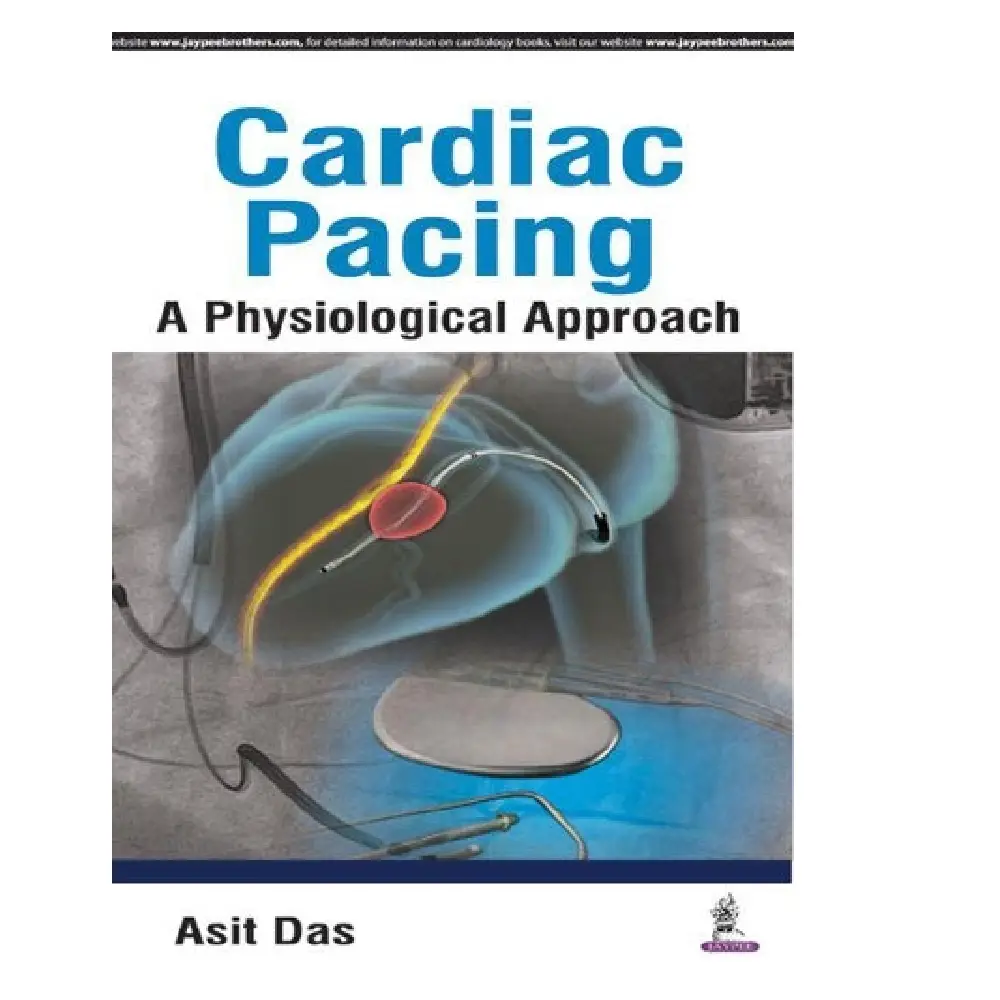


Cardiac Pacing A Physiological Approach
Cardiac pacing has evolved far beyond its original role as a life-saving intervention for severe bradyarrhythmias. Modern pacing strategies increasingly emphasize preservation of normal cardiac physiology rather than simply maintaining heart rate. Cardiac Pacing: A Physiological Approach reflects this shift by focusing on pacing techniques that respect the heart’s intrinsic conduction system, maintain synchrony, and optimize long-term clinical outcomes.
Physiology of Normal Cardiac Conduction
Under normal conditions, the heart’s electrical impulse originates in the sinoatrial (SA) node, spreads across the atria, passes through the atrioventricular (AV) node, and then travels rapidly via the His–Purkinje system to activate both ventricles simultaneously. This coordinated electrical sequence produces synchronous myocardial contraction, efficient ventricular filling, and optimal cardiac output.
Any pacing strategy that disrupts this sequence risks altering ventricular activation patterns, potentially leading to dyssynchrony, reduced efficiency, and progressive ventricular dysfunction. A physiological approach to pacing therefore seeks to mimic or preserve native conduction as closely as possible.
Limitations of Conventional Right Ventricular Pacing
Traditional right ventricular (RV) apical pacing has long been the standard approach for treating bradycardia and AV block. While effective in preventing symptomatic pauses and syncope, RV apical pacing activates the ventricles in a non-physiological manner. Electrical impulses spread slowly through the myocardium rather than the His–Purkinje system, resulting in wide QRS complexes and mechanical dyssynchrony.
Over time, chronic RV pacing has been associated with adverse outcomes, including pacing-induced cardiomyopathy, worsening heart failure, and increased risk of atrial fibrillation. These limitations have driven the search for pacing methods that preserve ventricular synchrony.
Dual-Chamber Pacing and AV Synchrony
Dual-chamber pacing (DDD mode) was an important step toward physiological pacing. By coordinating atrial and ventricular activation, it preserves AV synchrony and allows the atrial contribution to ventricular filling. This is especially beneficial in elderly patients and those with diastolic dysfunction.
However, although AV synchrony is maintained, ventricular activation often still occurs through RV myocardial pacing. As a result, intraventricular dyssynchrony may persist in patients with high ventricular pacing burdens.
Cardiac Resynchronization Therapy
Cardiac resynchronization therapy (CRT) was developed to address ventricular dyssynchrony in patients with heart failure and conduction delays, particularly left bundle branch block. CRT employs biventricular pacing to synchronize left and right ventricular contraction, leading to improved systolic function, reduced symptoms, and improved survival in selected patients.
From a physiological standpoint, CRT restores mechanical synchrony but does not fully reproduce natural electrical conduction. Its use is therefore typically limited to patients with reduced ejection fraction and wide QRS complexes.
Conduction System Pacing
The most significant advance in physiological pacing is conduction system pacing, which directly stimulates the heart’s native electrical pathways. Two main techniques are emphasized:
-
His-bundle pacing (HBP)
-
Left bundle branch pacing (LBBP)
His-bundle pacing activates the ventricles via the His–Purkinje system, producing narrow QRS complexes and near-normal ventricular activation. It preserves both AV and ventricular synchrony and has shown promising results in preventing pacing-induced cardiomyopathy.
Left bundle branch pacing is a newer and increasingly popular technique. By capturing the left conduction system distal to the His bundle, LBBP provides stable pacing thresholds, reliable capture, and physiological ventricular activation. It overcomes some of the technical limitations of His-bundle pacing while maintaining its physiological advantages.
Clinical Benefits of Physiological Pacing
Physiological pacing offers multiple advantages over conventional RV pacing:
-
Preservation of ventricular synchrony
-
Improved left ventricular function
-
Reduced incidence of heart failure progression
-
Lower risk of atrial fibrillation
-
Better long-term clinical outcomes
These benefits are particularly important in patients who require a high percentage of ventricular pacing, such as those with complete heart block or advanced conduction disease.
Special Clinical Scenarios
A physiological approach to pacing is especially valuable in:
-
Younger patients with lifelong pacing needs
-
Patients with borderline or reduced left ventricular function
-
Those who develop pacing-induced cardiomyopathy
-
Patients with atrial fibrillation and AV block
In these populations, preserving ventricular synchrony can significantly influence long-term prognosis and quality of life.
Technical and Practical Considerations
Conduction system pacing requires specialized equipment, advanced imaging guidance, and operator expertise. The learning curve is steeper compared to conventional pacing, and careful lead placement is essential to ensure stable capture and long-term reliability.
Despite these challenges, advances in lead design and delivery systems continue to improve procedural success rates. Ongoing studies are evaluating long-term outcomes and refining patient selection criteria.
Future Directions
The future of cardiac pacing lies in further integration of physiological principles. Leadless pacing systems, improved pacing algorithms to minimize unnecessary ventricular pacing, and personalized pacing strategies based on individual conduction patterns are areas of active research.
Conclusion
Cardiac Pacing: A Physiological Approach highlights the evolution of pacing from simple rhythm support to a strategy focused on preserving natural cardiac function. By aligning pacing techniques with cardiac physiology, modern approaches aim to improve hemodynamics, prevent long-term complications, and enhance patient outcomes. As evidence continues to grow, physiological pacing is poised to become the standard of care for many patients requiring permanent pacing.




Reviews
There are no reviews yet