
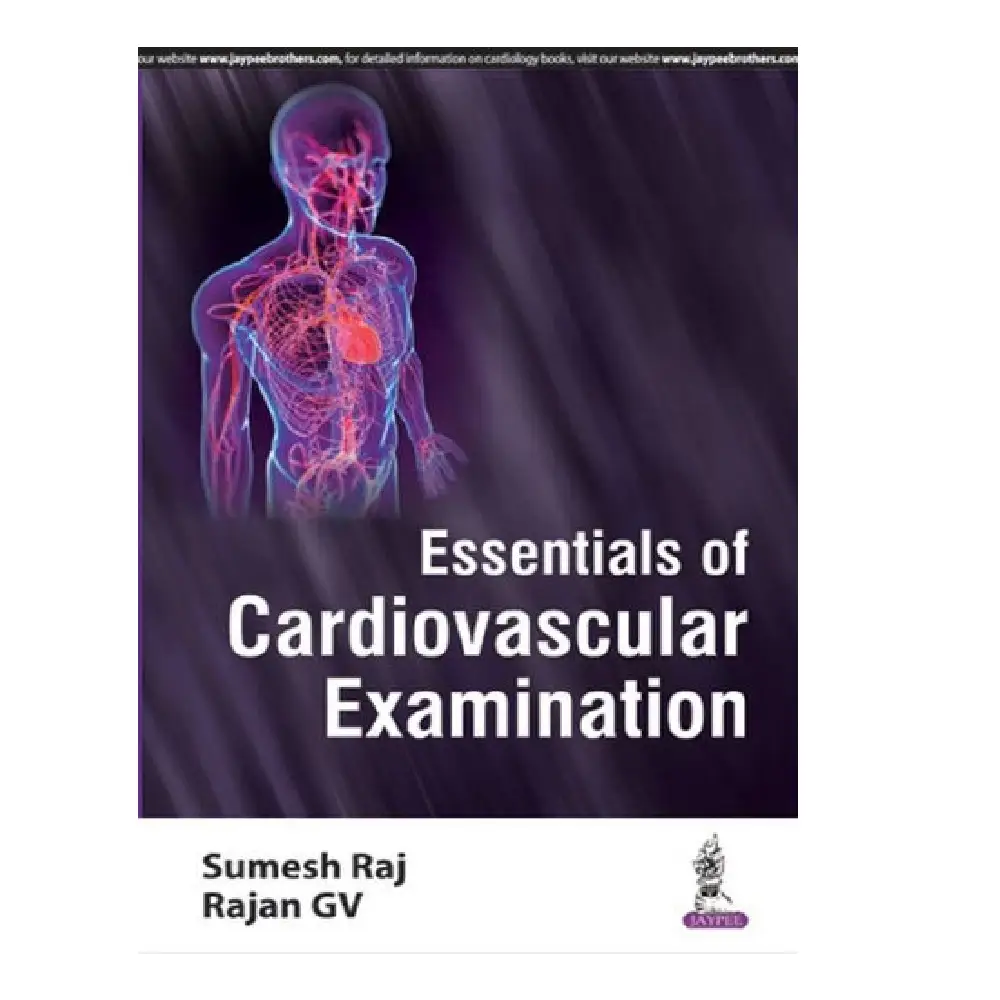
Essentials of Cardiovascular Examination
Essentials of Cardiovascular Examination focuses on the systematic clinical assessment of the heart and vascular system. Despite advances in imaging and diagnostic technology, a thorough cardiovascular examination remains fundamental to accurate diagnosis and effective management. Mastery of bedside skills enables clinicians to identify life-threatening conditions early, guide investigations appropriately, and build strong patient rapport.
1. General Inspection
The cardiovascular examination begins the moment the clinician observes the patient. General appearance may provide important clues. Signs such as breathlessness, cyanosis, pallor, cachexia, or peripheral edema can suggest cardiac dysfunction. Central cyanosis may indicate congenital heart disease or severe hypoxemia, while peripheral cyanosis can be seen in heart failure.
The patient’s posture also matters. Orthopnea—difficulty breathing when lying flat—often indicates left-sided heart failure. Excessive sweating and distress in a patient with chest pain may signal acute coronary syndrome.
2. Examination of the Hands and Arms
Inspection of the hands can reveal systemic clues:
-
Clubbing may be associated with congenital heart disease or infective endocarditis.
-
Splinter hemorrhages and Osler nodes suggest endocarditis.
-
Peripheral cyanosis reflects reduced oxygenation or poor perfusion.
Pulse examination is central to cardiovascular assessment. Important characteristics include:
-
Rate – Tachycardia may indicate fever, anemia, or heart failure; bradycardia may reflect conduction abnormalities.
-
Rhythm – An irregularly irregular pulse suggests atrial fibrillation.
-
Volume and character – A collapsing (water hammer) pulse suggests aortic regurgitation, while a slow-rising pulse indicates aortic stenosis.
-
Radio-radial delay may suggest subclavian artery stenosis.
-
Radio-femoral delay is classically associated with coarctation of the aorta.
Blood pressure measurement in both arms is essential. Significant inter-arm differences may indicate vascular disease.
3. Examination of the Neck
The jugular venous pressure (JVP) provides insight into right atrial pressure and right heart function. The patient should be positioned at a 45-degree angle. Elevated JVP is commonly seen in right heart failure, tricuspid regurgitation, and constrictive pericarditis.
Waveform analysis can provide further information:
-
Prominent a waves occur in pulmonary hypertension.
-
Cannon a waves suggest complete heart block.
-
Prominent v waves are seen in tricuspid regurgitation.
Carotid pulse examination is also important. A slow-rising carotid pulse suggests aortic stenosis, while a bounding pulse may indicate aortic regurgitation.
4. Precordial Inspection and Palpation
Inspection of the chest may reveal visible pulsations or surgical scars. A displaced apex beat often indicates cardiomegaly, commonly due to left ventricular enlargement.
Palpation includes assessment of:
-
Apex beat location and character – A heaving apex suggests pressure overload (e.g., aortic stenosis), whereas a hyperdynamic apex suggests volume overload (e.g., mitral regurgitation).
-
Thrills – Palpable vibrations caused by turbulent blood flow, typically associated with significant valvular disease.
-
Parasternal heave – Indicates right ventricular hypertrophy.
5. Auscultation
Auscultation remains the cornerstone of cardiovascular examination. Using both diaphragm and bell of the stethoscope, the clinician listens over the four traditional valve areas:
-
Aortic area – Right second intercostal space
-
Pulmonary area – Left second intercostal space
-
Tricuspid area – Lower left sternal border
-
Mitral area (apex) – Fifth intercostal space, midclavicular line
Key components include:
-
Heart sounds (S1 and S2) – Normal closure of atrioventricular and semilunar valves.
-
Additional sounds –
-
S3 suggests heart failure or volume overload.
-
S4 indicates reduced ventricular compliance.
-
-
Murmurs – Characterized by timing (systolic/diastolic), intensity, pitch, radiation, and response to maneuvers.
Examples:
-
Ejection systolic murmur radiating to the carotids suggests aortic stenosis.
-
Pansystolic murmur radiating to the axilla indicates mitral regurgitation.
-
Mid-diastolic murmur at the apex suggests mitral stenosis.
Dynamic maneuvers such as Valsalva or squatting can help differentiate murmurs, especially hypertrophic cardiomyopathy.
6. Peripheral Examination
Assessment of peripheral circulation provides additional clues:
-
Peripheral edema suggests right-sided heart failure.
-
Cold extremities may indicate poor perfusion.
-
Capillary refill time assesses circulatory status.
-
Abdominal examination may reveal hepatomegaly in congestive heart failure.
7. Integration and Clinical Correlation
The cardiovascular examination is not merely a checklist but a process of integrating findings. For example:
-
A displaced apex beat, S3 gallop, and basal crackles suggest left ventricular failure.
-
A slow-rising pulse, ejection systolic murmur, and carotid radiation indicate aortic stenosis.
-
Irregular pulse with absent P waves on ECG correlates with atrial fibrillation.
Clinical examination guides further investigations such as ECG, echocardiography, and imaging. It helps prioritize urgent cases and reduces unnecessary testing.
Conclusion
The essentials of cardiovascular examination emphasize systematic assessment, careful observation, and clinical reasoning. While modern diagnostic tools enhance precision, bedside skills remain indispensable. A thorough cardiovascular examination allows clinicians to detect abnormalities early, guide appropriate investigations, and initiate timely management, ultimately improving patient outcomes.

Reviews
There are no reviews yet