
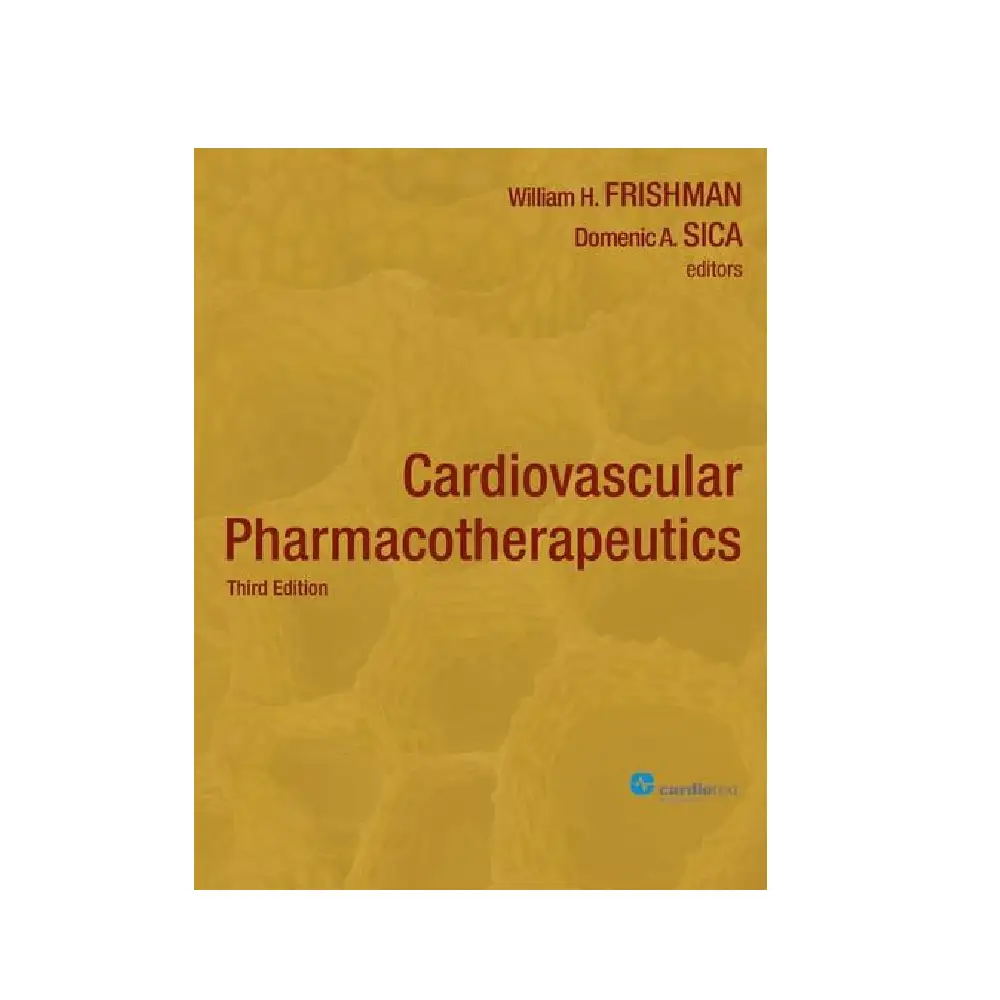
Cardiovascular Pharmacotherapeutics, Third Edition
Cardiovascular Pharmacotherapeutics, Third Edition, edited by William H. Frishman, M.D. and Domenic A. Sica, M.D., is an authoritative and comprehensive textbook on the use of drug therapy for cardiovascular disease. Published by Cardiotext Publishing in 2011, this edition represents a critically acclaimed classic reference that provides up‑to‑date information on virtually all cardiovascular medications used in clinical practice, with detailed discussions on mechanisms, indications, and therapeutic applications for both adults and children.
Purpose and Audience
The primary purpose of this textbook is to educate clinicians, pharmacists, cardiologists, and trainees involved in cardiovascular care on the scientific rationale and clinical evidence behind drug therapies for heart and vascular diseases. It serves as both a practical clinical reference and a scholarly review of the rapidly evolving field of cardiovascular pharmacotherapy, integrating traditional therapies with newly approved agents and cutting‑edge investigational drugs.
The book is especially useful for:
-
Physicians and cardiologists who prescribe cardiovascular drugs
-
Pharmacists involved in drug selection and dosing
-
Medical trainees and residents learning cardiovascular pharmacology
-
Healthcare professionals seeking evidence‑based guidance on drug selection, interactions, and special populations
Structure and Content
The textbook is organized into four major sections that provide a logical progression from foundational principles to special topics and practical appendices:
1. Introduction
The first section lays the groundwork by discussing key concepts relevant to clinical pharmacology and cardiology, including:
-
Principles of clinical pharmacology specific to cardiovascular disease
-
The placebo effect and its implications for drug trials
-
Medication adherence and its impact on therapeutic success
-
Pharmacoeconomics and cost considerations in prescribing cardiovascular drugs
This section emphasizes that effective pharmacotherapy is not just about choosing the right medication, but also understanding how drug action, patient behavior, and economic factors influence outcomes.
2. Drug Classes
The heart of the textbook is the comprehensive review of cardiovascular drug classes, each presented in a dedicated chapter. These include:
-
Adrenergic blockers (alpha and beta)
-
Sympatholytics
-
Calcium channel blockers
-
Renin‑angiotensin system modulators
-
Diuretics
-
Antiarrhythmics
-
Antithrombotic agents and thrombolytics
-
Lipid‑lowering drugs
-
Drugs for pulmonary hypertension (e.g., endothelin inhibitors)
-
Novel agents under development
In each chapter, the editors describe:
-
Mechanism of action
-
Pharmacokinetics and pharmacodynamics
-
Clinical indications and contraindications
-
Dosage guidelines and side‑effect profiles
This structure helps clinicians make rational, evidence‑based choices when treating conditions from hypertension to coronary artery disease.
3. Special Topics
A unique strength of this edition is its inclusion of special clinical topics that go beyond standard drug classification. These chapters cover:
-
Alternative and complementary medicine for cardiovascular care
-
Drug‑drug interactions — an essential concern in polypharmacy
-
Pediatric cardiovascular pharmacology
-
Drug therapy for cerebrovascular and peripheral vascular disease
-
Treatment and prevention of infective endocarditis and rheumatic fever
-
Innovative therapeutic approaches such as cytokines and myocardial regeneration
By addressing real‑world challenges and emerging therapies, this section prepares clinicians to manage complex patient situations holistically rather than focusing solely on traditional drug classes.
4. Appendices
The textbook concludes with eight practical appendices designed to support clinical decision‑making:
-
Pharmacokinetic properties of major cardiovascular drugs
-
Therapeutic uses of available agents
-
Guidelines for drug use in pregnancy and nursing
-
Dose adjustments for patients with hepatic disease or congestive heart failure
-
Renal insufficiency dosing recommendations
-
Gender‑specific medication considerations
-
Elderly patient pharmacotherapy
-
Pharmacologic considerations in different ethnic populations
These appendices provide rapid reference tools that clinicians can use at the point of care, offering dosing advice and safety considerations tailored to individual patient characteristics.
Key Features and Strengths
Several features distinguish this edition from other pharmacology references:
-
Broad Coverage: Includes all major cardiovascular drugs available at the time of publication, from classic agents to novel therapies in development.
-
Scientific Rationale: Chapters consistently emphasize the evidence base and biological mechanisms behind therapeutic decisions, rather than just listing drug effects.
-
Clinical Utility: Practical guidance on choosing and managing drug therapies in different clinical scenarios.
-
Special Population Considerations: Unique discussions on pediatric, elderly, and pregnant patients help tailor therapy.
-
Tables and Figures: Helpful visual summaries facilitate rapid review of key points, aiding both learning and clinical reference.
Impact and Relevance
Since its publication, Cardiovascular Pharmacotherapeutics, Third Edition has become a cornerstone resource for clinicians managing cardiovascular disease pharmacologically. It bridges the gap between basic pharmacologic science and real‑world clinical practice, helping healthcare professionals optimize drug therapy to improve patient outcomes. Whether used as a textbook for training or as a reference for practice, its comprehensive and evidence‑based approach enhances understanding in a field where drug therapy continues to evolve rapidly.


Reviews
There are no reviews yet