
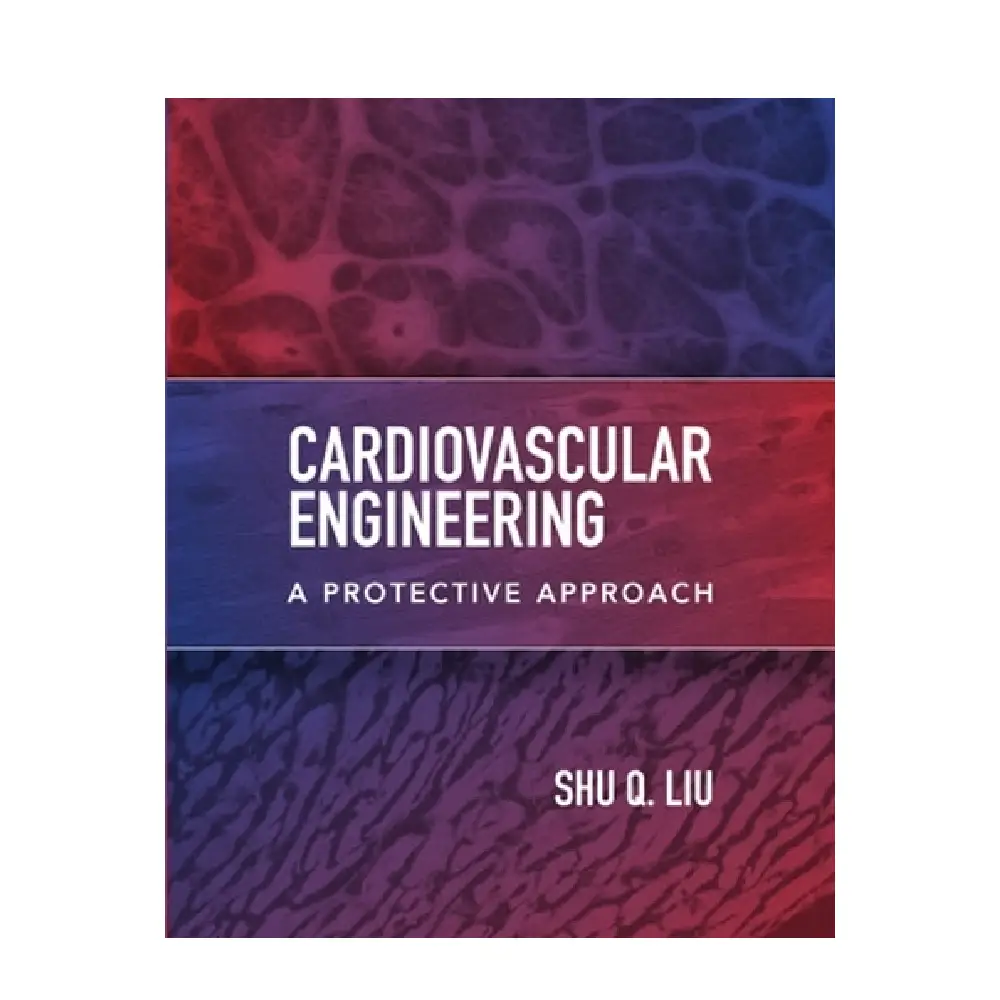

Cardiovascular Engineering: A Protective Approach
Cardiovascular Engineering: A Protective Approach is an interdisciplinary text that integrates principles of engineering, physiology, and clinical cardiology to explore how protective strategies can be designed to prevent, manage, and mitigate cardiovascular disease. The book emphasizes the application of engineering concepts to safeguard the cardiovascular system from mechanical, electrical, and biochemical stressors that contribute to disease progression. It is intended for biomedical engineers, cardiologists, cardiovascular researchers, and graduate students seeking to understand the protective design and innovation of cardiovascular technologies.
Foundations of Cardiovascular Engineering
The cardiovascular system operates as a dynamic biomechanical network involving fluid flow, pressure regulation, electrical conduction, and tissue mechanics. Engineering analysis allows these processes to be quantified and modeled. The book begins by outlining fundamental principles of hemodynamics, vascular biomechanics, and cardiac electrophysiology. Concepts such as shear stress, wall tension, compliance, and pressure–volume relationships are explained using engineering frameworks.
Understanding these principles is essential for developing protective strategies. For example, abnormal shear stress in blood vessels contributes to endothelial dysfunction and atherosclerosis. By applying fluid dynamics models, engineers can design stents and grafts that minimize turbulent flow and reduce vascular injury.
Biomechanics and Vascular Protection
A major theme of the book is vascular protection through biomechanical optimization. Arterial walls experience continuous cyclic strain due to pulsatile blood flow. Over time, excessive mechanical stress can weaken vessel walls or accelerate plaque formation. The text examines how material science and structural engineering principles guide the development of vascular grafts, stents, and artificial blood vessels.
Protective approaches involve designing devices that match the mechanical properties of native tissue, thereby reducing compliance mismatch. Computational modeling plays a crucial role in predicting how devices will interact with biological tissues. Finite element analysis and computational fluid dynamics are presented as tools for optimizing design before clinical implementation.
Cardiac Device Engineering
The book explores engineering innovations that protect cardiac function in patients with heart failure or arrhythmias. Pacemakers, implantable cardioverter-defibrillators (ICDs), and cardiac resynchronization therapy (CRT) devices are discussed from both electrical and mechanical perspectives. Engineering advances improve lead placement, signal detection, and energy efficiency while minimizing tissue damage.
Mechanical circulatory support devices, such as ventricular assist devices (VADs), are also covered. The protective approach emphasizes reducing shear-induced blood damage and thrombosis while ensuring adequate cardiac output. Pump design, biomaterials, and hemocompatibility are key considerations in these systems.
Tissue Engineering and Regenerative Strategies
Another focus of the book is cardiovascular tissue engineering. Protective cardiovascular engineering increasingly includes regenerative strategies aimed at repairing damaged myocardium or vascular tissue. Biomaterials, scaffold design, and stem cell integration are discussed as emerging technologies. Engineers collaborate with clinicians to create bioengineered tissues that mimic natural mechanical properties and support cell growth.
The concept of myocardial protection extends to surgical procedures as well. Techniques such as cardioplegia, hypothermia, and controlled reperfusion are analyzed through engineering models to minimize ischemic injury during cardiac surgery.
Hemodynamic Monitoring and Modeling
Modern cardiovascular engineering relies heavily on modeling and simulation. Mathematical models of blood flow, cardiac contraction, and electrical conduction allow researchers to predict outcomes under various physiological conditions. These models help identify protective interventions before clinical trials.
Non-invasive hemodynamic monitoring technologies are also examined. Wearable sensors, implantable pressure monitors, and advanced imaging systems provide real-time data on cardiac performance. Engineering solutions aim to enhance accuracy, reduce invasiveness, and improve patient safety.
Preventive and Personalized Approaches
A key message of the book is that cardiovascular engineering should not only treat disease but also prevent it. Personalized modeling based on patient-specific anatomy and physiology enables tailored interventions. For instance, computational simulations can guide the placement of stents or optimize surgical planning for congenital heart defects.
Preventive engineering also includes public health applications, such as the design of affordable diagnostic devices for early detection of hypertension and vascular disease. By focusing on early intervention and risk reduction, engineering contributes to long-term cardiovascular protection.
Integration with Clinical Practice
The protective approach requires close collaboration between engineers and clinicians. The book highlights case studies where interdisciplinary teamwork led to successful innovations. Regulatory considerations, safety testing, and translational research pathways are also discussed to ensure that engineering advances meet clinical standards.
Future Directions
Emerging technologies such as artificial intelligence, machine learning, and 3D bioprinting are shaping the future of cardiovascular engineering. Predictive analytics may soon identify patients at risk for sudden cardiac events, while smart biomaterials may respond dynamically to physiological changes.
Conclusion
Cardiovascular Engineering: A Protective Approach presents a comprehensive exploration of how engineering principles can be applied to safeguard cardiovascular health. By integrating biomechanics, device design, tissue engineering, and computational modeling, the book emphasizes prevention, safety, and innovation. It demonstrates that protective cardiovascular strategies are most effective when grounded in rigorous engineering analysis and aligned with clinical realities. Through interdisciplinary collaboration, cardiovascular engineering continues to advance toward safer devices, improved patient outcomes, and proactive disease prevention.



Reviews
There are no reviews yet