
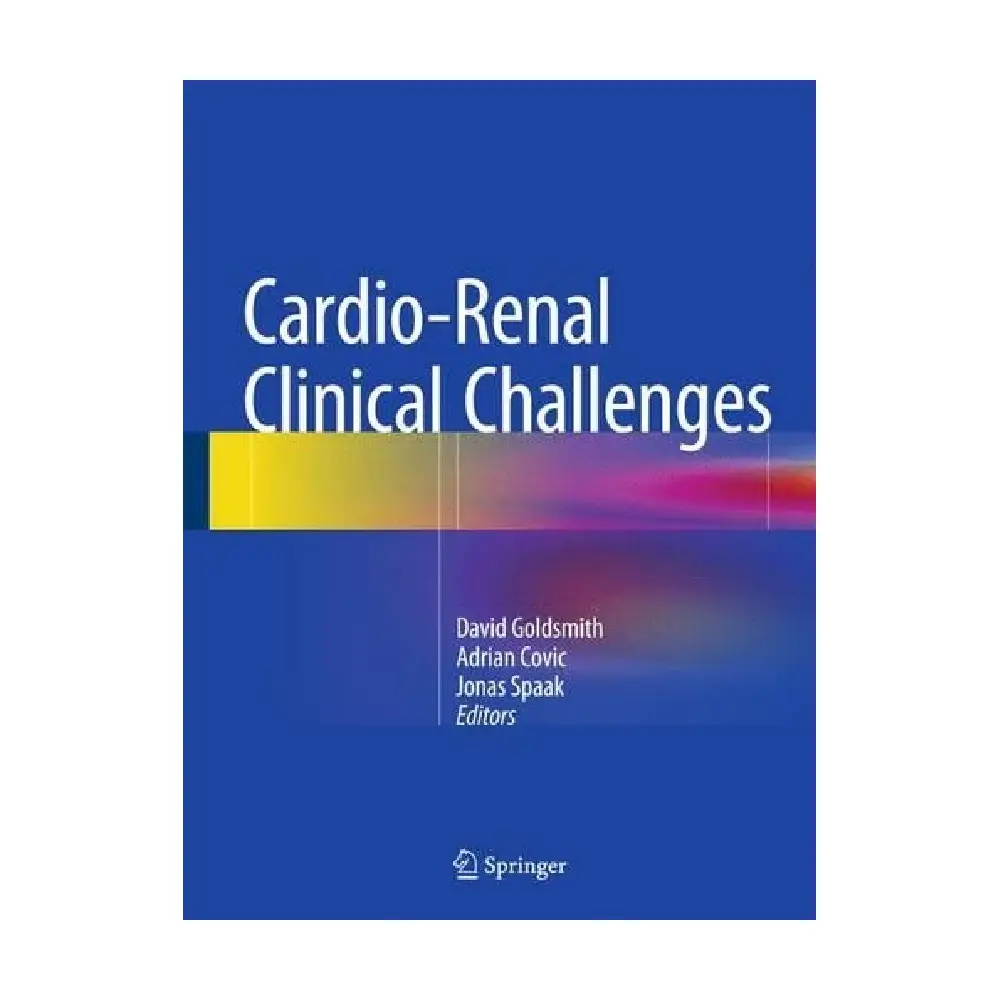


Cardio-Renal Clinical Challenges
Cardio-renal clinical challenges refer to the complex and bidirectional interactions between the heart and kidneys in health and disease. Dysfunction in one organ frequently precipitates or worsens dysfunction in the other, creating a vicious cycle that significantly increases morbidity and mortality. This intricate relationship is commonly described as the cardiorenal syndrome (CRS), a spectrum of disorders in which acute or chronic dysfunction of the heart or kidneys induces acute or chronic dysfunction in the other organ.
One of the most common clinical scenarios is heart failure complicated by worsening renal function. In acute decompensated heart failure, reduced cardiac output leads to decreased renal perfusion. At the same time, elevated central venous pressure increases renal venous congestion, further impairing kidney function. Neurohormonal activation—particularly the renin-angiotensin-aldosterone system (RAAS), sympathetic nervous system, and vasopressin release—contributes to sodium and water retention, exacerbating both cardiac and renal stress.
Clinicians frequently face the dilemma of balancing effective diuresis with preservation of renal function. Loop diuretics are essential for relieving congestion in heart failure, but aggressive diuresis can worsen renal perfusion and increase serum creatinine levels. However, a mild rise in creatinine does not always indicate structural kidney damage; it may reflect hemodynamic changes. Distinguishing between transient hemodynamic shifts and true acute kidney injury (AKI) remains a critical challenge.
Another important clinical issue is the use of RAAS inhibitors—such as ACE inhibitors, angiotensin receptor blockers (ARBs), and mineralocorticoid receptor antagonists. These drugs improve survival in heart failure and slow progression of chronic kidney disease (CKD). However, they can cause increases in serum creatinine and hyperkalemia. Clinicians must carefully monitor renal function and potassium levels, often continuing therapy despite modest creatinine rises because long-term benefits outweigh short-term changes.
Chronic kidney disease itself is a major risk factor for cardiovascular disease. Patients with CKD have accelerated atherosclerosis, vascular calcification, left ventricular hypertrophy, and higher rates of heart failure and arrhythmias. Uremic toxins, chronic inflammation, anemia, and mineral bone disorder all contribute to cardiovascular remodeling. Managing these patients requires integrated care that addresses blood pressure control, lipid management, anemia correction, and electrolyte balance.
Volume management represents another complex challenge. Fluid overload contributes to hypertension, heart failure exacerbation, and pulmonary edema. Conversely, over-restriction of fluids or aggressive ultrafiltration in dialysis patients can lead to hypotension and myocardial stunning. Achieving optimal “dry weight” in dialysis patients requires careful assessment of clinical signs, biomarkers, and sometimes imaging guidance.
Electrolyte disturbances are common in cardio-renal disorders. Hyperkalemia is particularly concerning, especially in patients receiving RAAS inhibitors or potassium-sparing diuretics. Severe hyperkalemia can precipitate life-threatening arrhythmias. Balancing cardioprotective medications with safe potassium levels often requires dietary counseling, potassium binders, or dose adjustments.
Acute kidney injury in the setting of myocardial infarction or cardiac surgery presents additional complexity. Contrast-induced nephropathy following coronary angiography remains a concern, especially in patients with pre-existing CKD. Preventive strategies include adequate hydration, minimizing contrast volume, and using low-osmolar contrast agents.
Hypertension is both a cause and consequence of renal disease and plays a central role in cardio-renal pathology. Resistant hypertension is common in CKD and often requires multidrug regimens. Target blood pressure goals must balance cardiovascular protection with avoidance of renal hypoperfusion.
Diabetes mellitus further complicates the cardio-renal interface. Diabetic nephropathy is a leading cause of CKD, and diabetic patients have high cardiovascular risk. Newer glucose-lowering therapies, particularly sodium-glucose cotransporter-2 (SGLT2) inhibitors, have demonstrated both renal and cardiovascular protective effects. These agents represent a major advance in integrated cardio-renal management.
Anemia of chronic kidney disease also contributes to cardiac stress by increasing cardiac workload and promoting left ventricular hypertrophy. Management may involve iron supplementation and erythropoiesis-stimulating agents, though careful monitoring is required to avoid adverse cardiovascular outcomes.
Multidisciplinary care is essential in addressing cardio-renal challenges. Collaboration between cardiologists, nephrologists, endocrinologists, and primary care physicians improves patient outcomes. Biomarkers such as natriuretic peptides, troponins, and novel renal injury markers may help guide management, though their interpretation in CKD patients requires caution.
In summary, cardio-renal clinical challenges arise from the intricate physiological and pathological connections between the heart and kidneys. Management requires careful balancing of fluid status, neurohormonal blockade, blood pressure control, and metabolic regulation. Advances in pharmacotherapy and a growing emphasis on integrated, patient-centered care offer promising strategies to break the cycle of organ cross-talk and improve long-term outcomes in this high-risk population.






Reviews
There are no reviews yet