
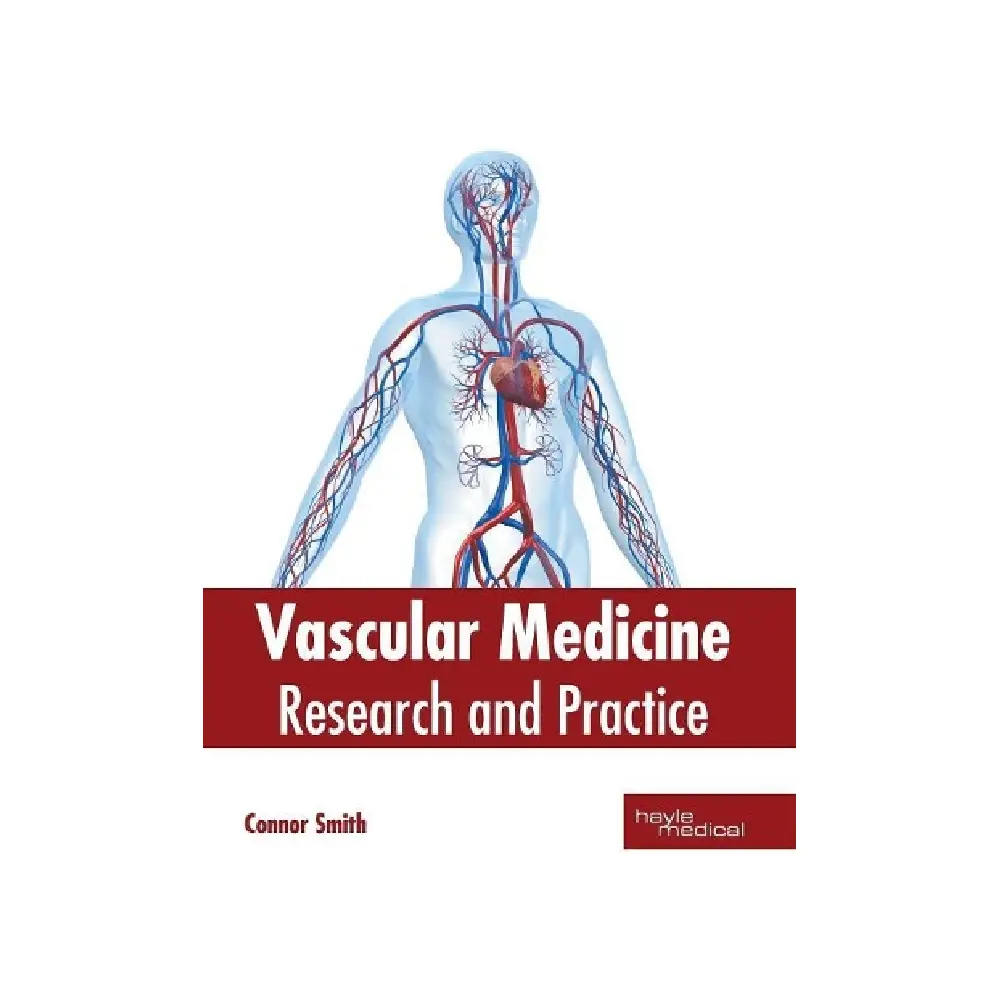
Vascular Medicine: Research and Practice
Vascular Medicine: Research and Practice is a contemporary, evidence-based reference that provides a thorough exploration of vascular disorders, their underlying mechanisms, clinical evaluation, and modern treatment strategies. Edited by experts in the field, the book addresses both arterial and venous diseases, as well as lymphatic disorders, and integrates current research with practical guidance for clinicians, researchers, and trainees in cardiovascular medicine, internal medicine, and related specialties. It is designed to bridge the gap between fundamental science and clinical application, making it a critical resource for understanding the growing field of vascular medicine.
1. Scope and Purpose
The primary aim of the book is to offer a comprehensive, evidence-based overview of vascular medicine, encompassing:
-
Etiology and pathophysiology of vascular diseases
-
Diagnostic and imaging approaches
-
Medical, interventional, and surgical management strategies
-
Integration of emerging research findings into clinical practice
It addresses the full spectrum of vascular disorders, including peripheral artery disease (PAD), aortic aneurysms, venous thromboembolism (VTE), varicose veins, chronic venous insufficiency, vasculitides, lymphatic diseases, and microvascular dysfunction. The text emphasizes a research-informed, translational approach, allowing clinicians to apply cutting-edge knowledge to patient care.
2. Key Content Areas
a. Arterial Disorders
This section explores the structure, function, and pathophysiology of arteries, focusing on:
-
Atherosclerosis and its systemic impact on coronary, cerebral, and peripheral circulation
-
Peripheral artery disease (PAD): diagnostic evaluation with ankle-brachial index (ABI), duplex ultrasound, CT angiography, and MR angiography
-
Aneurysms: including abdominal aortic aneurysms (AAA) and thoracic aortic aneurysms, with discussion on screening, surveillance, and surgical or endovascular repair
-
Vasculitis and inflammatory arterial disorders: including Takayasu arteritis, giant cell arteritis, and polyarteritis nodosa
-
Novel therapies for arterial disease, including pharmacologic interventions targeting lipid metabolism, inflammation, and thrombosis
The emphasis on evidence-based strategies ensures clinicians can risk-stratify patients, optimize medical therapy, and identify indications for intervention.
b. Venous Disorders
The book provides an in-depth review of venous pathology, covering:
-
Deep vein thrombosis (DVT) and pulmonary embolism (PE): pathogenesis, diagnostic algorithms, anticoagulation strategies, and emerging therapies such as direct oral anticoagulants (DOACs)
-
Chronic venous insufficiency (CVI): pathophysiology, clinical manifestations, imaging with duplex ultrasonography, and management, including compression therapy, minimally invasive endovenous interventions, and surgical options
-
Varicose veins and related cosmetic and functional considerations, including laser ablation and sclerotherapy
-
Post-thrombotic syndrome: prevention, diagnosis, and management
This section highlights the importance of early diagnosis and individualized therapy to reduce morbidity and long-term complications.
c. Microvascular and Lymphatic Disorders
The text emphasizes small vessel and lymphatic disease, often overlooked in conventional vascular texts:
-
Microvascular dysfunction, including diabetic microangiopathy and endothelial dysfunction
-
Lymphedema and lymphatic obstruction, including congenital and acquired forms
-
Techniques for diagnostic imaging such as lymphoscintigraphy and near-infrared fluorescence imaging
-
Therapeutic strategies including physiotherapy, compression therapy, and novel pharmacologic interventions
By integrating these topics, the book provides a holistic view of vascular disease, from large vessels to microcirculation.
d. Diagnostic Imaging and Evaluation
Accurate diagnosis is central to effective vascular care. The book reviews:
-
Non-invasive imaging: ultrasound, CT angiography, MR angiography, and PET imaging
-
Invasive angiography for therapeutic planning
-
Functional testing: including ABI, toe pressures, and transcutaneous oxygen measurements
-
Emerging biomarkers and molecular diagnostics to assess endothelial function and vascular inflammation
These tools allow clinicians to optimize intervention timing and personalize treatment.
e. Therapeutic Approaches
Treatment strategies are presented as multimodal and patient-centered, including:
-
Pharmacologic therapy: antiplatelets, anticoagulants, vasodilators, lipid-lowering therapy, and anti-inflammatory drugs
-
Endovascular interventions: angioplasty, stenting, thrombolysis, and newer minimally invasive techniques
-
Surgical options: bypass grafting, aneurysm repair, and venous reconstruction
-
Lifestyle and preventive strategies: exercise, smoking cessation, diet, and risk factor control
The text integrates current clinical guidelines to ensure evidence-based decision-making.
3. Research and Translational Perspective
A distinguishing feature of this book is its focus on translating research into clinical practice. Chapters discuss:
-
Mechanistic insights into vascular remodeling, thrombosis, and endothelial dysfunction
-
Emerging pharmacologic targets and biologics
-
Clinical trials shaping modern vascular medicine
-
Personalized medicine approaches, integrating genomics and biomarkers
This research orientation makes the book valuable for clinicians, fellows, and investigators alike.
4. Clinical Relevance
The text bridges the gap between science and patient care, helping physicians:
-
Recognize and classify vascular diseases
-
Choose appropriate diagnostic strategies
-
Implement evidence-based interventions
-
Apply new research to improve outcomes and reduce complications
By combining pathophysiology, diagnostics, therapeutics, and research insights, the book provides a comprehensive roadmap for modern vascular medicine.
Conclusion
Vascular Medicine: Research and Practice is an essential reference for anyone involved in the care of patients with vascular disease. Its integrated approach — spanning arterial, venous, lymphatic, and microvascular disorders — along with research-informed guidance, practical management strategies, and evidence-based recommendations, makes it a critical resource for clinicians, trainees, and researchers seeking a deep understanding of vascular medicine and its evolving landscape.


Reviews
There are no reviews yet