
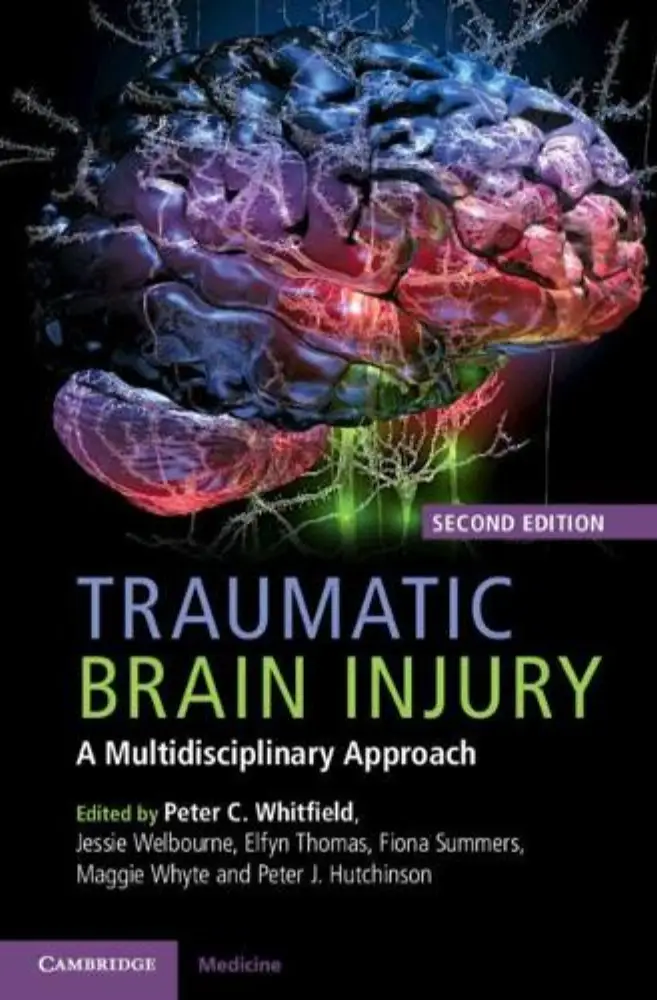


Traumatic Brain Injury, 2nd Edition: A Multidisciplinary Approach is a comprehensive and authoritative text that provides an in-depth understanding of traumatic brain injury (TBI) from multiple clinical and scientific perspectives. This updated edition reflects significant advancements in research, diagnostics, acute management, and rehabilitation, making it an essential resource for healthcare professionals, students, and researchers involved in neurotrauma care.
The book begins by establishing the global importance of TBI as a major cause of death and disability. It highlights the wide-ranging impact of brain injuries on individuals, families, and healthcare systems. By adopting a multidisciplinary framework, the text emphasizes that effective management of TBI requires collaboration among neurologists, neurosurgeons, emergency physicians, intensivists, rehabilitation specialists, neuropsychologists, nurses, and allied health professionals. This integrated approach ensures that care is continuous and patient-centered across all stages of recovery.
A key strength of the second edition lies in its detailed exploration of the pathophysiology of TBI. It explains the distinction between primary injury, which occurs at the moment of trauma, and secondary injury, which develops over time due to processes such as cerebral edema, ischemia, inflammation, and oxidative stress. Understanding these mechanisms is critical for implementing timely and targeted interventions aimed at minimizing further brain damage and improving outcomes.
The clinical sections of the book provide practical and evidence-based guidance on the assessment and management of TBI. It covers pre-hospital care, including initial stabilization and transport, as well as emergency department evaluation using standardized tools like the Glasgow Coma Scale. Advanced imaging techniques, such as CT and MRI, are discussed in detail, along with their roles in diagnosis and monitoring. The text also outlines surgical and non-surgical treatment options, including intracranial pressure management, decompressive craniectomy, and pharmacological therapies.
Intensive care management is another major focus of the book. It addresses the complexities of monitoring critically ill patients, including ventilation strategies, hemodynamic support, and prevention of complications such as infections, seizures, and metabolic disturbances. The importance of adhering to clinical guidelines and protocols is emphasized to ensure consistency and quality of care.
Rehabilitation is presented as a crucial component of TBI management. The book describes a range of therapeutic interventions designed to restore physical, cognitive, and emotional function. These include physiotherapy, occupational therapy, speech and language therapy, and cognitive rehabilitation. The authors stress the need for individualized rehabilitation plans that consider the severity of injury, patient goals, and social context. Early initiation of rehabilitation is highlighted as a key factor in improving long-term outcomes.
The psychological and behavioral consequences of TBI are also thoroughly examined. Patients may experience a range of issues, including memory impairment, reduced attention, mood disorders, and personality changes. The text discusses assessment tools and therapeutic approaches used by neuropsychologists and mental health professionals to address these challenges. It also recognizes the importance of family involvement and caregiver support in the recovery process.
Special populations, such as children and older adults, receive dedicated attention in this edition. Pediatric TBI is discussed in terms of its impact on brain development, learning, and behavior, while geriatric TBI is examined with respect to comorbidities, increased vulnerability, and recovery challenges. The book also explores emerging topics such as sports-related concussions, military injuries, and advances in neurotechnology and telemedicine.
Throughout the text, case studies and real-world examples are used to bridge theory and practice, enhancing clinical understanding. Visual aids, summary tables, and key learning points further support comprehension and retention.
In summary, Traumatic Brain Injury, 2nd Edition: A Multidisciplinary Approach offers a thorough and up-to-date overview of TBI, combining scientific insight with practical guidance. Its emphasis on teamwork, evidence-based care, and holistic rehabilitation makes it an indispensable reference in the evolving field of brain injury management.



Reviews
There are no reviews yet