
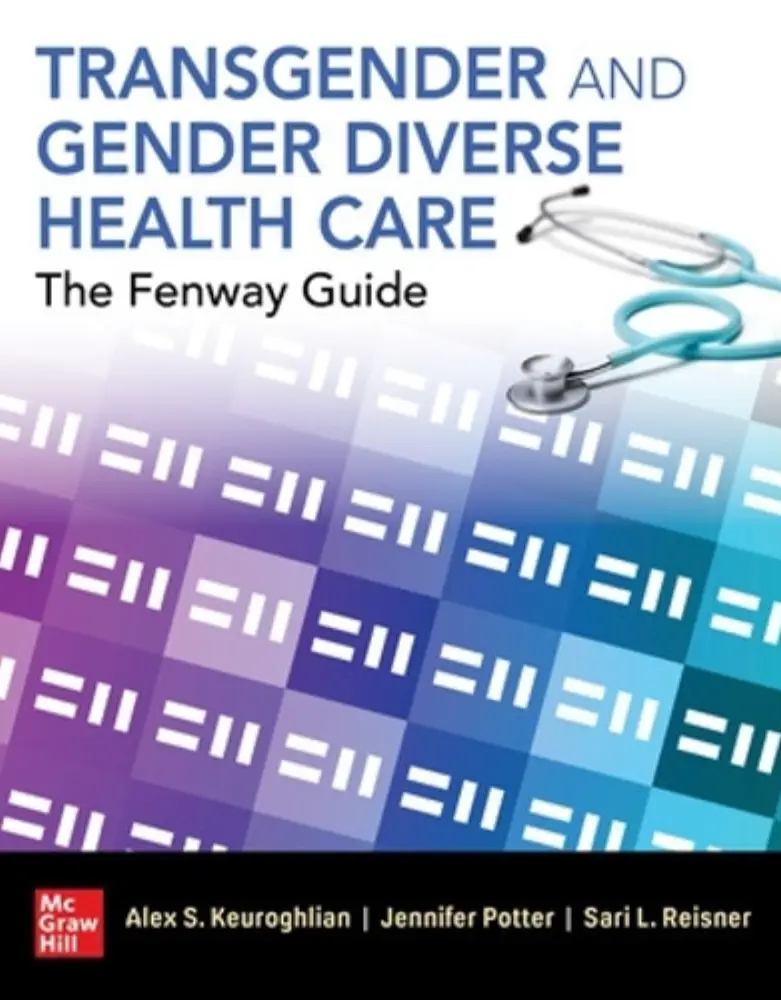


Transgender and Gender Diverse Health Care: The Fenway Guide
Transgender and Gender Diverse Health Care: The Fenway Guide is a comprehensive, case-based medical textbook that addresses the unique and evolving healthcare needs of transgender and gender diverse (TGD) individuals. Designed primarily for clinicians, it provides practical, evidence-based guidance to deliver culturally competent, inclusive, and patient-centered care. Published by McGraw Hill in 2021, the book reflects a growing recognition of health disparities faced by TGD populations and the urgent need for informed, affirming medical practice.
The book begins by establishing foundational concepts, including terminology, gender identity development, and the social and historical context of transgender healthcare. It emphasizes that gender diversity is a natural aspect of human variation rather than a pathology. By tracing the evolution of clinical perspectives, the text highlights the shift from stigmatizing frameworks to affirming models of care. This foundation is essential for clinicians to understand the lived experiences of TGD individuals and to avoid biases that can negatively impact healthcare delivery.
A central theme of the guide is the health equity model. The authors stress that transgender and gender diverse populations often face significant barriers to accessing healthcare, including discrimination, stigma, and lack of provider knowledge. These barriers contribute to disparities in mental health, chronic disease management, and preventive care. The book advocates for trauma-informed and gender-affirming approaches that prioritize respect, inclusivity, and patient autonomy, helping clinicians build trust and improve outcomes.
The text provides detailed coverage of gender-affirming care, including hormonal and surgical interventions. Hormone therapy is discussed with attention to indications, protocols, monitoring, and potential risks. Surgical options such as chest reconstruction, genital surgeries, and other procedures are explained within a broader framework of individualized care. Importantly, the guide emphasizes that not all TGD individuals seek medical or surgical transition, and care should always align with the patient’s goals and preferences.
Primary and preventive healthcare form another major component of the book. It outlines routine screening recommendations tailored to anatomy and risk factors rather than gender identity alone. For example, cancer screening, sexual health, and reproductive care are addressed in ways that account for diverse bodies and experiences. The book also covers infectious diseases such as HIV and sexually transmitted infections, highlighting the importance of inclusive prevention strategies and regular testing.
Behavioral health is given significant attention, recognizing the high prevalence of mental health challenges among TGD individuals due to minority stress, discrimination, and social exclusion. The guide explores conditions such as depression, anxiety, substance use disorders, and suicidality, while emphasizing resilience and the importance of supportive environments. It strongly discourages harmful practices such as gender identity change efforts and instead promotes affirming psychological care that respects identity and promotes well-being.
Reproductive health and family planning are also addressed in depth. The book discusses fertility preservation, pregnancy options, and the impact of gender-affirming treatments on reproductive potential. It highlights the need for sensitive communication and individualized counseling, ensuring that patients can make informed decisions about their reproductive futures. Legal and ethical considerations, including access to care and patient rights, are also incorporated into these discussions.
Another important aspect of the guide is its focus on diverse populations within the transgender community. It examines the healthcare needs of specific groups, including youth, older adults, and individuals with intersecting identities such as race, socioeconomic status, and disability. This approach underscores the importance of personalized care and the recognition of multiple layers of marginalization.
In summary, Transgender and Gender Diverse Health Care: The Fenway Guide is an authoritative and practical resource that equips healthcare professionals with the knowledge and skills needed to provide high-quality, affirming care. Its emphasis on clinical competence, cultural sensitivity, and health equity makes it an essential text in modern medical education and practice.








Reviews
There are no reviews yet