
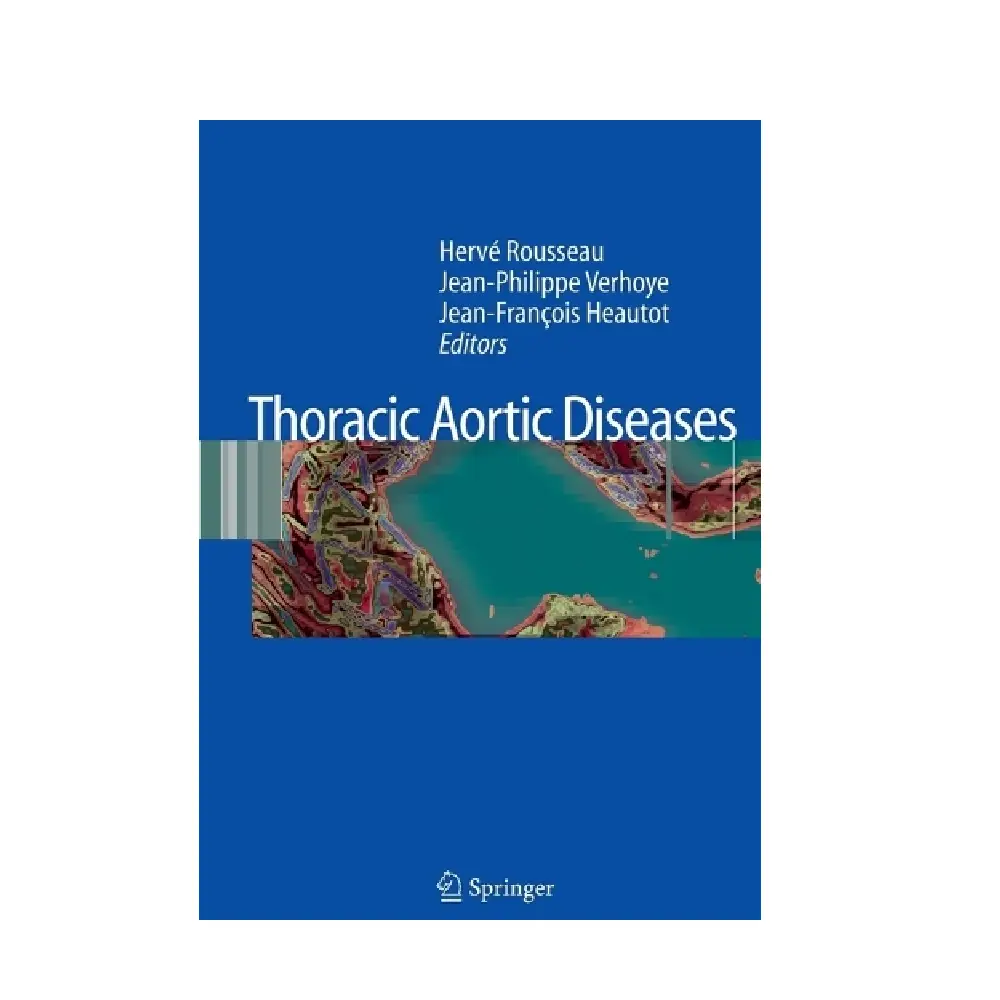

Thoracic aortic aneurysm and Related Thoracic Aortic Diseases
Thoracic aortic diseases encompass a spectrum of life-threatening conditions affecting the portion of the aorta that runs through the chest. The thoracic aorta includes the ascending aorta, aortic arch, and descending thoracic aorta. Disorders in this region are particularly dangerous because the aorta is the body’s main arterial conduit, delivering oxygenated blood from the heart to the systemic circulation. Structural weakness, degeneration, inflammation, or trauma can compromise the integrity of the aortic wall, leading to catastrophic complications if not promptly diagnosed and managed.
One of the most common thoracic aortic conditions is thoracic aortic aneurysm (TAA). A thoracic aortic aneurysm is defined as an abnormal dilation of the aorta, typically exceeding 1.5 times its normal diameter. Aneurysms may involve the ascending aorta, the arch, or the descending thoracic aorta. Risk factors include hypertension, advanced age, smoking, and genetic connective tissue disorders such as Marfan syndrome and Ehlers-Danlos syndrome. Many TAAs are asymptomatic and discovered incidentally on imaging studies. However, progressive enlargement increases the risk of rupture or dissection, both of which carry high mortality.
Another critical condition is aortic dissection, a medical emergency characterized by a tear in the intimal layer of the aortic wall. Blood enters the media layer, creating a false lumen and separating the layers of the aortic wall. Dissections are classified according to the Stanford system into Type A (involving the ascending aorta) and Type B (limited to the descending aorta). Type A dissections require urgent surgical intervention, whereas Type B cases may be managed medically or with endovascular procedures depending on complications. Patients typically present with sudden, severe chest or back pain described as “tearing” or “ripping.”
Intramural hematoma and penetrating atherosclerotic ulcer are additional forms of acute aortic syndrome. Intramural hematoma involves bleeding within the aortic wall without an identifiable intimal tear, while penetrating ulcers result from atherosclerotic plaque erosion penetrating the internal elastic lamina. Both conditions can progress to classic dissection or rupture if untreated.
Thoracic aortic diseases may also result from inflammatory conditions such as Takayasu arteritis and Giant cell arteritis. These vasculitides cause chronic inflammation, leading to vessel wall thickening, stenosis, aneurysm formation, or occlusion. Infectious causes (mycotic aneurysms), trauma (especially deceleration injuries from motor vehicle accidents), and congenital abnormalities such as bicuspid aortic valve are other contributing factors.
Clinical presentation varies depending on the specific condition and its severity. While aneurysms may remain silent, expanding aneurysms can produce symptoms due to compression of adjacent structures. Patients may experience chest pain, back pain, hoarseness from recurrent laryngeal nerve compression, dysphagia, or dyspnea. Acute aortic syndromes often present dramatically with severe pain, hypotension, syncope, or signs of organ ischemia.
Diagnosis relies heavily on imaging modalities. Chest X-ray may show mediastinal widening but lacks specificity. Echocardiography, particularly transesophageal echocardiography (TEE), is valuable for assessing proximal aortic pathology. Computed tomography angiography (CTA) is the gold standard for rapid diagnosis, providing detailed visualization of aortic anatomy. Magnetic resonance angiography (MRA) offers excellent imaging without radiation exposure and is useful for follow-up evaluation.
Management strategies depend on the type and severity of the disease. Strict blood pressure control with beta-blockers and other antihypertensives is fundamental in reducing aortic wall stress. Surgical repair is recommended for symptomatic aneurysms or those exceeding size thresholds (typically 5.5 cm in the ascending aorta, though lower thresholds apply in genetic conditions). Endovascular techniques, such as thoracic endovascular aortic repair (TEVAR), have become increasingly common for descending aortic pathologies, offering less invasive alternatives to open surgery.
Long-term follow-up is essential, as thoracic aortic diseases often progress over time. Regular imaging surveillance allows early detection of enlargement or complications. Genetic counseling and screening of family members may be indicated in inherited conditions.
In summary, thoracic aortic diseases represent a group of serious cardiovascular disorders with potentially fatal outcomes. Early recognition, appropriate imaging, aggressive risk factor control, and timely surgical or endovascular intervention are critical to improving survival and preventing catastrophic complications.






Reviews
There are no reviews yet