
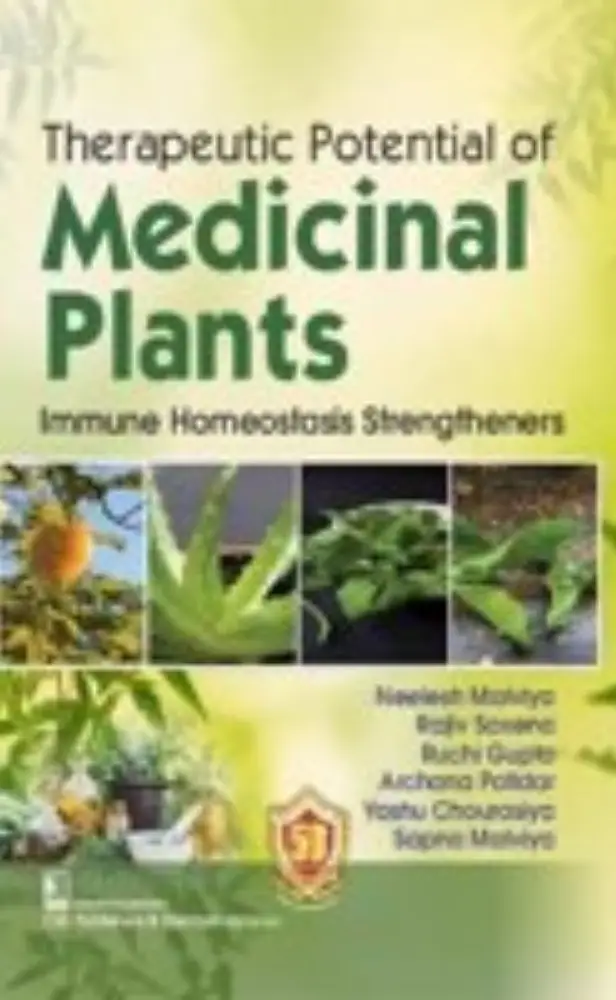


Therapeutic Potential of Medicinal Plants: Immune Homeostasis Strengtheners
Therapeutic Potential of Medicinal Plants: Immune Homeostasis Strengtheners is a specialized scientific text that explores the role of medicinal plants in maintaining and restoring immune balance. The book focuses on the concept of immune homeostasis—the body’s ability to regulate immune responses effectively, ensuring protection against pathogens while preventing excessive inflammation and autoimmune reactions. By integrating traditional knowledge with modern biomedical research, the text highlights the growing importance of plant-based therapies in preventive and therapeutic medicine.
The book begins by outlining the fundamentals of the immune system, including innate and adaptive immunity, and the mechanisms that maintain equilibrium within the immune network. It explains how disruptions in immune homeostasis can lead to a variety of diseases, such as infections, chronic inflammatory disorders, allergies, and autoimmune conditions. The authors emphasize that maintaining a balanced immune response is more beneficial than merely stimulating or suppressing immunity, a concept that underpins the therapeutic use of medicinal plants.
A central theme of the text is the pharmacological potential of bioactive compounds derived from plants. These include alkaloids, flavonoids, terpenoids, glycosides, and polyphenols, many of which possess immunomodulatory properties. The book details how these compounds interact with immune cells, cytokines, and signaling pathways to either enhance or regulate immune responses. Scientific evidence from in vitro studies, animal models, and clinical trials is presented to support the efficacy of these natural agents.
The book provides extensive coverage of well-known medicinal plants with immune-modulating effects. Examples include Withania somnifera (Ashwagandha), Tinospora cordifolia (Guduchi), Ocimum sanctum (Tulsi), and Curcuma longa (Turmeric). Each plant is discussed in terms of its traditional uses, active constituents, mechanisms of action, and therapeutic applications. The integration of Ayurvedic and traditional medicinal systems with contemporary research highlights the relevance of these plants in modern healthcare.
Another important aspect of the book is its focus on disease-specific applications. It examines how medicinal plants can be used to manage conditions such as viral infections, metabolic disorders, cancer, and immune-mediated diseases. The role of plant-based immunomodulators in enhancing resistance to infections and improving recovery is particularly emphasized. In the context of emerging infectious diseases, the book underscores the potential of natural products as complementary therapies.
The text also addresses the safety, standardization, and quality control of herbal medicines. It highlights challenges such as variability in plant composition, potential toxicity, and interactions with conventional drugs. The authors stress the need for rigorous scientific validation, standardized extraction methods, and regulatory oversight to ensure the safe and effective use of medicinal plant products.
In addition to therapeutic applications, the book explores the preventive potential of medicinal plants. It discusses the use of herbal supplements and functional foods in maintaining immune health and reducing the risk of disease. Lifestyle factors, including diet, stress, and environmental exposures, are also considered in relation to immune function, reinforcing the holistic approach to health promoted by traditional medicine systems.
The book is structured to cater to a diverse audience, including researchers, clinicians, pharmacologists, and students in the fields of medicine, pharmacy, and life sciences. It includes detailed references, tables, and illustrations that facilitate understanding and further study. The interdisciplinary approach bridges the gap between traditional knowledge and modern scientific inquiry.
In conclusion, Therapeutic Potential of Medicinal Plants: Immune Homeostasis Strengtheners provides a comprehensive and evidence-based exploration of the role of medicinal plants in immune regulation. By emphasizing the importance of balance in immune function and showcasing the therapeutic value of natural compounds, the book contributes to the advancement of integrative medicine. It serves as a valuable resource for those interested in harnessing the potential of plant-based therapies to support health and combat disease.








Reviews
There are no reviews yet