
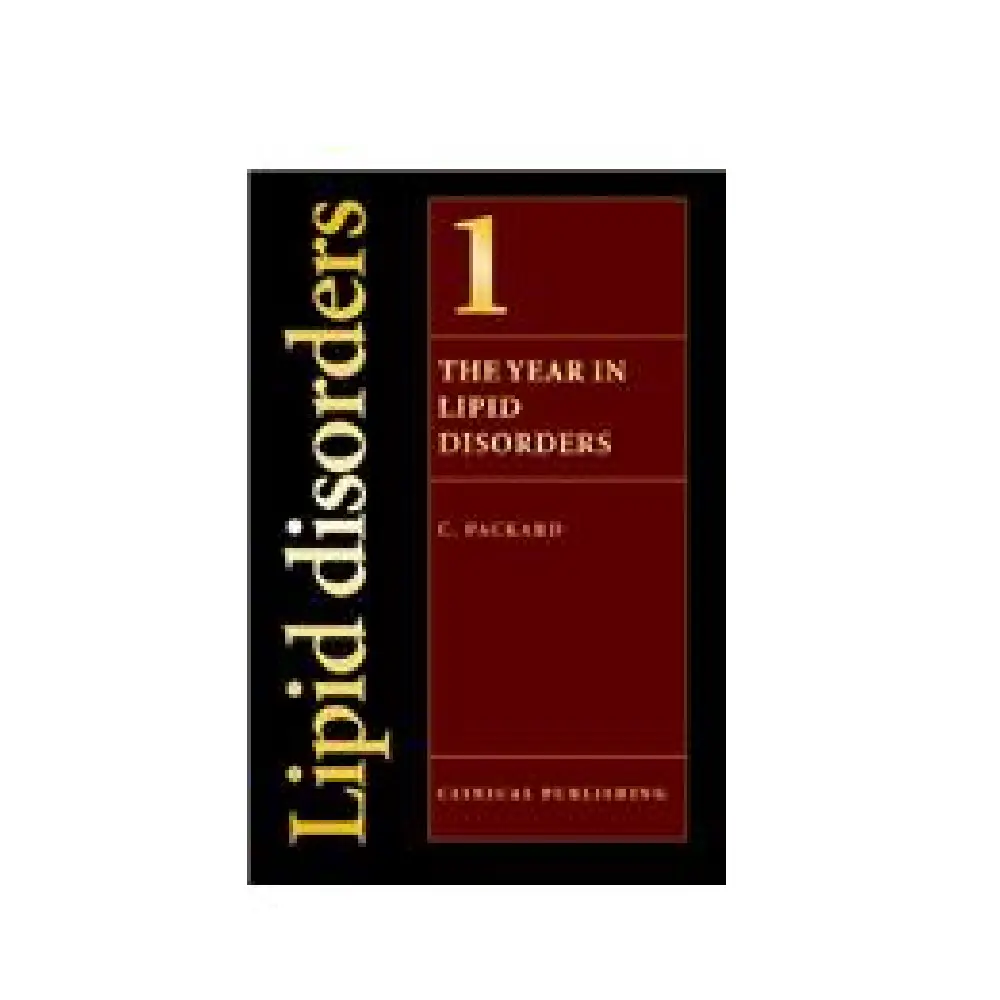
The Year in Lipid Disorders Volume 1
The Year in Lipid Disorders (Volume 1) is a scholarly medical reference designed to provide clinicians and researchers with a comprehensive annual review of key advances in lipidology. Edited by Christopher J. Packard and published by Clinical Publishing in 2007, this volume serves as a detailed synthesis of contemporary research, clinical guidelines, and therapeutic developments in the management of lipid disorders, particularly those contributing to cardiovascular disease.
The book focuses primarily on disorders of lipid metabolism, including hypercholesterolemia, hypertriglyceridemia, mixed dyslipidemia, and inherited lipid abnormalities. At its core, the text emphasizes the central role of lipids—especially low-density lipoprotein cholesterol (LDL-C)—in the development of atherosclerosis and subsequent cardiovascular events such as myocardial infarction and stroke. The contributors analyze the growing body of evidence linking lipid abnormalities with systemic vascular inflammation and plaque formation.
One of the major strengths of this volume is its structured review of emerging scientific evidence from major clinical trials. The book evaluates landmark statin trials that shaped modern preventive cardiology, highlighting their impact on cardiovascular morbidity and mortality reduction. It explores how aggressive LDL-C lowering strategies have altered treatment targets and emphasizes the “lower is better” principle in high-risk populations. The discussions extend beyond statins to consider combination therapies, including ezetimibe and fibrates, particularly in patients with mixed lipid disorders or metabolic syndrome.
Another important theme in the book is residual cardiovascular risk. Even in patients who achieve recommended LDL-C levels, cardiovascular events may still occur. The volume examines potential contributors to this residual risk, including elevated triglycerides, low high-density lipoprotein cholesterol (HDL-C), insulin resistance, and inflammatory pathways. By addressing these components, the text encourages a broader approach to lipid management that integrates metabolic and inflammatory factors.
Genetic lipid disorders also receive detailed attention. Familial hypercholesterolemia (FH), familial combined hyperlipidemia, and other inherited conditions are discussed in terms of pathophysiology, diagnosis, and therapeutic challenges. The book underscores the importance of early detection and cascade screening in families, recognizing that untreated genetic lipid disorders significantly increase premature cardiovascular risk.
A substantial portion of the volume is devoted to clinical application. It reviews risk assessment tools used in primary and secondary prevention and discusses evolving guideline recommendations. The importance of individualized risk stratification is emphasized, particularly in patients with diabetes, chronic kidney disease, or established cardiovascular disease. The contributors explore how lipid targets may differ depending on overall risk profiles.
Lifestyle intervention remains a cornerstone throughout the text. The volume reinforces the significance of dietary modification, weight management, regular physical activity, and smoking cessation in managing dyslipidemia. It reviews evidence supporting dietary patterns low in saturated fats and trans fats while rich in unsaturated fats, fiber, and plant sterols. The interplay between obesity, metabolic syndrome, and lipid abnormalities is carefully analyzed, highlighting the need for integrated management strategies.
Inflammation and its relationship to lipid metabolism form another emerging theme. The book examines biomarkers such as C-reactive protein (CRP) and discusses how inflammatory processes interact with lipid accumulation in arterial walls. This integrated perspective reflects a shift from viewing dyslipidemia purely as a cholesterol disorder to understanding it as part of a broader vascular and metabolic pathology.
In addition to therapeutic advances, the volume addresses practical issues such as medication adherence, statin intolerance, safety monitoring, and liver function testing. The contributors provide balanced discussions on the benefits and potential adverse effects of lipid-lowering agents, helping clinicians make informed decisions in routine practice.
Overall, The Year in Lipid Disorders (Volume 1) functions as both a reference and an educational resource. It bridges research and clinical application by synthesizing data from major studies and translating them into practical guidance. The writing style is scholarly yet clinically oriented, making it valuable for cardiologists, endocrinologists, internists, and researchers specializing in lipid metabolism.
By compiling and analyzing the most important developments of its time, this volume captures a pivotal period in lipid research—one that solidified the role of LDL-C reduction as a central strategy in cardiovascular prevention while expanding awareness of genetic, metabolic, and inflammatory contributors to vascular disease. As such, it remains a meaningful resource for understanding the foundations of modern lipid management.




Reviews
There are no reviews yet