
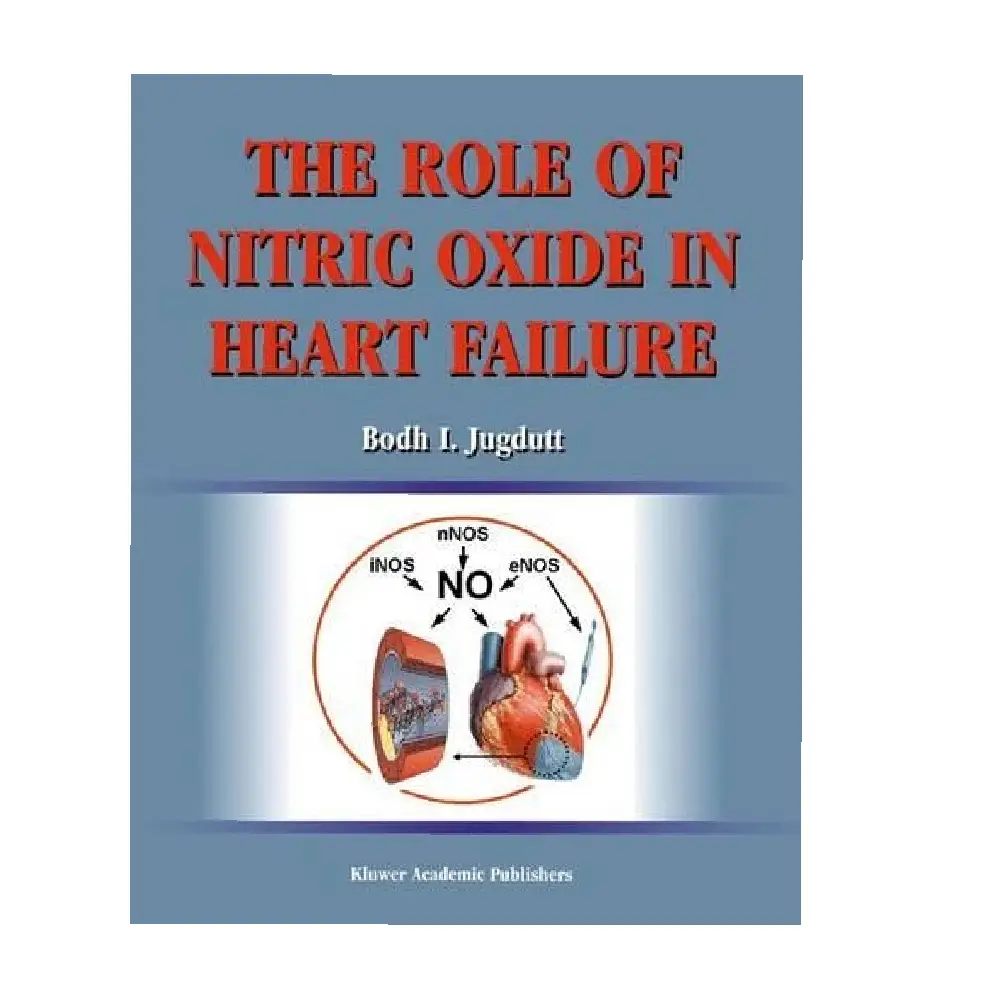


The Role of Nitric Oxide in Heart Failure
Nitric oxide (NO) is a small, gaseous signaling molecule that plays a fundamental role in cardiovascular physiology. Since its identification as endothelium-derived relaxing factor in the late 20th century, nitric oxide has been recognized as a critical regulator of vascular tone, myocardial function, platelet aggregation, and inflammatory responses. In heart failure (HF), a complex clinical syndrome characterized by impaired cardiac output and elevated intracardiac pressures, the nitric oxide pathway becomes significantly altered. Understanding the role of nitric oxide in heart failure provides insight into disease mechanisms and therapeutic strategies.
Physiology of Nitric Oxide in the Cardiovascular System
Nitric oxide is synthesized from L-arginine by nitric oxide synthase (NOS), of which there are three major isoforms:
-
Endothelial NOS (eNOS) – primarily found in vascular endothelial cells
-
Neuronal NOS (nNOS) – present in cardiac and neural tissue
-
Inducible NOS (iNOS) – expressed during inflammation
Under normal conditions, eNOS-derived nitric oxide plays a protective role in the cardiovascular system. It diffuses into vascular smooth muscle cells and activates soluble guanylate cyclase, increasing cyclic guanosine monophosphate (cGMP). This signaling pathway results in vasodilation, reduced vascular resistance, and improved blood flow. Additionally, nitric oxide inhibits platelet aggregation, leukocyte adhesion, and smooth muscle proliferation, contributing to vascular homeostasis.
Within the myocardium, nitric oxide modulates myocardial contractility, relaxation, and oxygen consumption. At physiological levels, it fine-tunes cardiac performance and protects against excessive sympathetic stimulation.
Nitric Oxide and Pathophysiology of Heart Failure
Heart failure is broadly classified into heart failure with reduced ejection fraction (HFrEF) and heart failure with preserved ejection fraction (HFpEF). In both forms, nitric oxide signaling is disrupted, but the mechanisms differ.
Endothelial Dysfunction
One of the hallmarks of heart failure is endothelial dysfunction. Reduced eNOS activity and decreased nitric oxide bioavailability contribute to impaired vasodilation. Several mechanisms are involved:
-
Oxidative stress increases reactive oxygen species (ROS), which inactivate nitric oxide.
-
Reduced L-arginine availability impairs NO production.
-
eNOS uncoupling leads to superoxide generation instead of nitric oxide synthesis.
The result is increased vascular resistance, elevated afterload, and worsening cardiac workload.
Excess Inducible NOS Activity
In advanced heart failure, inflammatory cytokines such as tumor necrosis factor-alpha (TNF-α) and interleukins stimulate inducible NOS (iNOS). Unlike eNOS, iNOS produces large amounts of nitric oxide over prolonged periods. Excessive NO may react with superoxide to form peroxynitrite, a highly reactive molecule that causes oxidative damage to myocardial cells.
This excessive nitric oxide production contributes to:
-
Myocardial depression
-
Impaired contractility
-
Cellular apoptosis
-
Mitochondrial dysfunction
Thus, while physiological NO is protective, pathological overproduction can be harmful.
Nitric Oxide in Heart Failure with Reduced Ejection Fraction (HFrEF)
In HFrEF, reduced cardiac output activates compensatory neurohormonal systems, including the renin-angiotensin-aldosterone system (RAAS) and sympathetic nervous system. These systems increase vasoconstriction and fluid retention.
Decreased nitric oxide availability exacerbates vasoconstriction and increases afterload. Therapeutic strategies that enhance NO signaling can reduce vascular resistance and improve symptoms.
Drugs such as nitrates act as nitric oxide donors, producing vasodilation and reducing preload and afterload. Additionally, hydralazine combined with nitrates improves survival in selected patients, particularly those intolerant to ACE inhibitors or ARBs.
Nitric Oxide in Heart Failure with Preserved Ejection Fraction (HFpEF)
HFpEF is strongly associated with endothelial dysfunction, systemic inflammation, obesity, diabetes, and hypertension. Impaired nitric oxide–cGMP signaling is central to its pathophysiology.
Reduced NO bioavailability leads to:
-
Increased myocardial stiffness
-
Impaired diastolic relaxation
-
Microvascular dysfunction
The cGMP-protein kinase G (PKG) pathway is critical in maintaining myocardial compliance. When nitric oxide signaling is impaired, reduced PKG activity promotes hypertrophy and fibrosis, contributing to diastolic dysfunction.
Pharmacological agents targeting the NO–cGMP pathway, such as phosphodiesterase-5 (PDE-5) inhibitors and soluble guanylate cyclase stimulators, have been investigated, though results have been mixed.
Therapeutic Implications
Modulating the nitric oxide pathway remains an important therapeutic strategy in heart failure. Current and emerging approaches include:
-
Organic nitrates for symptomatic relief
-
Hydralazine–nitrate combination therapy
-
ACE inhibitors and ARBs, which indirectly improve endothelial function
-
ARNI (angiotensin receptor–neprilysin inhibitors), enhancing natriuretic peptides and cGMP signaling
-
Soluble guanylate cyclase stimulators such as vericiguat
Vericiguat has shown benefit in reducing cardiovascular events in patients with worsening HFrEF by directly stimulating cGMP production.
Conclusion
Nitric oxide plays a dual and complex role in heart failure. Under physiological conditions, it maintains vascular tone, myocardial performance, and endothelial integrity. However, in heart failure, decreased nitric oxide bioavailability and excessive inducible nitric oxide production contribute to vascular dysfunction, myocardial injury, and disease progression. Targeting the nitric oxide–cGMP pathway has become a cornerstone in heart failure therapy, particularly in HFrEF, and continues to be an area of active research. A deeper understanding of nitric oxide signaling may lead to more precise and effective treatments for both reduced and preserved ejection fraction heart failure in the future.





Reviews
There are no reviews yet