
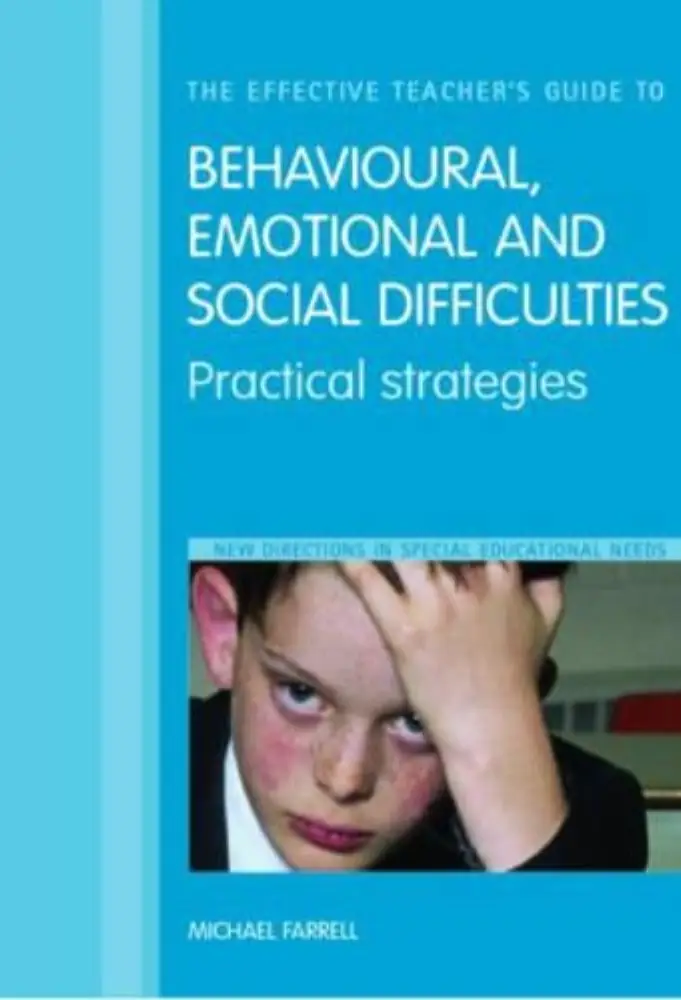


The Effective Teacher’s Guide to Behavioural and Emotional Disorders
The Effective Teacher’s Guide to Behavioural and Emotional Disorders: Disruptive Behaviour Disorders, Anxiety Disorders, Depressive Disorders, and Attention Deficit Hyperactivity Disorder is a practical and insightful resource designed to help educators understand and manage students with behavioral and emotional challenges in classroom settings. As part of The Effective Teacher’s Guides series, this book provides evidence-based strategies, clear explanations, and real-world applications tailored specifically for teachers.
The book begins by introducing the concept of behavioral and emotional disorders (BED), emphasizing their impact on students’ academic performance, social relationships, and overall well-being. It highlights the importance of early identification and intervention, as well as the role teachers play in recognizing symptoms and creating supportive learning environments. The authors stress that these disorders are not simply discipline problems but are rooted in psychological and neurological factors requiring informed and compassionate approaches.
A major section of the book focuses on disruptive behavior disorders, including conditions such as Oppositional Defiant Disorder and Conduct Disorder. These disorders are characterized by persistent patterns of defiant, aggressive, or rule-breaking behavior. The guide helps teachers identify warning signs such as frequent temper outbursts, hostility toward authority, and violation of social norms. Practical classroom strategies include establishing clear rules, consistent consequences, positive reinforcement, and structured routines to promote appropriate behavior.
The book also provides a detailed overview of anxiety disorders, which are among the most common mental health issues in school-aged children. Conditions such as generalized anxiety, social anxiety, and separation anxiety can significantly interfere with a student’s ability to participate in classroom activities. The guide explains symptoms like excessive worry, avoidance behavior, and physical complaints. Teachers are encouraged to create a safe and predictable classroom environment, use gradual exposure techniques, and provide reassurance without reinforcing avoidance behaviors.
Another important focus is on depressive disorders, particularly Major Depressive Disorder in children and adolescents. The book outlines symptoms such as persistent sadness, loss of interest in activities, fatigue, and difficulty concentrating. It emphasizes that depression in students may sometimes present as irritability or withdrawal rather than overt sadness. Teachers are guided on how to respond sensitively, encourage engagement, and collaborate with parents and mental health professionals to support affected students.
The section on Attention Deficit Hyperactivity Disorder (ADHD) is particularly comprehensive. ADHD is characterized by inattention, hyperactivity, and impulsivity, which can disrupt both learning and classroom management. The book provides practical strategies such as breaking tasks into smaller steps, using visual aids, providing frequent feedback, and allowing movement breaks. It also highlights the importance of individualized instruction and behavior management plans.
A key strength of the guide is its emphasis on evidence-based classroom interventions. Techniques such as positive behavior support (PBS), cognitive-behavioral strategies, and social skills training are explained in an accessible manner. The book also includes checklists, case examples, and step-by-step approaches that teachers can readily apply in their classrooms.
Collaboration is another central theme. The authors stress the importance of working with parents, school counselors, psychologists, and special education professionals. Effective communication and teamwork ensure that students receive consistent support across different environments, enhancing the effectiveness of interventions.
The book also addresses the emotional well-being of teachers, acknowledging the challenges of managing students with behavioral and emotional disorders. It encourages self-care, professional development, and seeking support when needed, recognizing that teacher well-being is essential for maintaining a positive classroom atmosphere.
In conclusion, The Effective Teacher’s Guide to Behavioural and Emotional Disorders is a valuable resource for educators seeking to understand and support students with complex needs. By combining theoretical knowledge with practical strategies, it empowers teachers to create inclusive, supportive, and effective learning environments where all students can thrive academically and emotionally.








Reviews
There are no reviews yet