
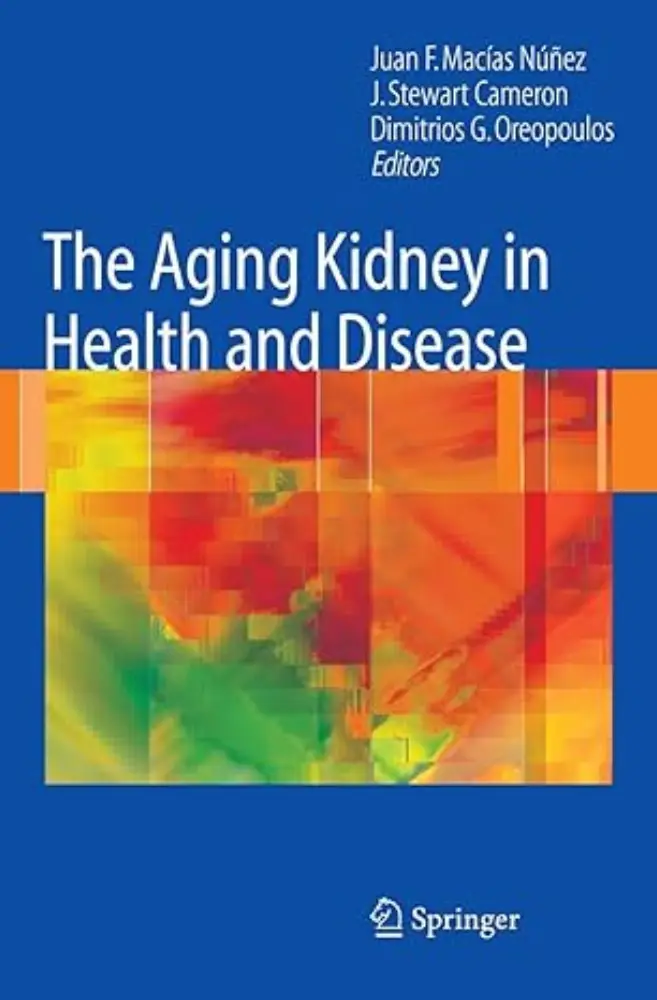


The Aging Kidney in Health and Disease
The aging kidney undergoes a variety of structural and functional changes that influence overall health and increase susceptibility to disease. As life expectancy continues to rise globally, understanding the effects of aging on renal function has become increasingly important in clinical practice. The kidneys play a vital role in maintaining homeostasis by regulating fluid balance, electrolytes, blood pressure, and waste excretion. With advancing age, these functions gradually decline, affecting the body’s ability to respond to physiological stress.
One of the most notable structural changes in the aging kidney is a reduction in renal mass. This decline is primarily due to the loss of nephrons, the functional units of the kidney. Studies suggest that the number of nephrons decreases significantly with age, leading to compensatory hypertrophy of the remaining nephrons. Additionally, there is an increase in glomerulosclerosis, a condition characterized by scarring of the glomeruli, which impairs filtration capacity.
Functionally, the aging kidney exhibits a gradual decline in glomerular filtration rate (GFR). On average, GFR decreases by about 1 mL/min per year after the age of 40. This reduction affects the kidney’s ability to filter waste products from the blood efficiently. As a result, older adults may have higher baseline levels of serum creatinine, although this can sometimes be masked by reduced muscle mass. The decreased GFR also impacts drug metabolism and excretion, increasing the risk of drug toxicity in elderly patients.
Another important aspect of renal aging is the diminished ability to concentrate and dilute urine. This is due to changes in tubular function, including reduced responsiveness to antidiuretic hormone (ADH). Consequently, older individuals are more prone to dehydration and electrolyte imbalances, especially during illness or periods of inadequate fluid intake. Sodium and potassium regulation may also be impaired, leading to an increased risk of conditions such as hyponatremia or hyperkalemia.
The aging kidney also shows alterations in renal blood flow. There is a decline in renal perfusion due to vascular changes, including arterial stiffening and atherosclerosis. These changes reduce the kidney’s ability to respond to fluctuations in blood pressure, making older adults more vulnerable to acute kidney injury (AKI) during episodes of hypotension or volume depletion.
In addition to normal aging changes, older individuals are at a higher risk of developing kidney-related diseases. Chronic kidney disease (CKD) is particularly prevalent in the elderly and is often associated with comorbid conditions such as hypertension and diabetes mellitus. These conditions accelerate the decline in renal function and contribute to complications such as cardiovascular disease, anemia, and bone disorders.
The immune response of the aging kidney is also altered, making it more susceptible to infections such as urinary tract infections (UTIs). Furthermore, the regenerative capacity of renal tissue declines with age, limiting the kidney’s ability to recover from injury. This can lead to prolonged or permanent impairment following acute insults.
Despite these challenges, many age-related changes in kidney function are manageable with appropriate medical care. Regular monitoring of renal function, careful medication management, and lifestyle modifications such as maintaining hydration and controlling blood pressure can help preserve kidney health.
In conclusion, the aging kidney undergoes complex structural and functional changes that impact overall health and increase the risk of disease. Understanding these changes is essential for effective clinical management and improving the quality of life in older adults. As the global population continues to age, greater emphasis on renal health will play a key role in promoting healthy aging.





Reviews
There are no reviews yet