
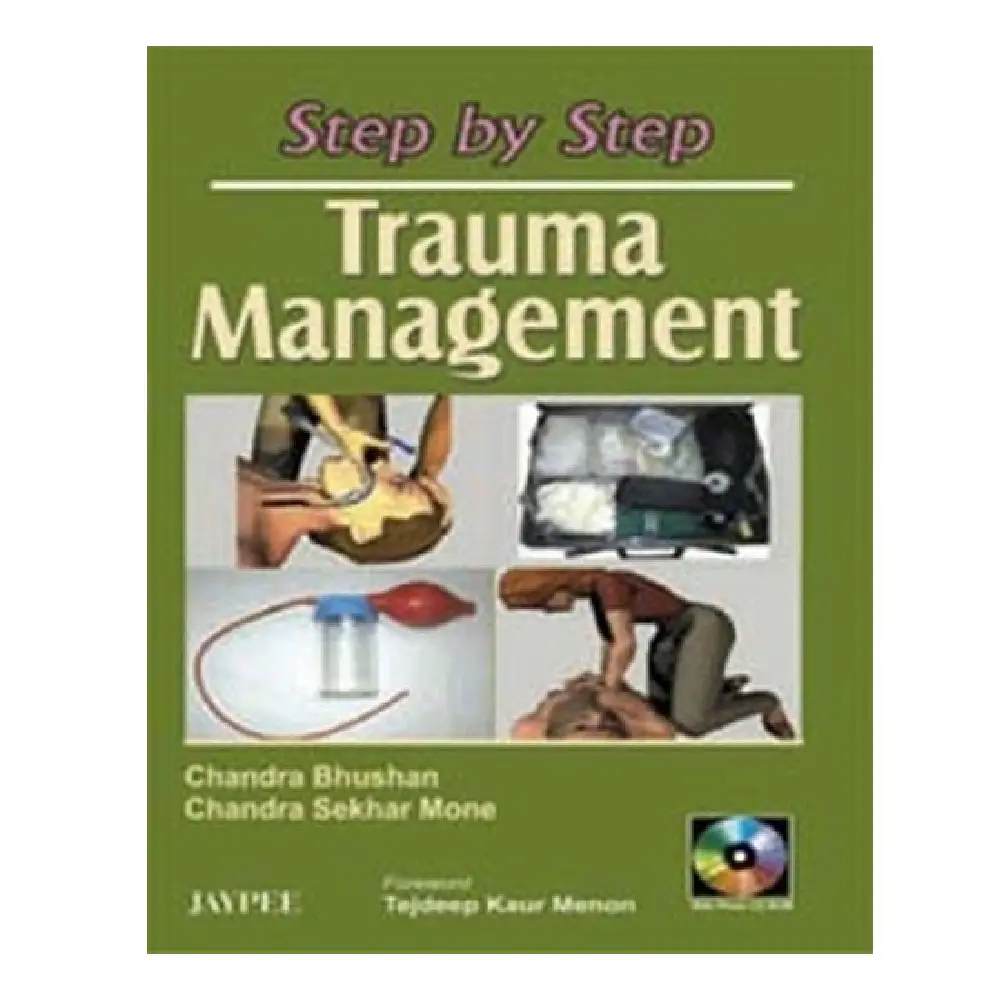


Step by Step Trauma Management
Trauma is a leading cause of death and disability worldwide, particularly among young and economically active populations. Effective trauma management requires a structured, systematic approach that prioritizes life-threatening conditions while ensuring timely diagnosis and definitive care. A step-by-step trauma management protocol helps healthcare professionals respond efficiently in high-pressure situations, reduces errors, and improves patient outcomes.
Step 1: Preparation and Triage
Trauma management begins even before patient arrival. Preparation includes assembling a trained trauma team, ensuring availability of equipment, blood products, and imaging facilities, and assigning clear roles. Upon arrival, triage identifies patients who require immediate life-saving intervention based on injury severity, mechanism of injury, and physiological status. Early recognition of severe trauma ensures rapid prioritization of care.
Step 2: Primary Survey and Immediate Resuscitation
The cornerstone of trauma care is the primary survey, conducted according to the ABCDE approach:
-
Airway with cervical spine protection: Ensure airway patency while protecting the cervical spine. Early intubation may be required in patients with altered consciousness or facial injuries.
-
Breathing: Assess chest movement, oxygen saturation, and breath sounds. Life-threatening conditions such as tension pneumothorax or massive hemothorax must be identified and treated immediately.
-
Circulation: Control hemorrhage, assess pulse and blood pressure, establish intravenous access, and begin fluid or blood resuscitation as needed.
-
Disability: Perform a rapid neurological assessment using the Glasgow Coma Scale and pupil examination.
-
Exposure: Fully expose the patient to assess for injuries while preventing hypothermia.
Resuscitation and assessment occur simultaneously, with immediate interventions taking priority.
Step 3: Adjuncts to the Primary Survey
Adjunct investigations support early decision-making. These include monitoring vital signs, arterial blood gases, blood tests, and bedside imaging. Focused Assessment with Sonography for Trauma (FAST) identifies free fluid suggestive of internal bleeding. Portable X-rays of the chest and pelvis help detect major injuries quickly.
Step 4: Secondary Survey
Once the patient is stabilized, a secondary survey provides a detailed head-to-toe examination. This includes comprehensive history using the AMPLE mnemonic (Allergies, Medications, Past medical history, Last meal, Events leading to injury) and systematic physical examination. All injuries are documented, and pain management is optimized.
Step 5: Definitive Imaging and Diagnosis
Advanced imaging is often required to identify occult injuries. Computed tomography (CT) plays a central role in modern trauma care, providing rapid, detailed evaluation of the head, spine, chest, abdomen, and pelvis. Imaging findings guide surgical or interventional decision-making and help prioritize treatment.
Step 6: Definitive Management and Specialist Referral
Definitive management may involve surgical intervention, interventional radiology, or intensive medical therapy. Early involvement of specialists such as trauma surgeons, neurosurgeons, orthopaedic surgeons, and anesthesiologists ensures coordinated care. Damage control strategies may be employed in severely injured patients to stabilize physiology before definitive repair.
Step 7: Ongoing Monitoring and Critical Care
Trauma patients require continuous reassessment. Changes in vital signs, mental status, or laboratory parameters may signal evolving complications such as bleeding, infection, or organ failure. Admission to intensive care may be necessary for ongoing monitoring and support.
Step 8: Rehabilitation and Follow-Up
Recovery from trauma extends beyond acute care. Early rehabilitation, psychological support, and social services play a vital role in restoring function and quality of life. Follow-up care ensures management of long-term complications and reintegration into daily activities.
Conclusion
Step-by-step trauma management emphasizes preparation, rapid assessment, timely intervention, and coordinated multidisciplinary care. By adhering to structured protocols and continuously reassessing the patient, healthcare professionals can significantly reduce mortality, minimize complications, and improve long-term outcomes for trauma patients.







Reviews
There are no reviews yet