
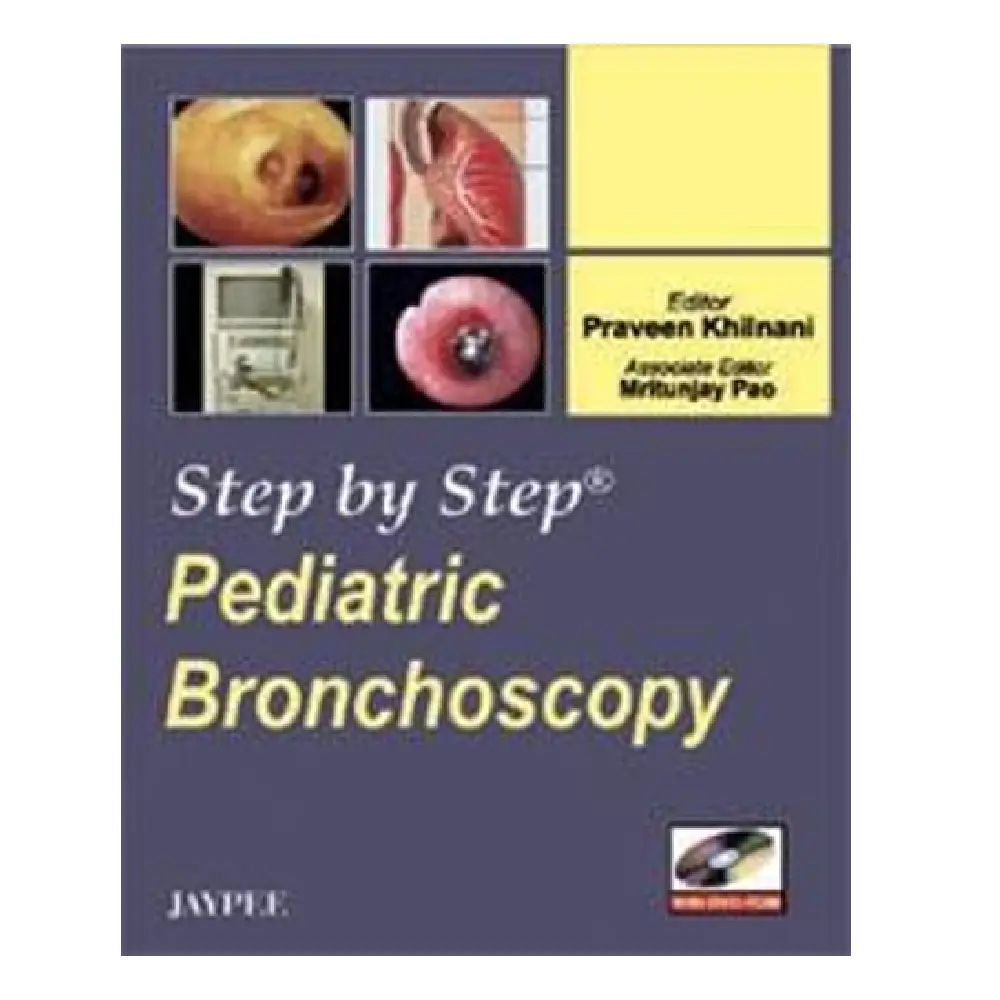

Step by Step Pediatric Bronchoscopy
Pediatric bronchoscopy is a vital diagnostic and therapeutic procedure in the evaluation and management of airway and lung disorders in infants and children. It allows direct visualization of the upper and lower airways, facilitates sampling for microbiological and cytological analysis, and enables targeted therapeutic interventions. Because children have smaller, more reactive airways and limited physiological reserves, a structured, step-by-step approach is essential to ensure safety, accuracy, and optimal outcomes.
Step 1: Indications and Patient Selection
The first step in pediatric bronchoscopy is confirming a clear indication. Common diagnostic indications include persistent or recurrent wheeze, chronic cough, stridor, recurrent pneumonia, suspected airway malformations, unexplained atelectasis, and evaluation of hemoptysis. Therapeutic indications include removal of foreign bodies, clearance of secretions or mucus plugs, and management of airway stenosis.
Careful patient selection is crucial. The child’s age, size, clinical stability, and underlying comorbidities such as congenital heart disease or chronic lung disease must be considered. The expected benefit of the procedure should clearly outweigh potential risks.
Step 2: Pre-Procedure Assessment and Preparation
A comprehensive pre-procedure assessment is essential. This includes a detailed history, physical examination, review of imaging studies, and relevant laboratory tests. Particular attention should be paid to airway anatomy, oxygenation status, and coagulation profile if biopsies are planned.
Fasting guidelines appropriate for the child’s age must be followed to reduce the risk of aspiration. Informed consent should be obtained from parents or caregivers, with clear explanation of the procedure, benefits, risks, and alternatives.
Step 3: Choice of Bronchoscopy Technique
Two main types of bronchoscopy are used in children: flexible bronchoscopy and rigid bronchoscopy. Flexible bronchoscopy is most commonly used for diagnostic purposes and can be performed under moderate sedation or general anesthesia. Rigid bronchoscopy is preferred for therapeutic interventions such as foreign body removal and management of significant airway obstruction.
The choice of instrument depends on the indication, age of the child, and available expertise.
Step 4: Anesthesia and Monitoring
Adequate anesthesia and monitoring are critical for safety. Procedures are typically performed under general anesthesia or deep sedation with continuous monitoring of heart rate, oxygen saturation, blood pressure, and end-tidal carbon dioxide. Supplemental oxygen is administered, and resuscitation equipment must be readily available.
Topical anesthetics may be used to reduce airway reflexes, but dosing must be carefully adjusted to avoid toxicity.
Step 5: Stepwise Bronchoscopic Examination
A systematic examination of the airway ensures complete evaluation. The bronchoscope is introduced through the nose, mouth, or endotracheal tube, depending on the clinical situation. The examiner inspects the nasopharynx, larynx, trachea, carina, and bronchial tree, noting anatomical abnormalities, inflammation, secretions, or obstructions.
Bronchoalveolar lavage, brushings, or biopsies may be performed when indicated, with careful attention to minimizing trauma and hypoxia.
Step 6: Therapeutic Interventions
Therapeutic bronchoscopy may involve foreign body extraction, suctioning of secretions, dilation of stenotic segments, or administration of topical medications. These interventions require skill and careful coordination with anesthesia to maintain airway patency and oxygenation.
Step 7: Post-Procedure Care and Follow-Up
After bronchoscopy, the child should be closely observed for complications such as hypoxia, bronchospasm, bleeding, or fever. Feeding is resumed once protective airway reflexes return. Results should be discussed with caregivers, and follow-up plans established based on findings.
Conclusion
Step-by-step pediatric bronchoscopy emphasizes careful patient selection, thorough preparation, systematic examination, and vigilant post-procedure care. When performed by experienced teams using a structured approach, pediatric bronchoscopy is a safe and invaluable tool for diagnosing and treating airway disorders in children.



Reviews
There are no reviews yet