
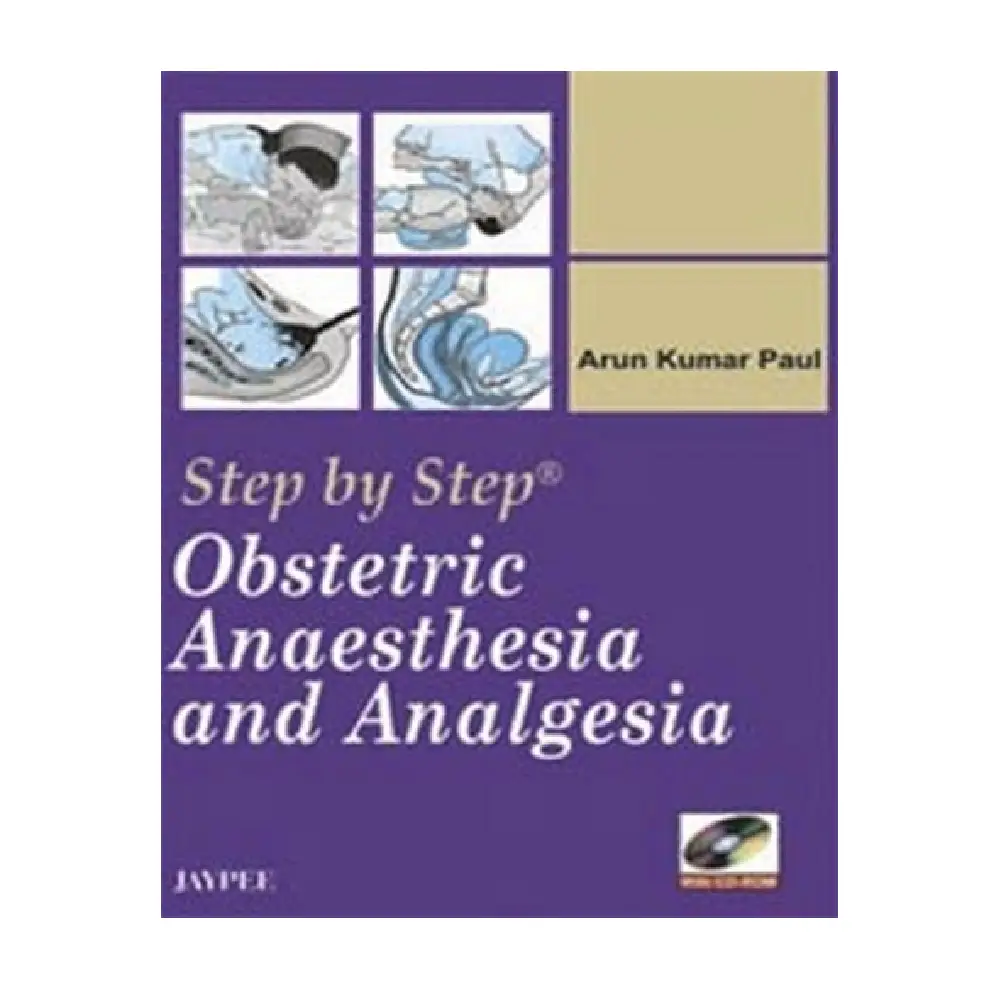

Step by Step Obstetric Anaesthesia and Analgesia
Obstetric anaesthesia and analgesia play a crucial role in ensuring the safety and comfort of both mother and fetus during pregnancy, labor, and delivery. Unlike other surgical disciplines, obstetric anaesthesia involves two patients—the mother and the unborn baby—making careful planning, rapid decision-making, and continuous monitoring essential. A structured, step-by-step approach helps clinicians deliver effective pain relief while minimizing maternal and fetal risks.
Step 1: Antenatal Assessment and Planning
Effective obstetric anaesthesia begins with thorough antenatal assessment. A detailed medical and obstetric history is obtained, focusing on previous anaesthetic experiences, comorbidities such as hypertension, diabetes, cardiac disease, or respiratory disorders, and any history of difficult airway or bleeding disorders.
Physical examination includes airway assessment, spine evaluation, and cardiovascular and respiratory examination. Early identification of high-risk pregnancies—such as preeclampsia, placenta previa, multiple gestation, or morbid obesity—allows formulation of an individualized anaesthetic plan and preparation for potential complications.
Step 2: Labour Analgesia Options
Pain relief during labor is a key component of obstetric care. Various analgesic techniques are available, and the choice depends on maternal preference, clinical condition, and stage of labor.
Epidural analgesia is considered the gold standard for labor pain relief. It provides effective analgesia while allowing the mother to remain awake and participate in childbirth. Combined spinal–epidural techniques offer rapid onset with the flexibility of continuous epidural dosing. Systemic opioids and inhalational agents may be used when neuraxial techniques are contraindicated or unavailable, although they offer less effective analgesia and may cause maternal sedation or neonatal respiratory depression.
Step 3: Monitoring and Safety During Analgesia
Continuous monitoring of maternal vital signs, fetal heart rate, and pain scores is essential after initiating labor analgesia. Blood pressure should be closely observed to detect hypotension, a common complication of neuraxial techniques.
Clear communication with the obstetric team ensures early recognition of labor progression or fetal distress, allowing timely modification of the anaesthetic plan if operative delivery becomes necessary.
Step 4: Anaesthesia for Operative Vaginal Delivery
Operative vaginal deliveries using forceps or vacuum extraction may require enhanced analgesia. A functioning epidural can be topped up to provide adequate anesthesia. In emergency situations, spinal anesthesia may be administered rapidly if no epidural is present.
Step 5: Anaesthesia for Caesarean Section
Anaesthesia for caesarean section requires rapid, reliable, and safe techniques. Regional anesthesia, particularly spinal or combined spinal–epidural anesthesia, is preferred for elective and most emergency caesarean deliveries due to lower maternal morbidity and improved neonatal outcomes.
General anesthesia is reserved for contraindications to regional anesthesia or extreme emergencies. Airway management in obstetric patients is challenging due to physiological changes of pregnancy, increasing the risk of aspiration and difficult intubation. Rapid sequence induction and vigilant airway preparation are essential.
Step 6: Management of Obstetric Emergencies
Obstetric anaesthetists must be prepared to manage emergencies such as postpartum hemorrhage, eclampsia, amniotic fluid embolism, and sepsis. Prompt resuscitation, hemodynamic support, blood transfusion, and coordination with obstetric and critical care teams are vital.
Step 7: Postpartum Analgesia and Care
Effective postpartum pain control facilitates early mobilization, breastfeeding, and maternal recovery. Multimodal analgesia, including paracetamol, nonsteroidal anti-inflammatory drugs, and regional techniques, is commonly employed.
Conclusion
Step-by-step obstetric anaesthesia and analgesia emphasize careful assessment, appropriate technique selection, vigilant monitoring, and rapid response to emergencies. A structured approach ensures maternal safety, fetal well-being, and a positive childbirth experience.


Reviews
There are no reviews yet