
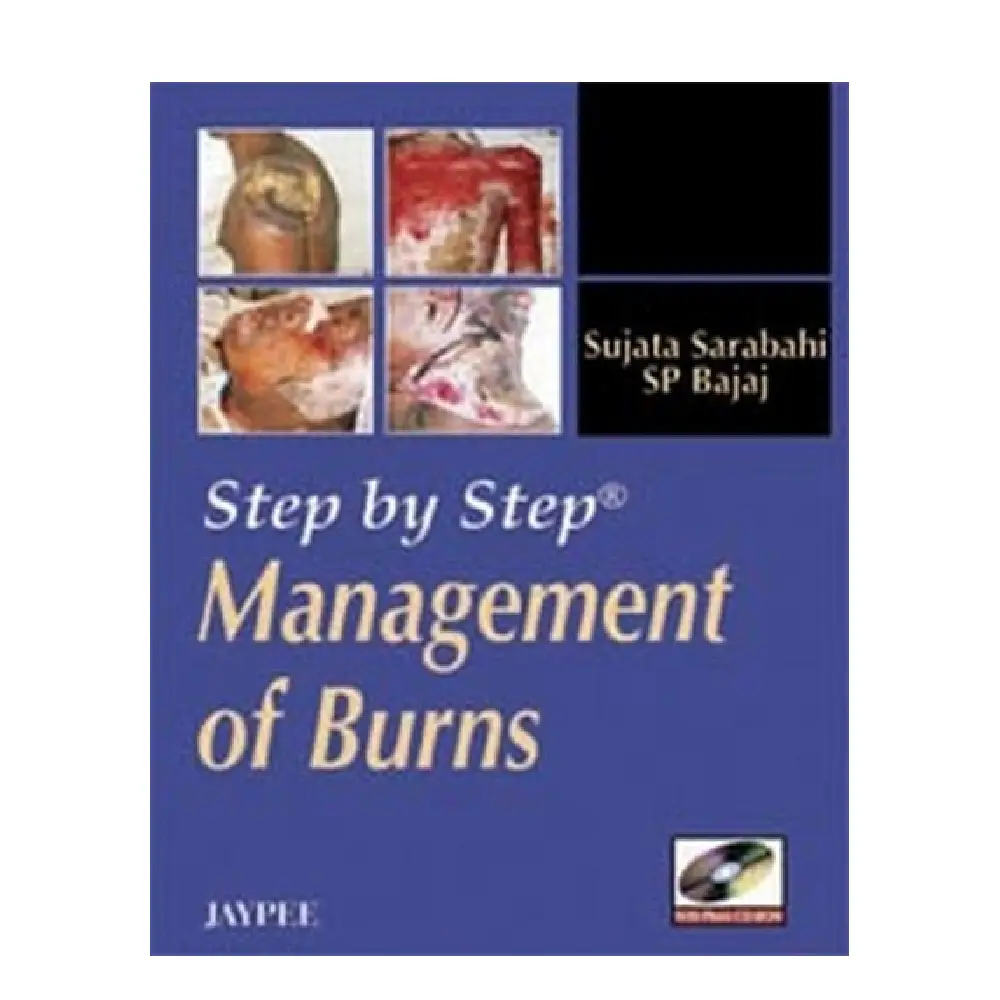
Step by Step Management of Burns
Burn injuries are among the most complex and potentially life-threatening forms of trauma, affecting the skin and, in severe cases, deeper tissues and organ systems. Effective burn management requires a systematic, step-by-step approach that begins at the moment of injury and continues through acute care, wound management, rehabilitation, and long-term follow-up. Prompt, well-coordinated treatment significantly reduces morbidity, mortality, and long-term disability.
Step 1: Initial Assessment and Primary Survey
The first priority in burn management is immediate assessment and stabilization using the ABCDE approach: airway, breathing, circulation, disability, and exposure. Airway assessment is critical, especially in patients with facial burns, inhalation injury, or altered consciousness. Early endotracheal intubation may be required if airway compromise is suspected.
Breathing should be evaluated for signs of inhalation injury, carbon monoxide exposure, or respiratory distress. Circulatory assessment includes monitoring heart rate, blood pressure, and signs of hypovolemia. Large burns cause significant fluid loss due to capillary leak, necessitating early intravenous access and fluid resuscitation.
Step 2: Burn Size and Depth Assessment
Accurate estimation of burn size and depth guides treatment decisions. Burn size is assessed as a percentage of total body surface area (TBSA) using the Rule of Nines in adults or age-specific charts in children. Burn depth is classified as superficial, partial-thickness, or full-thickness based on tissue involvement.
This assessment determines the need for specialized burn center referral and influences fluid resuscitation requirements.
Step 3: Fluid Resuscitation
Fluid resuscitation is a cornerstone of early burn care. The Parkland formula is commonly used to estimate fluid requirements in patients with significant burns. Crystalloid solutions are administered intravenously, with careful monitoring of urine output, vital signs, and laboratory parameters to ensure adequate perfusion while avoiding fluid overload.
Step 4: Wound Care and Infection Prevention
Early wound care aims to promote healing and prevent infection. This includes gentle cleansing, removal of necrotic tissue, and application of appropriate topical antimicrobial agents. Dressings should maintain a moist wound environment while protecting against contamination.
Infection is a major cause of morbidity in burn patients. Regular wound assessment, strict aseptic technique, and early recognition of infection signs are essential. Systemic antibiotics are reserved for clinically evident infections rather than routine prophylaxis.
Step 5: Pain Management and Supportive Care
Burn injuries are extremely painful and require effective pain management using a multimodal approach. Analgesics may include opioids, non-opioid medications, and adjunctive therapies. Adequate nutrition is vital, as burns increase metabolic demands. Early enteral feeding supports wound healing and immune function.
Step 6: Surgical Management
Deep or extensive burns often require surgical intervention. Early excision and skin grafting reduce infection risk, shorten hospital stay, and improve outcomes. Reconstructive procedures may be needed later to address contractures, scarring, or functional impairment.
Step 7: Rehabilitation and Long-Term Care
Rehabilitation begins early and continues throughout recovery. Physical and occupational therapy prevent joint stiffness and muscle wasting. Psychological support addresses trauma, anxiety, and body image concerns.
Conclusion
Step-by-step management of burns emphasizes early stabilization, accurate assessment, meticulous wound care, and multidisciplinary rehabilitation. A structured approach improves survival, promotes healing, and enhances long-term functional and psychosocial outcomes for burn patients.


Reviews
There are no reviews yet