
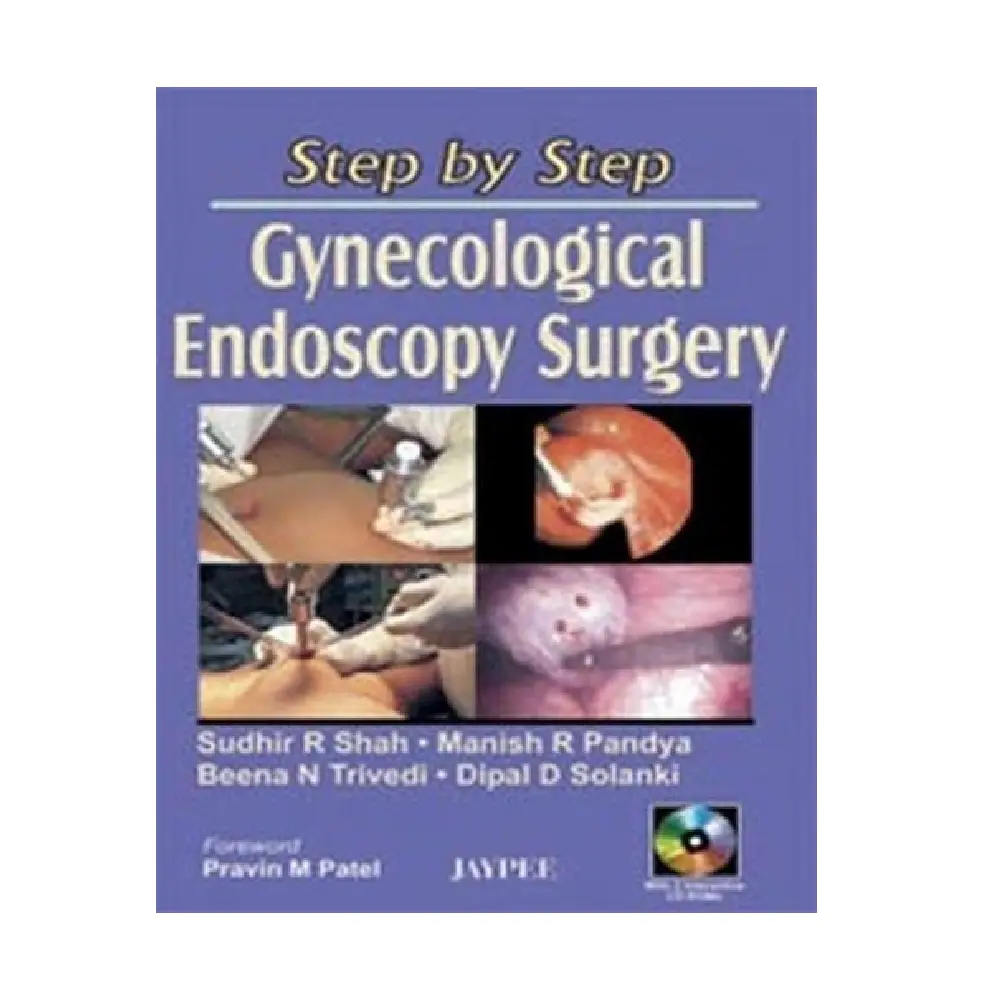
Step by Step Gynecological Endoscopy Surgery
Gynecological endoscopy surgery has revolutionized the field of women’s health by offering minimally invasive solutions for diagnosis and treatment of a wide range of gynecological conditions. This approach includes laparoscopy and hysteroscopy, both of which allow visualization and surgical intervention with smaller incisions, reduced pain, shorter hospital stay, and faster recovery compared to open surgery. A step-by-step understanding of gynecological endoscopic surgery ensures safety, precision, and optimal outcomes.
Step 1: Patient Selection and Indications
The first step in gynecological endoscopy surgery is appropriate patient selection. Common indications include ovarian cysts, ectopic pregnancy, endometriosis, fibroids, infertility evaluation, abnormal uterine bleeding, tubal ligation, and adhesiolysis. Diagnostic laparoscopy and hysteroscopy are also useful in unexplained pelvic pain and recurrent pregnancy loss.
A thorough history and clinical examination must be conducted. Imaging studies such as ultrasound or MRI help confirm the diagnosis. Laboratory investigations including complete blood count, coagulation profile, and pregnancy test (in reproductive-age women) are essential before surgery.
Step 2: Preoperative Preparation
Proper preoperative preparation improves safety. Informed consent should clearly explain the procedure, possible complications, and the risk of conversion to open surgery if necessary. Bowel preparation may be advised in selected cases, especially when extensive adhesions or bowel involvement is suspected.
Prophylactic antibiotics are administered prior to incision. Thromboprophylaxis is considered in high-risk patients. The patient is kept fasting as per anesthesia guidelines. General anesthesia is commonly used for laparoscopy, while hysteroscopy may be performed under local, regional, or general anesthesia depending on complexity.
Step 3: Patient Positioning and Setup
Correct positioning is crucial. For laparoscopy, the patient is placed in the dorsal lithotomy position with a slight Trendelenburg tilt. Proper padding prevents nerve injuries. The surgical team ensures that monitors, light sources, camera systems, insufflator, and electrosurgical units are functioning properly.
In hysteroscopy, the patient is also placed in lithotomy position. The cervix is visualized using a speculum, and antiseptic preparation of the vagina and cervix is performed.
Step 4: Creation of Access and Visualization
In laparoscopy, access to the abdominal cavity is achieved using either the closed (Veress needle) technique or the open (Hasson) technique. Carbon dioxide is insufflated to create pneumoperitoneum, allowing adequate visualization. A primary trocar is inserted, followed by introduction of the laparoscope. Secondary ports are placed under direct vision for surgical instruments.
In hysteroscopy, the cervix may be dilated gently. A hysteroscope is introduced into the uterine cavity, and distension media (normal saline or glycine) is used to visualize the endometrial cavity.
Step 5: Systematic Inspection
A systematic inspection is mandatory to avoid missing pathology. During laparoscopy, the uterus, fallopian tubes, ovaries, pelvic peritoneum, pouch of Douglas, bladder, bowel, and upper abdomen are examined. Adhesions, endometriotic deposits, or masses are carefully assessed.
In hysteroscopy, the uterine cavity, endometrial lining, tubal ostia, and any polyps or submucous fibroids are evaluated.
Step 6: Surgical Intervention
Once pathology is identified, appropriate intervention is performed.
-
Ovarian cystectomy: The cyst wall is carefully dissected from ovarian tissue while preserving ovarian reserve.
-
Myomectomy: Fibroids are enucleated, and the uterine wall is sutured laparoscopically.
-
Endometriosis treatment: Lesions are excised or ablated.
-
Ectopic pregnancy: Salpingostomy or salpingectomy is performed.
-
Adhesiolysis: Adhesions are gently dissected to restore normal anatomy.
In hysteroscopy:
-
Polypectomy: Endometrial polyps are removed.
-
Resection of submucous fibroids: Performed using a resectoscope.
-
Septal resection: Uterine septum is excised to improve fertility outcomes.
-
Endometrial ablation: Used in selected cases of abnormal uterine bleeding.
Hemostasis is achieved using bipolar cautery, suturing, or advanced energy devices.
Step 7: Specimen Retrieval and Closure
Specimens are retrieved using endoscopic bags to prevent spillage. Larger fibroids may require morcellation, performed with caution and appropriate patient selection.
After ensuring hemostasis, carbon dioxide is released, and ports are removed under vision. Small incisions are closed with sutures or adhesive strips. In hysteroscopy, instruments are removed gently, and fluid balance is assessed.
Step 8: Postoperative Care
Patients are monitored in the recovery room until stable. Pain is usually mild and managed with oral analgesics. Early ambulation is encouraged to reduce thromboembolic risk. Most patients can be discharged within 24 hours, and many procedures are done as day-care surgeries.
Postoperative instructions include wound care, warning signs (fever, excessive bleeding, severe pain), and follow-up appointments. Histopathological examination of specimens confirms diagnosis.
Step 9: Complications and Their Management
Though generally safe, gynecological endoscopy may have complications such as bleeding, infection, bowel or bladder injury, vascular injury, gas embolism, or fluid overload (in hysteroscopy). Early recognition and prompt management are critical. Surgeons must be trained to identify complications and convert to open surgery if required.
Step 10: Advantages and Future Directions
Gynecological endoscopy offers numerous advantages: smaller scars, reduced postoperative pain, shorter hospital stay, quicker return to daily activities, and better cosmetic results. Fertility outcomes are often improved due to minimal tissue trauma.
Advancements such as 3D laparoscopy, robotic-assisted surgery, and enhanced imaging systems continue to improve precision and outcomes. Continuous training and adherence to safety protocols remain essential for optimal patient care.
Conclusion
Step-by-step gynecological endoscopy surgery combines careful patient selection, meticulous surgical technique, and structured postoperative care. Mastery of both laparoscopy and hysteroscopy enables gynecologists to provide safe, effective, and minimally invasive treatment for a wide spectrum of gynecological disorders. With ongoing technological advancements and proper training, endoscopic surgery will continue to be a cornerstone of modern gynecological practice.



Reviews
There are no reviews yet