
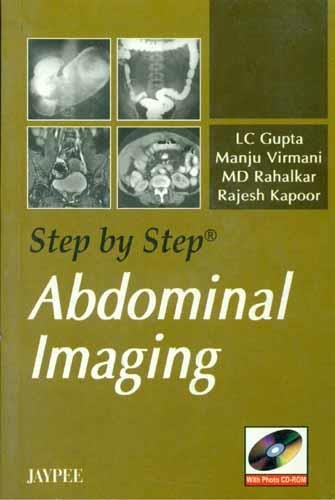


Step-by-Step Abdominal Imaging
Abdominal imaging plays a crucial role in the diagnosis, evaluation, and management of a wide range of medical conditions affecting organs within the abdomen. The abdomen contains vital structures such as the liver, pancreas, spleen, kidneys, intestines, adrenal glands, and major blood vessels. Because many abdominal diseases present with similar symptoms—such as pain, swelling, nausea, or abnormal laboratory results—imaging techniques are essential to accurately identify the underlying problem. A step-by-step approach to abdominal imaging ensures that clinicians select the most appropriate method, interpret findings systematically, and provide accurate diagnoses.
Clinical Evaluation and Indications
The first step in abdominal imaging begins with a careful clinical assessment. Physicians consider the patient’s symptoms, medical history, physical examination findings, and laboratory test results. Common indications for abdominal imaging include abdominal pain, suspected infection, trauma, gastrointestinal bleeding, unexplained weight loss, jaundice, or the presence of a palpable mass.
For example, right upper quadrant pain may suggest liver or gallbladder disease, while lower abdominal pain could indicate intestinal or gynecological disorders. Understanding the clinical context helps guide the selection of the most appropriate imaging technique.
Initial Imaging: Ultrasound
Ultrasound is often the first imaging modality used for evaluating abdominal conditions. It is widely available, noninvasive, relatively inexpensive, and does not expose the patient to ionizing radiation. Ultrasound uses high-frequency sound waves to create real-time images of internal organs.
This technique is particularly useful for assessing the liver, gallbladder, bile ducts, pancreas, kidneys, spleen, and abdominal blood vessels. It is commonly used to detect gallstones, liver masses, kidney stones, cysts, and fluid collections. Doppler ultrasound can also evaluate blood flow in vessels such as the portal vein or hepatic arteries.
Ultrasound is especially valuable in emergency settings, pregnancy, and pediatric patients because of its safety and rapid results. However, its effectiveness can be limited in obese patients or when excessive intestinal gas interferes with image quality.
Computed Tomography (CT) Scan
When more detailed imaging is required, computed tomography (CT) is often the next step. CT scans use X-rays and computer processing to produce cross-sectional images of the abdomen. These images provide excellent detail of both soft tissues and bones.
CT imaging is highly effective for diagnosing a variety of conditions, including appendicitis, abdominal tumors, bowel obstruction, pancreatitis, trauma-related injuries, and internal bleeding. Contrast agents may be administered orally or intravenously to enhance visualization of blood vessels, organs, and inflammatory processes.
CT scans are widely used in emergency medicine because they provide rapid and comprehensive evaluation of the entire abdomen. However, they involve exposure to ionizing radiation, which should be considered when imaging children or patients requiring repeated scans.
Magnetic Resonance Imaging (MRI)
Magnetic resonance imaging (MRI) offers high-resolution images without using ionizing radiation. Instead, it relies on powerful magnetic fields and radiofrequency signals to produce detailed pictures of soft tissues.
MRI is particularly useful for evaluating liver lesions, pancreatic disorders, biliary tract abnormalities, and vascular conditions. Specialized MRI techniques such as MR cholangiopancreatography (MRCP) allow noninvasive visualization of the bile ducts and pancreatic ducts.
Although MRI provides excellent tissue contrast and diagnostic accuracy, it is generally more expensive and time-consuming than CT. Additionally, certain patients—such as those with implanted metal devices or severe claustrophobia—may not be suitable candidates for MRI examinations.
X-Ray Imaging
Plain abdominal radiography, commonly known as an abdominal X-ray, is sometimes used as an initial diagnostic tool. While it provides less detail compared with CT or MRI, it can still offer valuable information in specific situations.
Abdominal X-rays are often used to detect intestinal obstruction, bowel perforation, swallowed foreign objects, or abnormal gas patterns within the digestive tract. They may also help identify certain types of kidney stones or calcifications within abdominal organs.
Because X-rays are quick and widely available, they are frequently used in emergency departments as an initial screening tool before more advanced imaging studies are performed.
Specialized Imaging Techniques
In some cases, specialized imaging techniques are required to evaluate specific abdominal conditions. For example, contrast studies of the gastrointestinal tract may be performed using barium or water-soluble contrast agents to visualize the esophagus, stomach, and intestines.
Angiography is another specialized method used to examine blood vessels within the abdomen. It can identify vascular abnormalities such as aneurysms, blockages, or bleeding. In addition to diagnosis, angiography can also be used for therapeutic procedures such as embolization to control hemorrhage.
Nuclear medicine imaging techniques, such as hepatobiliary scans, can evaluate liver function, bile flow, and gallbladder activity. These methods provide functional information that complements structural imaging from CT or MRI.
Systematic Image Interpretation
After obtaining the images, radiologists analyze them using a systematic approach. Each abdominal organ is examined carefully for changes in size, shape, density, and structure. The radiologist evaluates the liver, spleen, pancreas, kidneys, adrenal glands, intestines, lymph nodes, and major blood vessels.
Attention is also given to surrounding tissues, fluid collections, inflammation, and the presence of masses or abnormalities. A structured method of interpretation helps ensure that no important findings are overlooked.
Role in Diagnosis and Treatment Planning
Abdominal imaging is not only important for diagnosis but also for treatment planning and follow-up care. Imaging helps guide surgical procedures, biopsy sampling, and minimally invasive treatments. For instance, imaging can assist physicians in placing drainage tubes, guiding tumor ablation, or monitoring the response to therapy.
Repeated imaging studies may also be performed to track disease progression or evaluate the effectiveness of treatment. This ongoing assessment allows clinicians to adjust treatment strategies when necessary.
Conclusion
Step-by-step abdominal imaging involves a logical sequence of evaluation that begins with clinical assessment and progresses through appropriate imaging modalities such as ultrasound, CT, MRI, and X-ray. Each technique provides unique advantages and contributes valuable information about abdominal anatomy and pathology. By following a structured approach to imaging and interpretation, healthcare professionals can achieve accurate diagnoses, guide treatment decisions, and improve patient outcomes.




Reviews
There are no reviews yet