
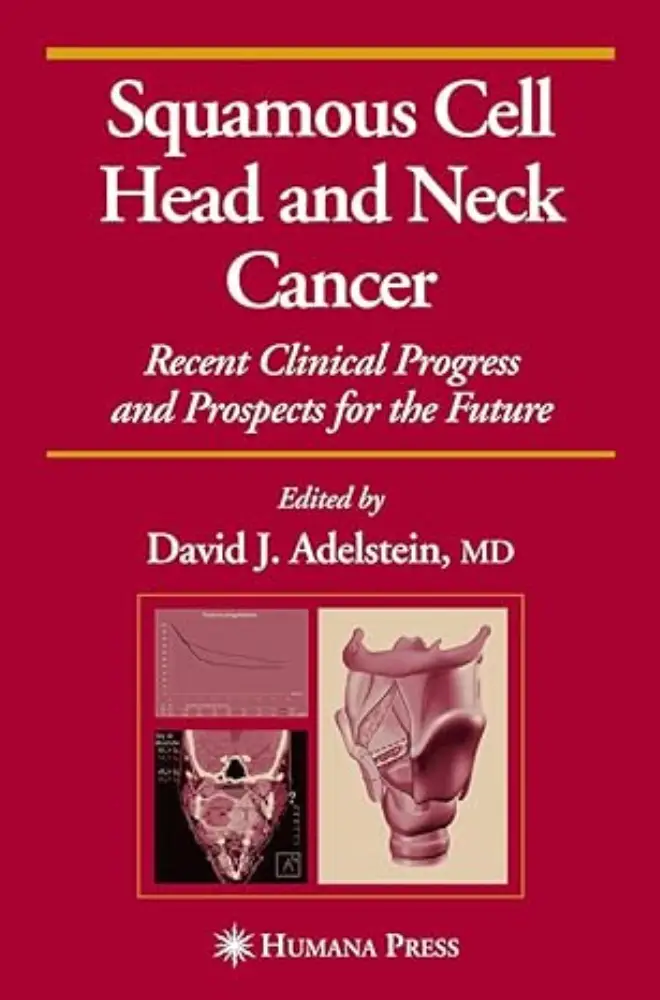

Squamous Cell Head and Neck Cancer: Recent Clinical Progress and Prospects for the Future
Squamous cell carcinoma of the head and neck (HNSCC) is the most common malignancy arising in the mucosal surfaces of the oral cavity, pharynx, and larynx, accounting for nearly 90% of all head and neck cancers. It represents a major global health burden, strongly associated with risk factors such as tobacco use, alcohol consumption, and infection with human papillomavirus (HPV).
Recent Clinical Progress
Over the past decade, significant advances have transformed the diagnosis and management of HNSCC, particularly through improvements in multimodal therapy.
1. Advances in Surgery and Radiotherapy
Modern surgical approaches have become more precise and function-preserving. Techniques such as transoral robotic surgery (TORS) and laser microsurgery enable tumor removal with minimal morbidity. In radiotherapy, intensity-modulated radiation therapy (IMRT) allows highly targeted dose delivery, reducing damage to surrounding tissues and improving quality of life.
2. Chemotherapy and Multimodal Treatment
Concurrent chemoradiotherapy remains the standard of care for locally advanced disease. Platinum-based regimens (e.g., cisplatin) are widely used to enhance the effectiveness of radiation. Multimodal strategies combining surgery, radiation, and chemotherapy have improved survival outcomes, especially in advanced-stage disease.
3. Targeted Therapy
A major breakthrough in HNSCC management has been the introduction of targeted therapies. Epidermal growth factor receptor (EGFR) inhibitors, such as cetuximab, have shown efficacy in selected patients. These therapies act on specific molecular pathways involved in tumor growth and progression, offering a more personalized approach compared to conventional chemotherapy.
4. Immunotherapy Revolution
Immunotherapy has emerged as one of the most significant advances in recent years. Immune checkpoint inhibitors targeting programmed death-1 (PD-1) and its ligand (PD-L1), such as pembrolizumab and nivolumab, have improved survival in recurrent or metastatic HNSCC. These agents enhance the immune system’s ability to recognize and destroy cancer cells. Recent trials demonstrate durable responses and improved overall survival, especially in patients with high PD-L1 expression.
5. HPV-Associated HNSCC
HPV-positive oropharyngeal cancers represent a distinct subgroup with better prognosis compared to HPV-negative tumors. This has led to ongoing research into treatment de-escalation strategies to reduce toxicity while maintaining high cure rates.
Emerging Innovations
1. Neoadjuvant and Combination Immunotherapy
Recent studies are exploring the use of immunotherapy before surgery (neoadjuvant therapy) to shrink tumors and improve surgical outcomes. Combination strategies involving immunotherapy with chemotherapy or targeted agents are showing promising results in clinical trials.
2. Precision Oncology and Biomarkers
Advances in genomics and molecular profiling have enabled the identification of novel biomarkers and therapeutic targets. Personalized treatment approaches based on tumor genetics are increasingly being investigated, aiming to improve treatment efficacy and reduce unnecessary toxicity.
3. Artificial Intelligence and Early Detection
Artificial intelligence (AI) and machine learning are being integrated into clinical practice for early detection, diagnosis, and prognostic prediction. These technologies have the potential to identify tumors at earlier stages and guide individualized treatment decisions.
Future Prospects
The future of HNSCC management lies in personalized, multidisciplinary care. Ongoing research is focused on:
- Combining immunotherapy with novel agents (e.g., dual checkpoint inhibitors, vaccines)
- Identifying predictive biomarkers for treatment response
- Developing less toxic, organ-preserving treatment strategies
- Expanding the role of precision medicine and AI
Conclusion
In summary, the management of squamous cell head and neck cancer has evolved considerably, with immunotherapy and targeted treatments marking a new era in oncology. While challenges persist, continued research and innovation hold promise for more effective, personalized, and less toxic therapies, ultimately improving survival and quality of life for patients.





Reviews
There are no reviews yet