
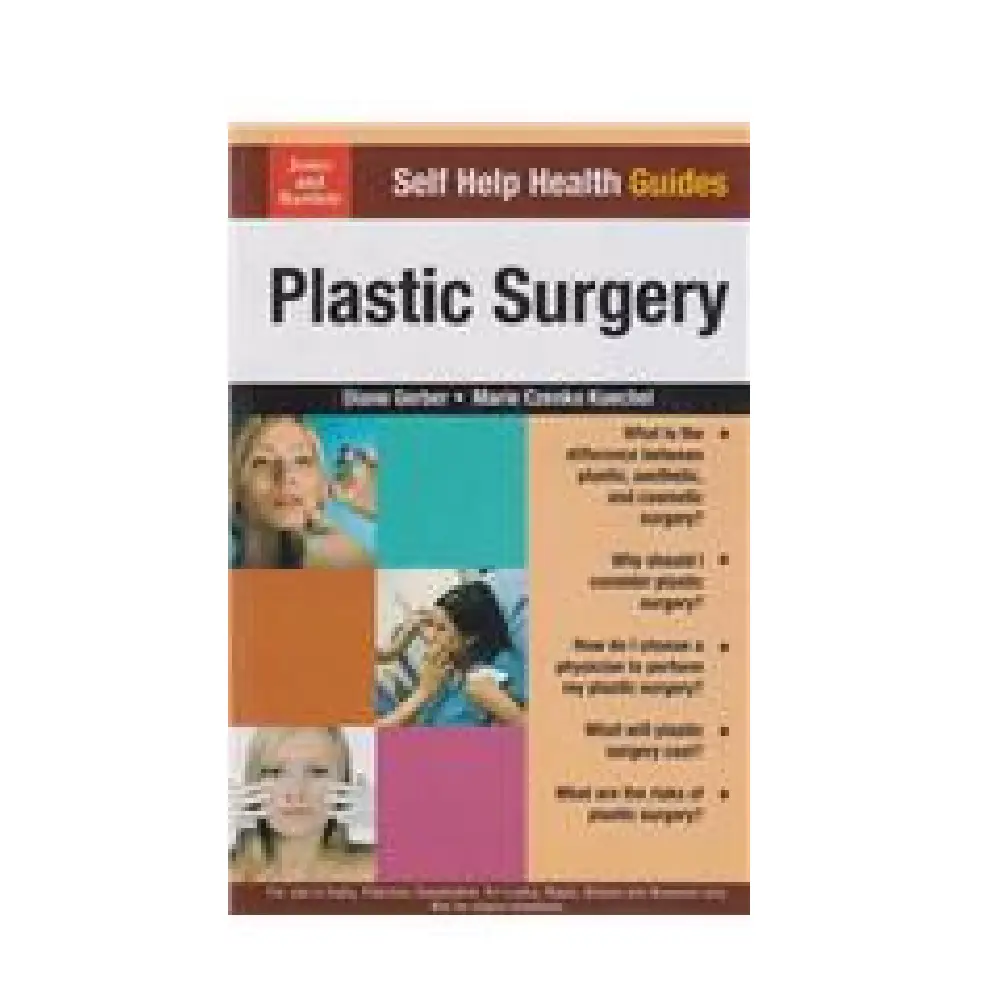


Self-Help Health Guides: Plastic Surgery
Self-help health guides on plastic surgery are designed to educate individuals who are considering cosmetic or reconstructive procedures, helping them make informed, realistic, and safe decisions. Plastic surgery is a broad medical specialty that includes both aesthetic procedures, such as facelifts or liposuction, and reconstructive surgeries, such as correction of congenital deformities, burn reconstruction, or post-cancer restoration. Because these procedures can significantly affect physical appearance, psychological well-being, and overall health, reliable self-help guidance plays an important role in patient education.
A core aim of self-help guides on plastic surgery is to demystify the field. Many people approach plastic surgery with misconceptions shaped by social media, celebrity culture, or advertising. Guides typically begin by explaining what plastic surgery can and cannot achieve. They emphasize that surgery is not a solution for all personal or emotional concerns and that realistic expectations are essential for satisfaction. By outlining common procedures, expected outcomes, and limitations, these resources help readers approach surgery with a balanced perspective.
Another important focus is patient self-assessment and motivation. Self-help guides encourage individuals to reflect on why they want plastic surgery and whether their expectations are reasonable. They often address psychological readiness, body image concerns, and external pressures. This reflective approach helps readers distinguish between healthy motivations—such as restoring function or addressing long-standing concerns—and unrealistic expectations driven by social comparison or emotional distress. Many guides stress that emotional stability and self-acceptance are critical factors in achieving positive outcomes.
Education about types of plastic surgery procedures is a central component. Self-help guides typically describe common cosmetic procedures such as rhinoplasty, breast surgery, facial rejuvenation, body contouring, and minimally invasive treatments like fillers and botulinum toxin injections. Reconstructive procedures may also be discussed, including cleft lip and palate repair, post-mastectomy breast reconstruction, and scar revision. The explanations are usually non-technical, allowing readers without a medical background to understand the goals, steps, and recovery associated with each procedure.
Risks, complications, and limitations are addressed in responsible self-help resources. Plastic surgery, like any surgical intervention, carries potential risks such as infection, bleeding, scarring, anesthesia complications, and unsatisfactory cosmetic results. Guides emphasize that even procedures labeled as “minor” involve real medical risks. By clearly outlining these possibilities, self-help guides promote informed consent and discourage impulsive decision-making.
A major practical benefit of self-help health guides is guidance on choosing a qualified surgeon and facility. Readers are encouraged to verify professional credentials, board certification, training, and experience. Guides often stress the importance of consultations, asking the right questions, and feeling comfortable with the surgeon’s communication style. They also highlight the dangers of unregulated clinics, medical tourism without proper safeguards, and procedures offered at unusually low costs.
Preoperative and postoperative care are also key topics. Self-help guides explain how to prepare physically and mentally for surgery, including lifestyle adjustments, medication management, and planning for recovery time. Postoperative guidance often includes wound care, activity restrictions, pain management, and recognizing warning signs of complications. This information empowers patients to participate actively in their own recovery and reduces anxiety during the healing process.
Many modern self-help guides also address ethical and social considerations. These include cultural perceptions of beauty, the influence of social media, and the psychological impact of altering one’s appearance. By discussing these issues, guides encourage readers to view plastic surgery as a personal medical decision rather than a social obligation or trend.
In summary, self-help health guides on plastic surgery serve as valuable educational tools that support informed, thoughtful decision-making. By providing clear information about procedures, risks, expectations, and recovery, they empower individuals to engage responsibly with plastic surgery. When used alongside professional medical consultation, these guides help ensure that decisions are guided by knowledge, safety, and personal well-being rather than misinformation or pressure.





Reviews
There are no reviews yet