



Selected Topics in Hypertension
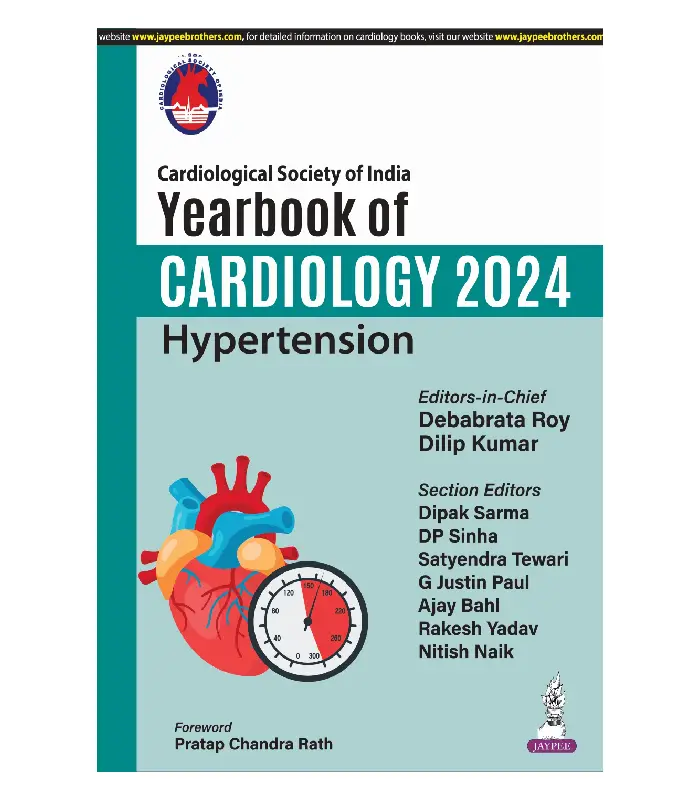
Selected Topics in Hypertension is an advanced medical text that provides a detailed exploration of hypertension, focusing on contemporary research, clinical insights, and emerging therapeutic strategies. It is designed for clinicians, cardiologists, nephrologists, researchers, and trainees who wish to deepen their understanding of the multifactorial nature of high blood pressure and its systemic effects. The book goes beyond simple diagnostic guidelines to explore pathophysiology, genetics, epidemiology, and the interplay of hypertension with other cardiovascular and metabolic diseases.
Overview
Hypertension is a leading global health concern, affecting over a billion individuals worldwide and significantly increasing the risk of cardiovascular morbidity and mortality. Despite the availability of effective therapies, hypertension remains underdiagnosed and undertreated, in part due to its often asymptomatic nature and the complex interplay of environmental, genetic, and physiological factors. Selected Topics in Hypertension addresses these complexities by integrating basic science with clinical practice.
The book is structured to cover foundational concepts, advanced mechanisms, and translational research, providing a bridge between laboratory findings and patient care. Each chapter combines theoretical frameworks with evidence-based clinical guidance.
Pathophysiology of Hypertension
A core focus of the book is the mechanistic understanding of hypertension:
-
Renal and Neurohormonal Regulation: The kidney plays a central role in long-term blood pressure control through sodium handling, renin-angiotensin-aldosterone system (RAAS) activity, and volume regulation. Dysregulation of RAAS or renal perfusion contributes to sustained hypertension.
-
Vascular Biology: Endothelial dysfunction, impaired nitric oxide bioavailability, oxidative stress, and increased vascular stiffness are key contributors to elevated systemic resistance. The text emphasizes how these factors interact with inflammatory mediators to exacerbate vascular injury.
-
Sympathetic Nervous System: Enhanced sympathetic activity, often triggered by stress, obesity, or renal dysfunction, increases heart rate, peripheral resistance, and renin release, further elevating blood pressure.
-
Genetic and Epigenetic Influences: The book examines monogenic forms of hypertension (e.g., Liddle’s syndrome) and polygenic predispositions. Epigenetic modifications and gene-environment interactions are increasingly recognized as contributors to interindividual variability in blood pressure and response to therapy.
Epidemiology and Risk Stratification
Selected Topics in Hypertension provides a global perspective on the prevalence, risk factors, and public health impact of hypertension. Topics include:
-
Age, sex, and ethnic variations in prevalence and complications
-
The contribution of obesity, metabolic syndrome, and lifestyle factors
-
The relationship between hypertension and comorbidities such as diabetes, chronic kidney disease, and dyslipidemia
Risk stratification methods, including ambulatory blood pressure monitoring and evaluation of target organ damage (heart, kidneys, brain, vasculature), are reviewed to guide individualized treatment strategies.
Clinical Implications
The book discusses both primary (essential) and secondary hypertension, highlighting common causes of secondary forms, including:
-
Renal parenchymal disease
-
Endocrine disorders (hyperaldosteronism, pheochromocytoma, thyroid disease)
-
Obstructive sleep apnea
Diagnosis involves a combination of history, physical examination, laboratory testing, and imaging. The text emphasizes an evidence-based approach to evaluating suspected secondary hypertension, as early identification can profoundly alter management and prognosis.
Pharmacologic and Non-Pharmacologic Management
Therapeutic strategies are extensively covered, with a focus on:
-
Lifestyle Interventions: Weight reduction, dietary modification (e.g., DASH diet, sodium restriction), physical activity, moderation of alcohol, and smoking cessation. These remain cornerstone measures in both primary prevention and treatment.
-
Antihypertensive Medications: The book details classes of drugs, including diuretics, ACE inhibitors, angiotensin receptor blockers, calcium channel blockers, beta-blockers, and newer agents. Mechanisms of action, pharmacokinetics, side effect profiles, and combination therapy strategies are described.
-
Resistant Hypertension: For patients who fail to achieve target blood pressure despite optimal therapy, the text examines secondary causes, adherence issues, and emerging interventional therapies, such as renal denervation.
Special Topics
Several advanced topics are addressed to enhance understanding of hypertension as a systemic disease:
-
Hypertension and Cardiovascular Remodeling: Left ventricular hypertrophy, arterial stiffness, and microvascular changes
-
Hypertension and Cerebrovascular Disease: Stroke risk, cognitive impairment, and small vessel disease
-
Hypertension in Special Populations: Pregnancy-induced hypertension, pediatric hypertension, and geriatric considerations
-
Emerging Biomarkers: Natriuretic peptides, microRNAs, and imaging modalities for early detection of target organ damage
Research and Translational Insights
The book incorporates the latest findings in cardiovascular research, including:
-
Molecular pathways of vascular dysfunction
-
Genetic determinants of blood pressure regulation
-
Insights from large-scale epidemiological studies and clinical trials
-
Translational approaches aiming to develop personalized treatment based on genotype and phenotype
This combination of molecular, clinical, and epidemiologic perspectives provides a robust understanding of hypertension as a multifactorial disease.
Educational and Clinical Value
Selected Topics in Hypertension is designed for clinicians, fellows, and researchers. It balances basic science with practical clinical guidance, offering tables, figures, and algorithms that summarize complex information clearly. Case studies highlight real-world applications, emphasizing diagnostic reasoning and treatment planning.
Conclusion
Hypertension is a complex, multifactorial condition with widespread systemic effects. Selected Topics in Hypertension integrates molecular mechanisms, genetic insights, clinical evaluation, and evidence-based management to provide a comprehensive understanding of the disease. By emphasizing both scientific principles and translational applications, the book equips healthcare professionals and researchers with the knowledge needed to improve patient outcomes and advance the field of cardiovascular medicine.


Reviews
There are no reviews yet