
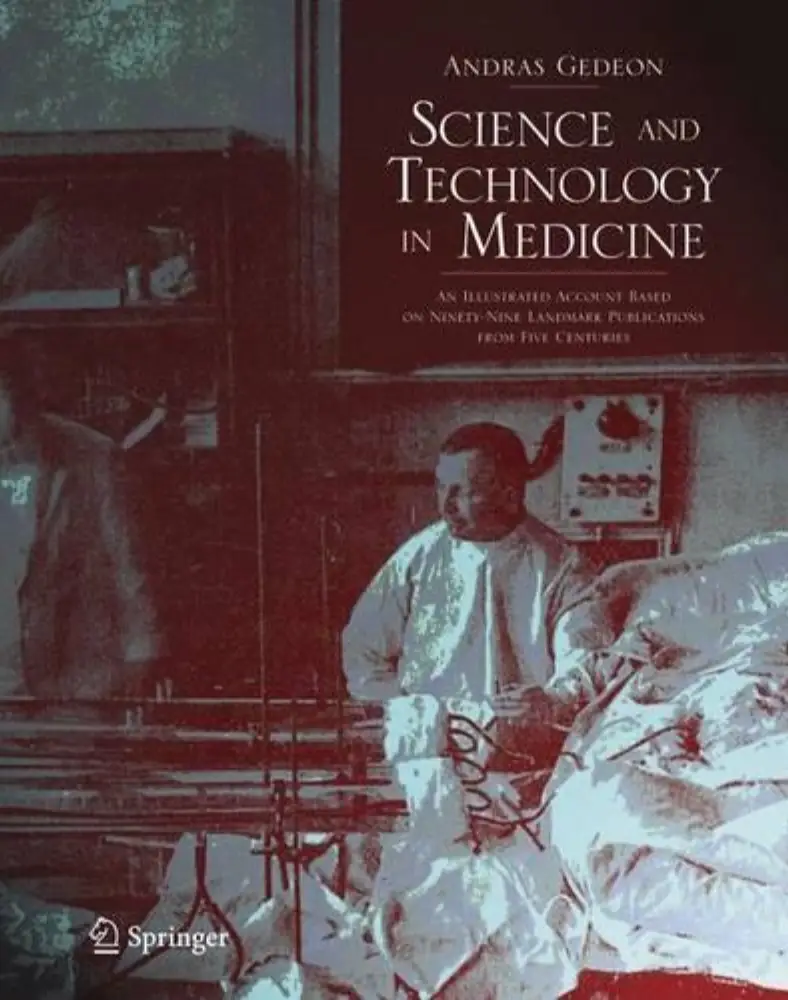

Science and Technology in Medicine
Science and Technology in Medicine is a dynamic and ever-evolving field that has transformed the way healthcare is delivered, diagnosed, and managed across the world. The integration of scientific discoveries with advanced technologies has significantly improved patient outcomes, increased life expectancy, and enhanced the overall quality of care. From early diagnostic tools to cutting-edge digital innovations, the role of science and technology in medicine continues to expand rapidly.
At the core of modern medicine lies the Science and Technology in Medicine application of scientific knowledge from disciplines such as biology, chemistry, and physics. Understanding human anatomy, physiology, and disease mechanisms allows healthcare professionals to develop accurate diagnostic methods and effective treatments. Scientific research has led to the discovery of antibiotics, vaccines, and life-saving drugs that have revolutionized healthcare. For example, vaccines have played a crucial role in controlling infectious diseases such as measles, polio, and influenza, significantly reducing mortality rates worldwide.
Technological advancements have further enhanced the capabilities of medical science. Diagnostic technologies such as X-rays, CT scans, MRI, and ultrasound have made it possible to visualize internal structures of the body without invasive procedures. These imaging techniques enable early detection of diseases, which is critical for successful treatment. Laboratory technologies have also advanced, allowing for precise blood tests, genetic analysis, and molecular diagnostics that help identify diseases at a very early stage.
Another major contribution of technology in medicine is in the field of treatment and surgery. Minimally invasive surgical techniques, such as laparoscopic and robotic-assisted surgeries, have reduced recovery time, minimized pain, and lowered the risk of complications. Advanced medical devices, including pacemakers, prosthetic limbs, and implantable defibrillators, have improved the quality of life for patients with chronic conditions or disabilities.
The rise of digital technology has introduced a new era in healthcare. Electronic Health Records (EHRs) have replaced traditional paper-based systems, making patient information easily accessible and improving coordination among healthcare providers. Telemedicine has become increasingly popular, allowing patients to consult doctors remotely, which is especially beneficial in rural or underserved areas. Mobile health applications and wearable devices enable continuous monitoring of vital signs such as heart rate, physical activity, and sleep patterns, empowering individuals to take a more active role in managing their health.
Artificial intelligence (AI) and machine learning are among the most promising developments in modern medicine. These technologies can analyze vast amounts of data to identify patterns, assist in diagnosis, and predict disease outcomes. AI-powered tools are being used in radiology, pathology, and personalized medicine, helping doctors make more informed decisions. Additionally, advancements in biotechnology, such as gene editing and regenerative medicine, offer new possibilities for treating previously incurable diseases.
Pharmaceutical technology has also seen remarkable progress. The development of targeted therapies and biologics has improved the treatment of complex diseases like cancer and autoimmune disorders. Drug delivery systems have become more efficient, ensuring that medications are delivered precisely where they are needed in the body.
Despite these advancements, the integration of science and technology in medicine also presents challenges. Issues such as high costs, ethical concerns, data privacy, and the need for skilled professionals must be addressed to ensure equitable access to healthcare innovations.
In conclusion, science and technology have become indispensable in modern medicine. Their combined impact has revolutionized healthcare by improving diagnosis, treatment, and patient care. As research and innovation continue to progress, the future of medicine promises even more advanced solutions that will further enhance human health and well-being.







Reviews
There are no reviews yet