
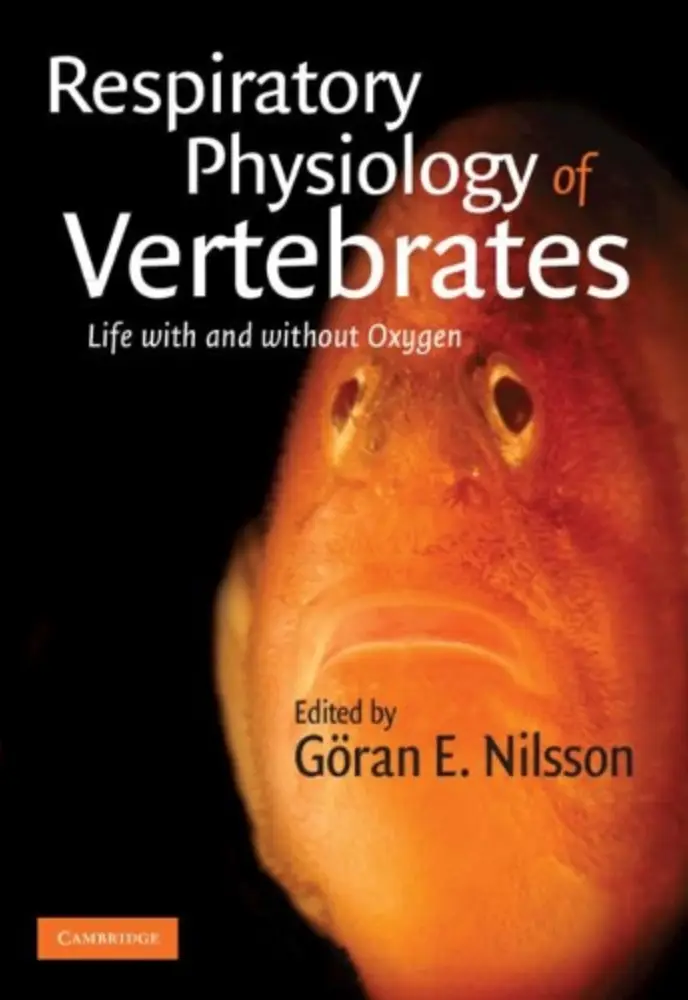
Respiratory Physiology of Vertebrates: Life With And Without Oxygen is a comprehensive and insightful exploration of how vertebrate animals adapt their respiratory systems to meet the challenges of diverse environments. This work examines the fundamental principles of respiration while highlighting the remarkable physiological flexibility that allows vertebrates to survive in both oxygen-rich and oxygen-limited conditions.
At its core, the book explains how respiration supports life by enabling the exchange of gases—primarily oxygen and carbon dioxide—between an organism and its environment. It begins with the basic mechanisms of gas exchange, detailing how structures such as gills, lungs, and skin facilitate diffusion. The text emphasizes how these systems are shaped by evolutionary pressures, leading to specialized adaptations in different groups of vertebrates including fish, amphibians, reptiles, birds, and mammals.
A key strength of the book lies in its comparative approach. By examining a wide range of species, it demonstrates how respiratory systems have evolved to suit specific ecological niches. For instance, aquatic vertebrates like fish rely on gills to extract dissolved oxygen from water, while terrestrial vertebrates depend on lungs to breathe air. Amphibians are presented as particularly versatile, often using both lungs and cutaneous respiration (through the skin), especially in moist environments.Respiratory Physiology of Vertebrates: Life With and Without Oxygen Birds are highlighted for their highly efficient respiratory system, which includes air sacs that allow continuous airflow through the lungs, supporting the high metabolic demands of flight.
The book also delves deeply into the physiological and biochemical mechanisms that regulate respiration. It discusses how oxygen is transported in the blood, focusing on the role of hemoglobin and its affinity for oxygen under varying conditions. Factors such as temperature, pH, and carbon dioxide levels are explained in relation to their effects on oxygen binding and release. These concepts are essential for understanding how vertebrates maintain homeostasis under different environmental stresses These concepts are essential for understanding how vertebrates maintain homeostasis under different environmental stresses.
One of the most fascinating aspects of the text is its exploration of life in low-oxygen or even oxygen-free environments. Certain vertebrates have developed extraordinary adaptations to survive hypoxia (low oxygen) or anoxia (absence of oxygen). For example, some fish and turtles can significantly reduce their metabolic rate, allowing them to endure prolonged periods without oxygen. The book explains the biochemical pathways that support anaerobic metabolism and how these animals manage the accumulation of metabolic byproducts.
In addition to natural adaptations, the book addresses how vertebrates respond to environmental challenges such as high altitude, diving, and climate change. High-altitude animals, for instance, exhibit enhanced oxygen uptake and transport capabilities, enabling them to thrive in thin air. Diving mammals like whales and seals possess adaptations such as increased oxygen storage and the ability to slow their heart rate, conserving oxygen during extended dives.
The text is Life With And Without Oxygen also valuable for its integration of experimental research and real-world applications. It connects physiological principles to fields such as medicine, veterinary science, and environmental biology. Understanding how animals cope with hypoxia can provide insights into human medical conditions like respiratory diseases and ischemia.
Overall, Respiratory Physiology of Vertebrates: Life With and Without Oxygen offers a detailed, well-structured, and engaging examination of respiratory function across the vertebrate lineage. Its blend of comparative biology, physiology, and ecological context makes it an essential resource for students, researchers, and anyone interested in how life adapts to the fundamental challenge of obtaining and utilizing oxygen.


Reviews
There are no reviews yet