
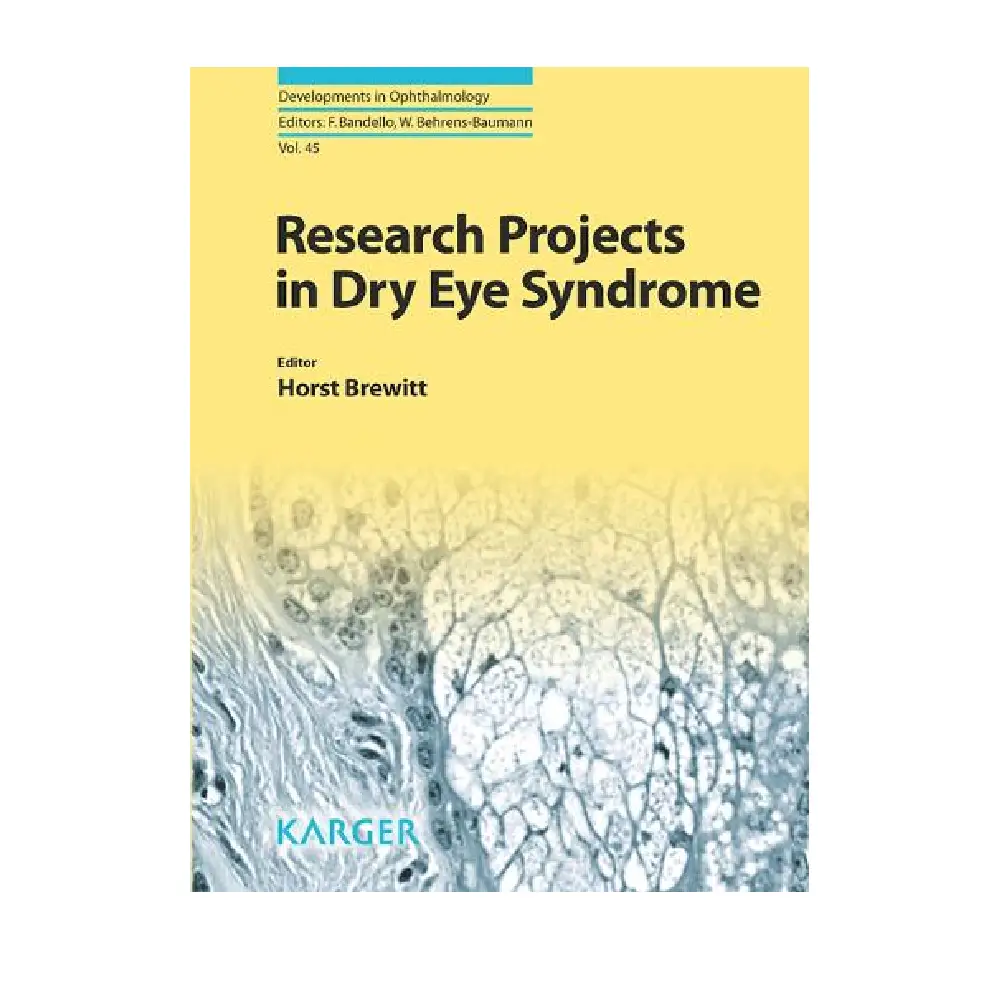
Research Projects in Dry Eye Syndrome
Dry eye syndrome (DES), also known as dry eye disease, is a multifactorial disorder of the ocular surface characterized by tear film instability, ocular discomfort, visual disturbance, and potential damage to the corneal and conjunctival epithelium. It affects millions of people worldwide and has a significant impact on quality of life and visual performance. Despite advances in clinical management, many aspects of dry eye syndrome remain incompletely understood, making it an active and important area of research. Research projects in dry eye syndrome span basic science, translational studies, clinical trials, and public health investigations.
Pathophysiology-Oriented Research
One major focus of research in dry eye syndrome is elucidating its underlying pathophysiology. DES is broadly classified into aqueous-deficient dry eye and evaporative dry eye, although many patients exhibit features of both. Research projects in this area investigate lacrimal gland dysfunction, meibomian gland disease, tear film composition, and ocular surface inflammation.
Studies exploring the role of inflammatory mediators, such as cytokines, chemokines, and matrix metalloproteinases, have improved understanding of chronic ocular surface inflammation. Molecular and cellular research on epithelial barrier disruption, immune cell activation, and neural regulation of tear secretion continues to inform potential therapeutic targets.
Tear Film and Biomarker Research
The tear film is a dynamic structure composed of lipid, aqueous, and mucin layers. Research projects increasingly focus on identifying biomarkers in tears that can aid in diagnosis, disease classification, and treatment monitoring. Proteomic, lipidomic, and metabolomic analyses of tear samples are being used to identify disease-specific molecular signatures.
Such biomarker-driven research supports the development of personalized medicine approaches, allowing clinicians to tailor treatment strategies based on underlying disease mechanisms rather than relying solely on symptom-based assessment.
Meibomian Gland and Ocular Surface Imaging
Advances in imaging technologies have opened new research avenues in dry eye syndrome. Projects utilizing meibography, in vivo confocal microscopy, optical coherence tomography, and interferometry aim to better characterize structural and functional changes in the meibomian glands and ocular surface.
These imaging-based studies enhance understanding of disease progression and provide objective outcome measures for clinical trials. They also help identify early changes before the onset of severe symptoms, supporting earlier intervention.
Therapeutic and Drug Development Studies
Clinical research projects are central to improving dry eye management. These include trials evaluating novel anti-inflammatory agents, tear substitutes, secretagogues, lipid-based formulations, and biologic therapies. Research on drug delivery systems, such as sustained-release inserts and nanotechnology-based formulations, seeks to enhance treatment efficacy and patient adherence.
Additionally, regenerative approaches, including autologous serum eye drops and cell-based therapies targeting the lacrimal gland or ocular surface, represent emerging areas of investigation.
Environmental and Lifestyle Research
Environmental factors play a significant role in the development and exacerbation of dry eye syndrome. Research projects examine the impact of digital screen use, air pollution, contact lens wear, climate, and occupational exposure on tear film stability and ocular comfort. Understanding these influences informs preventive strategies and public health interventions.
Behavioral and ergonomic research also explores strategies to reduce symptoms associated with prolonged visual tasks, such as screen breaks and blink training.
Epidemiology and Quality of Life Studies
Population-based research projects aim to determine the prevalence, risk factors, and socioeconomic burden of dry eye syndrome. These studies highlight associations with aging, female sex, autoimmune disease, hormonal changes, and systemic medications.
Quality of life research assesses the psychological and functional impact of DES, including effects on work productivity, mental health, and daily activities. These findings emphasize the need for holistic management approaches.
Future Directions and Conclusion
Research in dry eye syndrome is increasingly interdisciplinary, integrating basic science, clinical research, and technology-driven innovation. Future projects are expected to focus on precision diagnostics, targeted therapies, and long-term disease modification. By advancing understanding of disease mechanisms and improving therapeutic options, ongoing research projects play a vital role in reducing the global burden of dry eye syndrome and enhancing patient outcomes.






Reviews
There are no reviews yet