
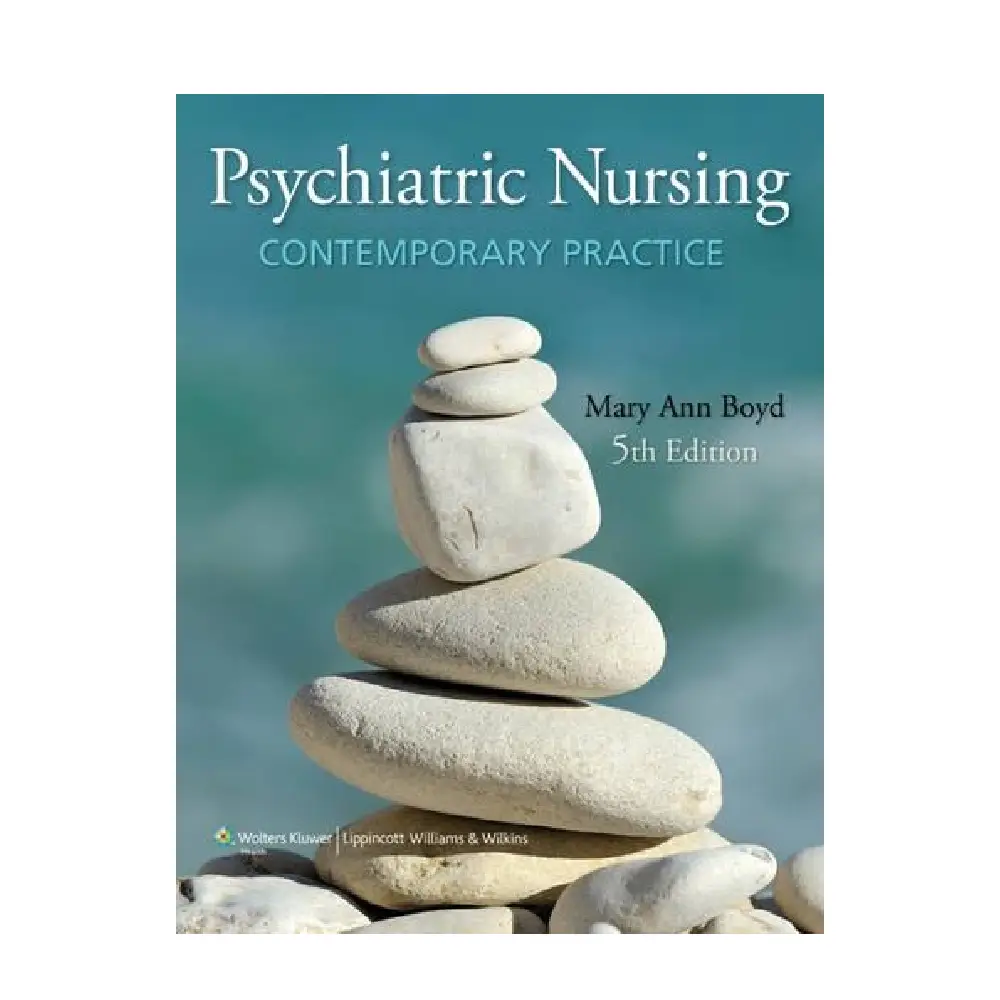

Psychiatric Nursing: Contemporary Practice
Psychiatric Nursing: Contemporary Practice is a leading textbook in the field of psychiatric and mental health nursing. Designed to bridge theory and clinical practice, it provides a comprehensive, evidence-based exploration of psychiatric conditions, therapeutic modalities, nursing interventions, and the social and cultural context of mental health care. This book is widely used by nursing students, practicing nurses, and educators to understand the complex needs of individuals with mental health disorders in diverse healthcare settings.
Overview
Psychiatric nursing is a unique specialty focused on promoting mental wellness, preventing mental illness, and restoring optimal functioning in individuals across the lifespan. This book emphasizes a holistic framework, blending biological, psychological, social, and cultural perspectives. It places particular importance on therapeutic communication, ethical practice, clinical decision-making, and person-centered care.
The content is organized to guide learners from foundational knowledge of mental health principles to advanced clinical applications. It integrates the latest research, DSM diagnostic criteria, psychopharmacology, and evidence-based interventions. Throughout, there’s a strong emphasis on the nurse’s role as advocate, educator, collaborator, and leader.
Structure and Content
1. Foundations of Psychiatric Nursing
The book typically begins with an overview of psychiatric nursing as a profession, including:
-
History of mental health care
-
Theoretical models (biopsychosocial, recovery-oriented care)
-
Legal, ethical, and cultural considerations
-
Therapeutic nurse–patient relationship and communication skills
This section establishes the core competencies required to assess, plan, implement, and evaluate care in psychiatric settings.
2. Assessment and Diagnostic Frameworks
A thorough mental health assessment is crucial in psychiatric care. The book outlines:
-
Components of a comprehensive psychiatric assessment
-
Use of standardized tools and screening instruments
-
DSM diagnostic criteria and case conceptualization
-
Risk assessment (suicide, violence, self-harm)
The emphasis is on clinical judgment, safety, and forming a therapeutic alliance.
3. Therapeutic Communication and Interventions
Effective communication is central to psychiatric nursing. The text explores:
-
Verbal and non-verbal communication techniques
-
Building rapport and trust
-
De-escalation strategies
-
Crisis intervention
-
Group therapy facilitation
Chapters often include case examples and role-play scenarios to illustrate best practices.
4. Psychopharmacology
Understanding medications is essential in contemporary psychiatric practice. Key topics include:
-
Classes of psychotropic drugs (antidepressants, antipsychotics, mood stabilizers, anxiolytics)
-
Mechanisms of action and side effect profiles
-
Nursing responsibilities (monitoring, education, adherence support)
-
Interactions and special population considerations
Clear tables and charts help students memorize drug classes and nursing actions.
5. Psychiatric Disorders Across the Lifespan
This core section addresses major mental health conditions, with clinical features, etiology, and nursing care strategies:
-
Anxiety and stress-related disorders
-
Depressive disorders
-
Bipolar disorder
-
Schizophrenia and psychotic disorders
-
Personality disorders
-
Substance-related and addictive disorders
-
Trauma and stressor-related disorders
-
Eating disorders
Each chapter typically includes assessment cues, treatment options, therapeutic approaches, and patient teaching points.
6. Special Populations and Settings
The book often extends psychiatric nursing care to:
-
Children and adolescents
-
Older adults
-
Perinatal and postpartum clients
-
Forensic settings
-
Community and home-based care
These chapters emphasize developmental considerations, family involvement, and community-oriented interventions.
7. Legal, Ethical, and Cultural Issues
Modern psychiatric practice is shaped by ethical frameworks and legal standards:
-
Patient rights and informed consent
-
Confidentiality and HIPAA principles
-
Ethical dilemmas in involuntary treatment
-
Cultural competence and disparities in mental health care
The text challenges readers to think critically about advocacy, justice, and culturally respectful care.
Key Features and Learning Tools
-
Case Studies: Real-world scenarios to apply theory to clinical situations.
-
Clinical Pearls: Practical tips highlighting key nursing actions and priorities.
-
Self-Assessment Questions: Review questions at the end of chapters for exam preparation.
-
Care Plans: Sample nursing care plans with diagnoses, outcomes, and interventions.
-
Tables and Algorithms: Quick reference charts for disorders, drugs, and assessment protocols.
These features reinforce learning and help students prepare for licensure (NCLEX-RN) and clinical practice.
Educational Value
Psychiatric Nursing: Contemporary Practice is valuable for:
-
Undergraduate nursing students learning foundational and clinical psychiatric content
-
Graduate nursing students specializing in psychiatric–mental health nursing
-
Clinical nurses expanding skills in mental health assessment and intervention
-
Nurse educators seeking a comprehensive teaching resource
Its blend of science, clinical application, and therapeutic focus prepares learners for real-world practice.
Strengths
-
Comprehensive yet accessible coverage
-
Strong emphasis on evidence-based practice
-
Integration of DSM diagnoses and nursing frameworks
-
Multicultural and lifespan perspectives
-
Practical tools for clinical decision-making
Limitations
While thorough, readers may need supplementary resources for advanced pharmacology details or deep theoretical analysis. Some editions may vary in case examples and ancillary online content.
Conclusion
Psychiatric Nursing: Contemporary Practice is a cornerstone text in mental health nursing. By synthesizing theoretical foundations, clinical interventions, and professional ethics, it equips nurses to deliver compassionate, competent, and culturally respectful care across diverse psychiatric and behavioral health settings. Whether preparing for exams or enhancing clinical practice, this book remains a trusted guide for students and professionals alike.


Reviews
There are no reviews yet