
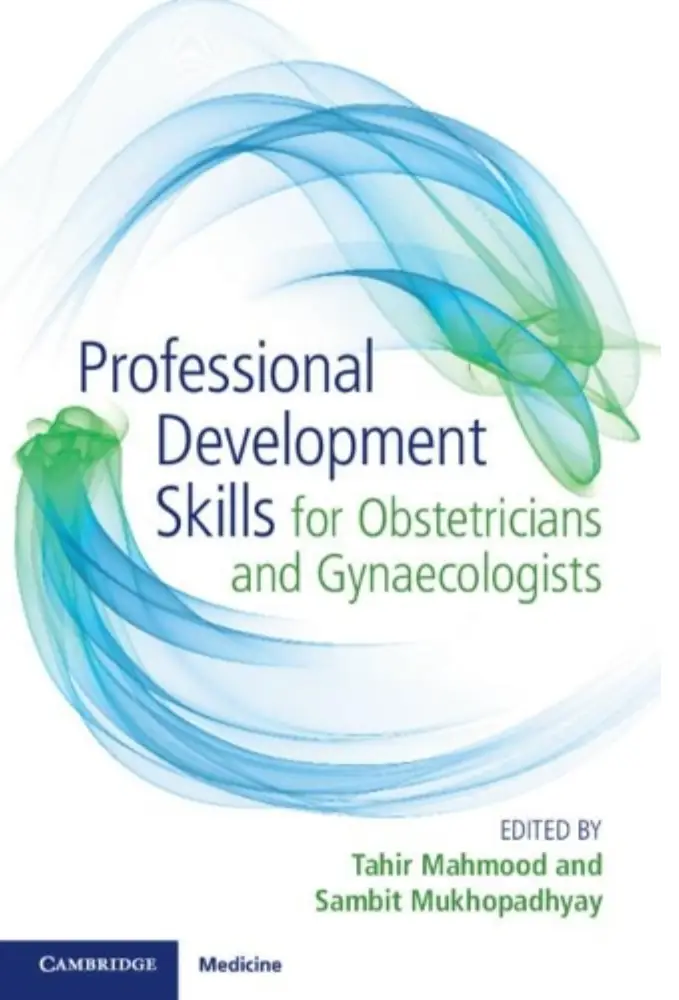


Professional Development Skills for Obstetricians and Gynaecologists
Professional Development Skills for Obstetricians and Gynaecologists is a valuable resource designed to support the non-clinical and professional growth of practitioners in the field of obstetrics and gynaecology. While clinical expertise remains essential, modern healthcare demands that doctors also excel in communication, leadership, ethics, teamwork, and lifelong learning. This book addresses those broader competencies that are crucial for delivering high-quality patient care and achieving career success.
The book emphasizes the importance of effective communication skills. Obstetricians and gynaecologists frequently deal with sensitive and emotionally charged situations, such as pregnancy complications, infertility, and reproductive health concerns. Clear, empathetic communication helps build trust with patients and their families. The text provides guidance on breaking bad news, obtaining informed consent, and managing difficult conversations, ensuring that patients feel respected and understood.
Another major focus is professionalism and ethical practice. The book explores key ethical principles such as autonomy, beneficence, non-maleficence, and justice, and explains how they apply to obstetrics and gynaecology. Issues like patient confidentiality, decision-making in high-risk pregnancies, and reproductive rights are discussed in detail. By understanding these principles, practitioners can navigate complex clinical situations with integrity and accountability.
Teamwork and multidisciplinary collaboration are also highlighted. Obstetric and gynaecological care often involves working with nurses, midwives, anesthetists, pediatricians, and other healthcare professionals. The book stresses the importance of effective team dynamics, mutual respect, and clear communication within healthcare teams. It also addresses conflict resolution strategies and ways to improve collaboration in high-pressure environments such as labor wards and operating theatres.
Leadership and management skills form another key component of professional development. The book explains how clinicians can take on leadership roles, whether managing a department, leading a clinical team, or contributing to healthcare policy. Topics such as decision-making, delegation, time management, and resource allocation are covered. These skills are essential for improving patient outcomes and ensuring efficient healthcare delivery.
The text also addresses the importance of teaching and mentoring. Obstetricians and gynaecologists often play a role in training medical students, residents, and junior colleagues. The book provides practical advice on effective teaching methods, giving constructive feedback, and supporting learners’ development. Mentorship is highlighted as a vital component of career progression and professional satisfaction.
Another significant theme is reflective practice and lifelong learning. The medical field is constantly evolving, and practitioners must stay updated with new knowledge and techniques. The book encourages self-assessment, reflection on clinical experiences, and participation in continuing professional development (CPD) activities. This approach helps clinicians identify areas for improvement and maintain high standards of care.
Patient safety and quality improvement are also central topics. The book discusses strategies to reduce medical errors, improve clinical outcomes, and enhance patient safety. It introduces tools such as clinical audits, risk management systems, and evidence-based practice. By focusing on continuous improvement, practitioners can contribute to safer and more effective healthcare systems.
Additionally, the book addresses work-life balance and personal well-being. Obstetrics and gynaecology can be demanding and stressful, with long hours and high-stakes situations. The text highlights the importance of managing stress, preventing burnout, and maintaining physical and mental health. It provides practical tips for achieving balance and sustaining a long and fulfilling career.
In conclusion, Professional Development Skills for Obstetricians and Gynaecologists goes beyond clinical knowledge to focus on the essential skills required for modern medical practice. By covering communication, ethics, leadership, teamwork, education, and self-care, the book equips practitioners with the tools needed to excel both professionally and personally. It is an indispensable guide for those seeking to provide compassionate, competent, and holistic care in the field of obstetrics and gynaecology.



Reviews
There are no reviews yet