
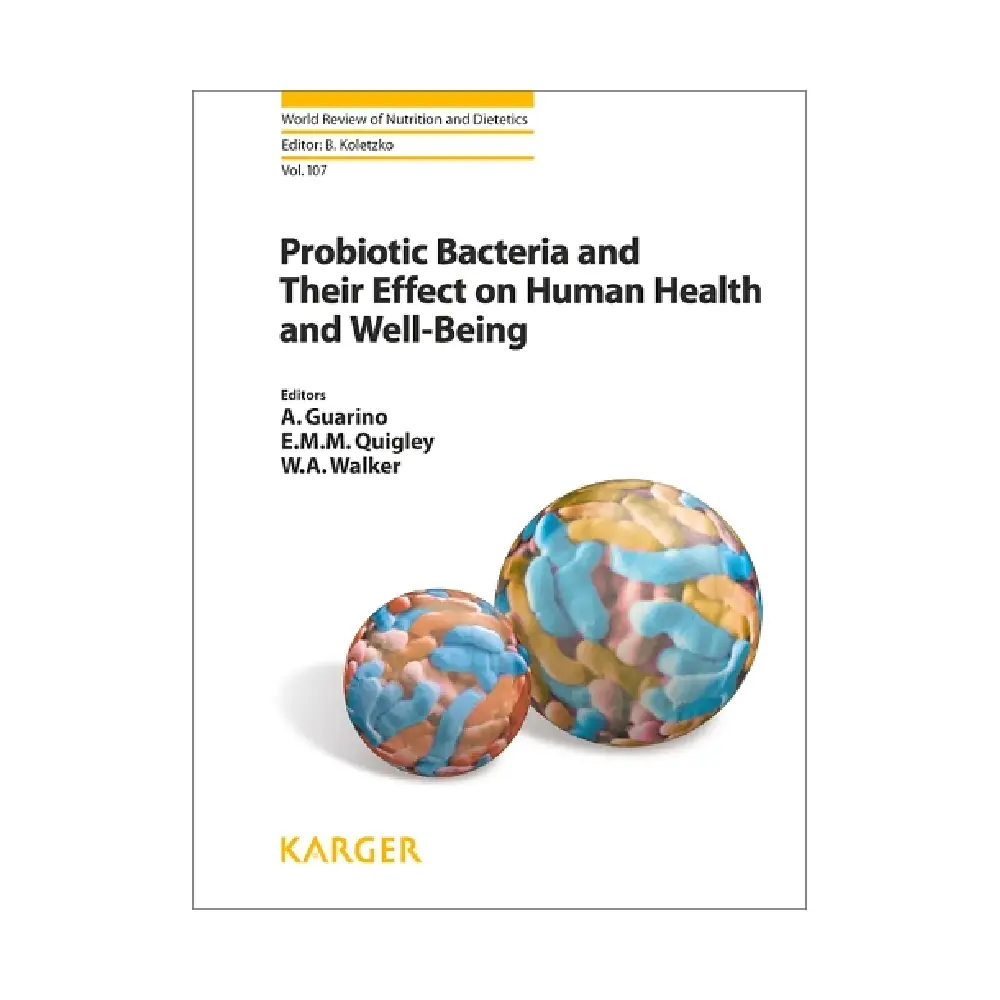
Probiotic Bacteria and Their Effect on Human Health and Well-Being: (Volume-107 World Review of Nutrition and Dietetics)
Probiotic Bacteria and Their Effect on Human Health and Well-Being is a comprehensive scientific volume that explores the expanding field of probiotics and their impact on human health. As part of the respected World Review of Nutrition and Dietetics series, this book provides a detailed examination of the biological mechanisms, clinical applications, and public health implications of probiotic microorganisms.
Over the past few decades, probiotics have transitioned from being a niche topic within microbiology to a major focus in nutrition, medicine, and functional foods research. This volume captures that evolution by integrating molecular biology, immunology, gastroenterology, and clinical medicine into a single, accessible reference work.
Core Themes and Content
1. The Human Microbiota and Probiotics
The book begins by outlining the composition and function of the human gut microbiota. It explains how trillions of microorganisms inhabit the gastrointestinal tract and contribute to digestion, immune regulation, vitamin synthesis, and pathogen defense. The editors provide a scientific framework for understanding how probiotic bacteria—typically species of Lactobacillus and Bifidobacterium—interact with host cells and influence metabolic and immunological pathways.
Mechanisms discussed include:
-
Competitive exclusion of pathogens
-
Enhancement of gut barrier integrity
-
Modulation of immune responses
-
Production of short-chain fatty acids
-
Regulation of inflammatory signaling
These foundational chapters clarify that probiotic effects are strain-specific and depend on dosage, host factors, and environmental influences.
2. Clinical Applications
A major strength of the volume lies in its evidence-based discussion of clinical applications. The book reviews research on probiotics in conditions such as:
-
Acute infectious diarrhea
-
Antibiotic-associated diarrhea
-
Inflammatory bowel disease
-
Irritable bowel syndrome
-
Allergic disorders
-
Atopic dermatitis
-
Lactose intolerance
Each chapter critically evaluates randomized controlled trials and meta-analyses, highlighting both benefits and limitations. The authors emphasize that while many probiotic strains show promise, clinical outcomes vary depending on strain selection and patient characteristics.
3. Immune System Modulation
Another significant section explores how probiotics influence the immune system. The text explains how certain bacterial strains stimulate regulatory T cells, reduce pro-inflammatory cytokines, and support mucosal immunity. These immunomodulatory effects may have implications beyond gastrointestinal health, potentially affecting respiratory infections, autoimmune disorders, and even metabolic diseases.
4. Functional Foods and Safety Considerations
The book also examines probiotics in food systems, including dairy products, fermented foods, and dietary supplements. It discusses regulatory standards, labeling requirements, and quality control challenges. Since probiotic efficacy depends on viable organisms reaching the intestine, issues of storage, formulation, and stability are addressed in detail.
Safety is carefully reviewed. Although probiotics are generally considered safe for healthy individuals, the authors discuss potential risks in immunocompromised patients and neonates. The importance of strain identification and clinical validation is strongly emphasized.
5. Emerging Research Areas
The final chapters explore emerging concepts such as the gut–brain axis, the relationship between microbiota and obesity, and the potential role of probiotics in metabolic syndrome. These forward-looking discussions highlight how microbiome science is reshaping modern medicine and nutrition.
Significance and Audience
This volume serves as a valuable resource for:
-
Clinical nutritionists
-
Gastroenterologists
-
Microbiologists
-
Medical researchers
-
Public health professionals
-
Graduate students in biomedical sciences
By combining mechanistic insights with clinical evidence, the book bridges laboratory research and patient care. It underscores the growing recognition that maintaining a balanced intestinal microbiota is essential for overall health and well-being.
Conclusion
Probiotic Bacteria and Their Effect on Human Health and Well-Being provides a thorough and scientifically grounded exploration of probiotics within the broader context of nutrition and health. It reflects the rapid advancement of microbiome research and its implications for preventive medicine and therapeutic interventions.
As part of the long-standing World Review of Nutrition and Dietetics series, this volume stands as a significant contribution to the understanding of how beneficial microorganisms can support human health, offering both current knowledge and a roadmap for future research in this dynamic field.
Reviews
There are no reviews yet