
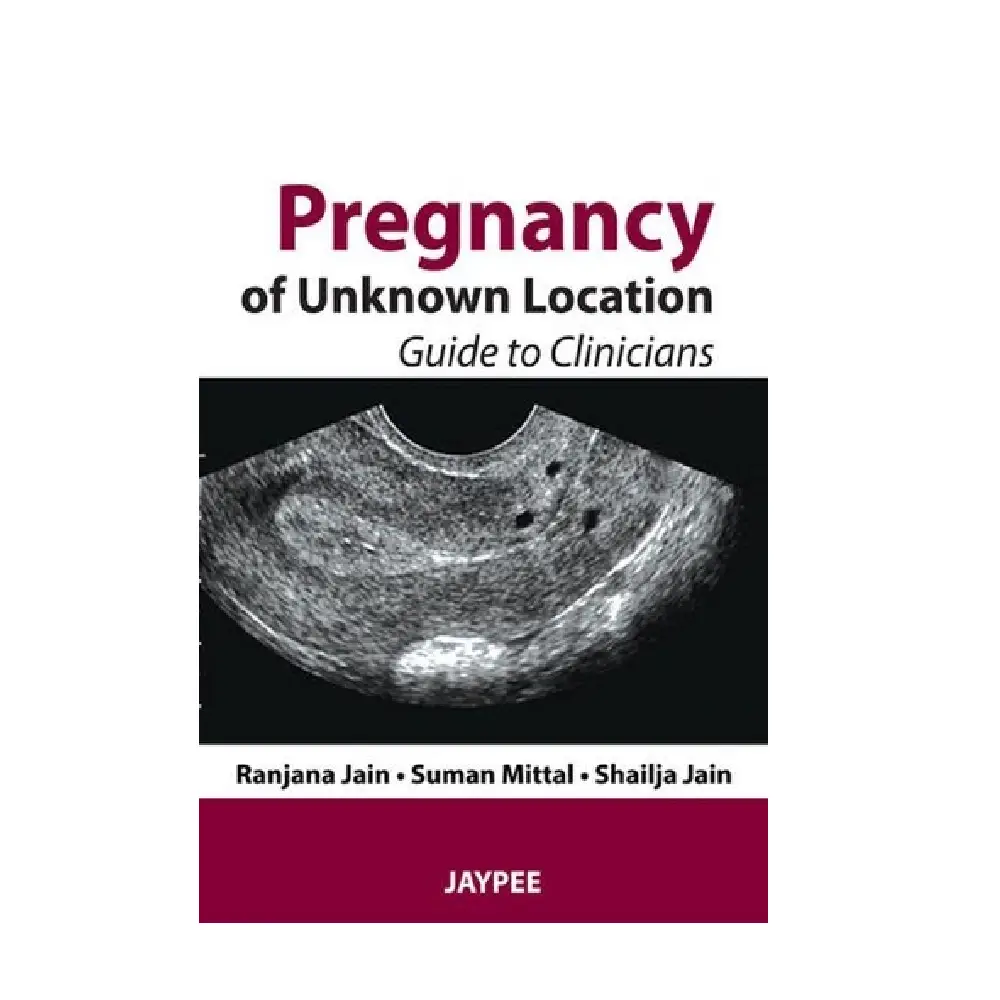


Pregnancy of Unknown Location: Guide to Clinicians
Pregnancy of Unknown Location (PUL) is a clinical situation in which a woman has a positive pregnancy test but transvaginal ultrasonography (TVS) fails to demonstrate either an intrauterine pregnancy (IUP) or an ectopic pregnancy. It is not a final diagnosis but a temporary classification that requires careful follow-up to determine the ultimate outcome. Proper management is essential to avoid missing a potentially life-threatening ectopic pregnancy while also preventing unnecessary intervention in a viable early intrauterine pregnancy.
Definition and Epidemiology
PUL is diagnosed when serum beta-human chorionic gonadotropin (β-hCG) is positive and no gestational sac is visualized within or outside the uterus on TVS. With improved ultrasound resolution and sensitive β-hCG assays, PUL is encountered in approximately 8–15% of women presenting to early pregnancy units with pain or bleeding in early gestation.
The final outcomes of PUL include:
-
Viable intrauterine pregnancy
-
Failing pregnancy (spontaneous miscarriage)
-
Ectopic pregnancy
-
Persisting PUL (rare cases where diagnosis remains uncertain)
Clinical Presentation
Patients commonly present with amenorrhea, vaginal bleeding, and/or lower abdominal pain. Hemodynamic stability must always be assessed first. Signs of shock or acute abdomen warrant immediate evaluation for ruptured ectopic pregnancy and urgent surgical intervention.
A thorough history should include:
-
Last menstrual period (LMP)
-
Previous ectopic pregnancy
-
History of pelvic inflammatory disease
-
Tubal surgery
-
Assisted reproductive techniques
-
Contraceptive use
Risk factors increase the suspicion of ectopic pregnancy but absence of risk factors does not exclude it.
Diagnostic Approach
1. Transvaginal Ultrasonography
TVS is the first-line imaging modality. A gestational sac is usually visible when β-hCG levels exceed the “discriminatory zone,” typically around 1500–2000 IU/L. However, this value varies by institution and ultrasound quality. If β-hCG is above the discriminatory zone and no intrauterine gestation is seen, ectopic pregnancy must be strongly suspected.
Findings suggestive of ectopic pregnancy include:
-
Adnexal mass
-
Tubal ring sign
-
Free fluid in pelvis
-
Extrauterine gestational sac
2. Serial β-hCG Measurements
Serial serum β-hCG measurements taken 48 hours apart are central to management.
-
In a viable intrauterine pregnancy, β-hCG typically rises by at least 35–66% over 48 hours.
-
In failing pregnancies, β-hCG levels decline.
-
In ectopic pregnancies, β-hCG often shows a suboptimal rise or plateau pattern.
However, β-hCG trends alone cannot definitively diagnose ectopic pregnancy and must be interpreted alongside clinical findings.
3. Serum Progesterone
Single serum progesterone measurement can help assess pregnancy viability:
-
Low progesterone (<5 ng/mL) suggests nonviable pregnancy.
-
High progesterone (>20 ng/mL) supports viability but does not confirm location.
Progesterone is useful as an adjunct but cannot determine pregnancy location.
Management Strategies
Management depends on clinical stability and investigation findings.
Expectant Management
In stable patients with declining β-hCG levels and no concerning symptoms, expectant management is appropriate. Serial β-hCG monitoring continues until levels become undetectable.
Medical Management
If ectopic pregnancy is strongly suspected and the patient is stable, methotrexate therapy may be considered. Selection criteria typically include:
-
Hemodynamic stability
-
No fetal cardiac activity
-
β-hCG below defined threshold (commonly <5000 IU/L)
-
No contraindications to methotrexate
Close follow-up with serial β-hCG is mandatory after treatment.
Surgical Management
Indicated when:
-
Patient is hemodynamically unstable
-
Evidence of tubal rupture
-
Persistent pain
-
Contraindication or failure of medical therapy
Laparoscopy is preferred in stable cases; laparotomy may be necessary in emergencies.
Follow-Up and Counseling
Clear communication with patients is critical. PUL can be emotionally distressing due to uncertainty. Patients should be educated about warning symptoms such as severe abdominal pain, dizziness, or heavy bleeding, which require immediate medical attention.
Psychological support may be necessary, especially in cases of pregnancy loss or confirmed ectopic pregnancy.
Special Considerations
-
Assisted reproduction increases the risk of heterotopic pregnancy (simultaneous intrauterine and ectopic pregnancy), which must be considered even when an intrauterine gestation is seen.
-
Rh-negative women with bleeding should receive anti-D immunoglobulin according to local guidelines.
Conclusion
Pregnancy of Unknown Location is a temporary diagnostic category requiring systematic evaluation. The cornerstone of management is careful clinical assessment, serial β-hCG measurement, and high-quality transvaginal ultrasonography. The primary goal is early detection of ectopic pregnancy while minimizing unnecessary intervention in potentially viable intrauterine pregnancies. With structured protocols and close follow-up, most cases can be managed safely and effectively, ensuring optimal outcomes for patients.








Reviews
There are no reviews yet