
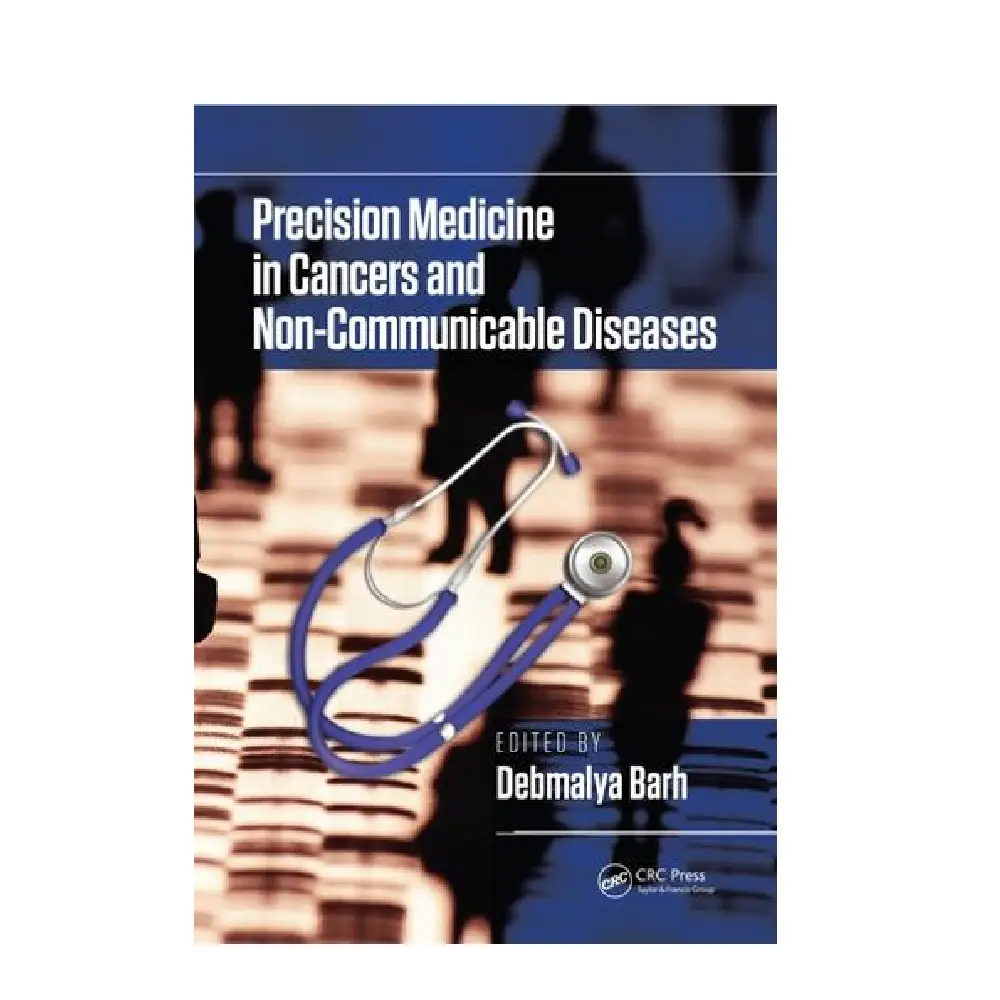

Precision Medicine: A New Era in Healthcare
Precision medicine refers to tailoring disease prevention, diagnosis, and treatment to the individual characteristics of each person — including their genetics, lifestyle, environment, and biological markers. Unlike traditional “one-size-fits-all” medicine, precision medicine uses detailed data to customize care. While the concept applies to many diseases, it has had particularly transformative impact on cancer and is rapidly shaping the management of other non-communicable diseases (NCDs) such as diabetes, cardiovascular disease, and neurodegenerative disorders.
1. Precision Medicine in Cancer
Cancer is a complex group of diseases involving abnormal cell growth driven by genetic changes. Because even tumors of the same type can behave differently between individuals, precision medicine has become crucial.
A. Genomic Profiling
One of the pillars of precision oncology is genomic profiling — sequencing tumors to identify mutations that drive cancer growth. For example:
-
In breast cancer, mutations in BRCA1 and BRCA2 genes can guide the use of PARP inhibitors.
-
In lung cancer, EGFR mutations predict response to EGFR inhibitors (like erlotinib), while ALK rearrangements respond to ALK inhibitors (like crizotinib).
This mutation-based approach allows clinicians to choose targeted therapies that block specific cancer-promoting pathways rather than relying exclusively on chemotherapy.
B. Targeted Therapy and Immunotherapy
Precision oncology has led to the rise of:
-
Targeted therapies — drugs that specifically attack molecular abnormalities in cancer cells (e.g., HER2 blockers in HER2-positive breast cancer).
-
Immunotherapies — treatments that harness the immune system to recognize and kill cancer cells. For instance, PD-1/PD-L1 inhibitors (like pembrolizumab) are used when tumors express specific immune markers.
C. Liquid Biopsies
Advances in technology now allow detection of tumor DNA fragments in blood — known as liquid biopsy. This non-invasive method can:
-
Detect mutations earlier than imaging.
-
Monitor treatment response.
-
Identify emerging resistance mutations to adapt therapy.
D. Precision in Prognosis and Recurrence
Beyond treatment, precision medicine improves prognostication. For example, gene expression profiles can categorize breast tumors into risk groups, helping decide whether chemotherapy is necessary.
2. Precision Medicine in Non-Communicable Diseases
While cancer has seen the earliest and most dramatic success, NCDs — which include diabetes, heart disease, chronic respiratory disease, and neurological disorders — are increasingly benefiting from precision approaches.
A. Diabetes
Type 2 diabetes is not one homogeneous disease but a spectrum of metabolic disturbances. With precision medicine:
-
Genetic and metabolic profiling can identify subtypes of diabetes — some driven by insulin resistance, others by beta-cell dysfunction.
-
Personalized lifestyle interventions (diet, exercise recommendations based on metabolic phenotype) improve outcomes.
-
Pharmacogenomics helps predict which patients respond better to medications like metformin, sulfonylureas, or SGLT2 inhibitors.
B. Cardiovascular Diseases
Precision approaches are being used to:
-
Identify familial hypercholesterolemia — a genetic form of high cholesterol — enabling early treatment to prevent heart attacks.
-
Use genetic risk scores that combine many small gene variants to estimate cardiovascular risk beyond traditional factors like cholesterol and blood pressure.
-
Personalize antiplatelet or anticoagulant choice and dosing based on genetics (e.g., CYP2C19 genotype affects response to clopidogrel).
C. Asthma and Chronic Obstructive Pulmonary Disease (COPD)
In chronic respiratory diseases, precision medicine has:
-
Defined asthma subtypes (e.g., eosinophilic vs. allergic asthma) that respond to biologics targeting specific immune pathways.
-
Personalized therapy approaches that minimize steroid use in patients unlikely to benefit while targeting those most likely to respond.
D. Neurological Disorders
Diseases such as Alzheimer’s and Parkinson’s are increasingly studied through the lens of precision medicine:
-
Genetic insights (e.g., APOE status in Alzheimer’s) help identify at-risk individuals.
-
Biomarkers (from cerebrospinal fluid or imaging) guide early diagnosis and participation in targeted clinical trials.
-
Precision therapeutics aim to modify disease progression by targeting underlying biological mechanisms.
3. Benefits of Precision Medicine
Precision medicine promises multiple advantages:
-
Enhanced efficacy — choosing the right treatment for the right patient improves outcomes.
-
Reduced toxicity — avoiding ineffective therapies spares patients from unnecessary side effects.
-
Cost-effectiveness — while upfront testing may be expensive, avoiding ineffective treatments and complications can reduce overall costs.
-
Early detection and prevention — genetic and biomarker screening identifies high-risk individuals before disease onset.
4. Challenges and Limitations
Despite progress, there are challenges:
A. Data Complexity
Interpreting genetic and multi-omic data requires advanced analytics and infrastructure.
B. Health Inequities
Access to genomic testing and advanced therapeutics is uneven, especially in low-resource settings.
C. Ethical and Privacy Concerns
Genetic data raises privacy issues, potential discrimination, and consent challenges.
D. Cost Barriers
High costs of sequencing and targeted therapies can limit access.
5. Future Directions
The field is rapidly evolving:
-
Artificial intelligence is being used to predict disease risk and treatment response.
-
Multi-omics integration (genomics, proteomics, metabolomics) will provide deeper insights into disease biology.
-
Real-world data from electronic health records and wearable devices will fine-tune personalized interventions.
Conclusion
Precision medicine has already reshaped cancer care by aligning treatment with individual tumor biology. Its application to NCDs is expanding, promising more personalized prevention and therapeutic strategies. As technology advances and data becomes richer, precision medicine is poised to transform how we understand and manage the major diseases driving global morbidity and mortality.








Reviews
There are no reviews yet