
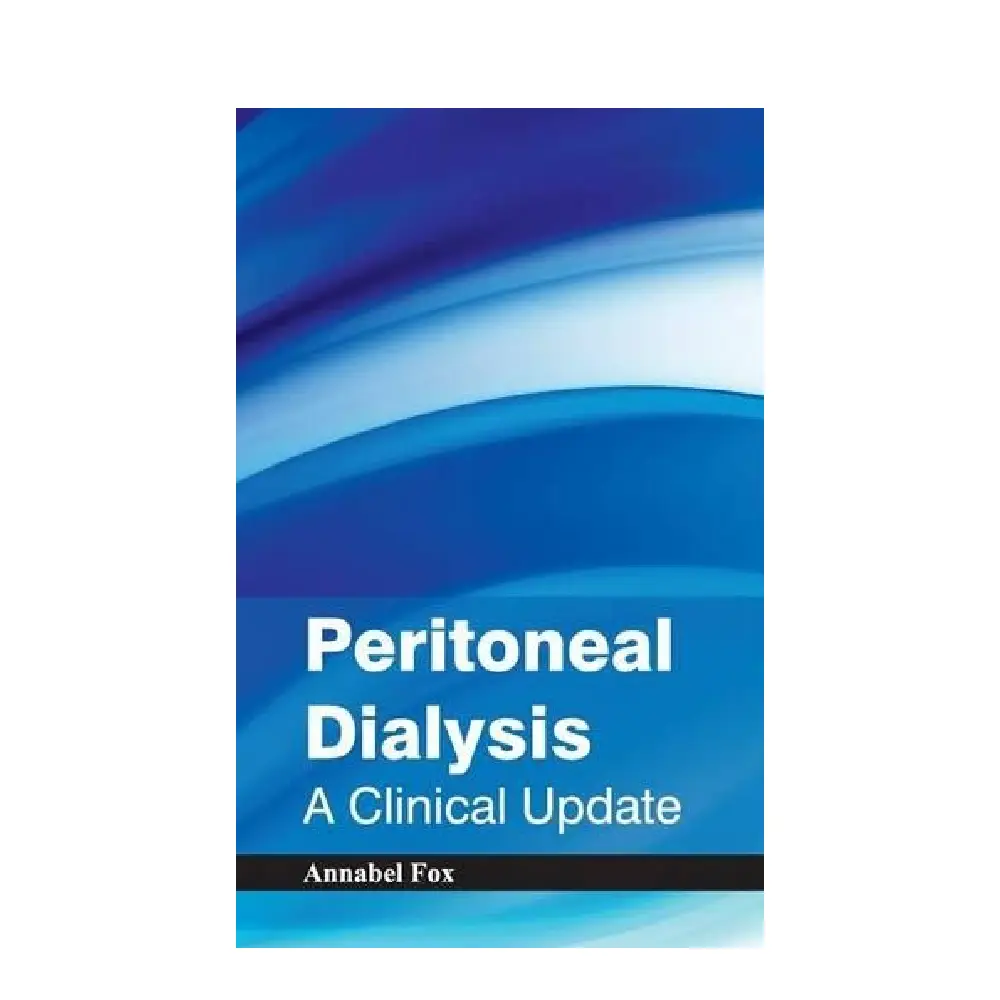
Peritoneal Dialysis: A Clinical Update
Peritoneal Dialysis: A Clinical Update is a modern, clinically oriented text that synthesizes advances in peritoneal dialysis (PD) and provides a practical, evidence-based guide for nephrologists, dialysis nurses, trainees, and allied healthcare professionals. Peritoneal dialysis remains a vital modality for renal replacement therapy in patients with end-stage kidney disease (ESKD), offering flexibility, preservation of residual kidney function, and improved quality of life in carefully selected individuals. This book provides a structured update on both fundamental concepts and cutting-edge developments in PD, blending physiology, technique, patient management strategies, and complications care.
Fundamentals of Peritoneal Dialysis
The text begins with an overview of the physiological principles underlying PD. Unlike hemodialysis, which filters blood extracorporeally, peritoneal dialysis uses the patient’s own peritoneal membrane as a semi-permeable dialysis surface. This membrane, richly vascularized and extensive in surface area, allows solute and fluid exchange between blood capillaries and dialysis solution instilled into the peritoneal cavity. The book clearly explains key concepts such as diffusion, ultrafiltration, and osmotic gradients, helping clinicians understand how solutes like urea, creatinine, and potassium are cleared and how fluid balance is achieved.
The role of transport characteristics—derived from peritoneal equilibration tests (PET)—is described to help tailor dialysis prescriptions. High transporters may absorb glucose rapidly and thus require shorter dwell times, while low transporters may benefit from longer dwells. Understanding such nuances allows for individualized PD regimens that optimize solute clearance and improve patient outcomes.
Types of Peritoneal Dialysis
Two major PD modalities are discussed in depth:
-
Continuous Ambulatory Peritoneal Dialysis (CAPD):
CAPD relies on manual exchanges of dialysis fluid at regular intervals throughout the day. Its simplicity and independence from machines make it a popular choice, especially in settings with limited resources. Practical aspects such as exchange technique, catheter care, and infection control are highlighted. -
Automated Peritoneal Dialysis (APD):
Automated systems use cyclers to perform exchanges overnight, offering convenience for patients who prefer daytime freedom. The book compares CAPD and APD in terms of solute clearance, patient suitability, and quality-of-life considerations.
Catheter Placement and Care
A cornerstone of successful PD is a well-functioning catheter. The book provides up-to-date recommendations on catheter designs and placement techniques—surgical vs. percutaneous—and emphasizes the importance of appropriate exit site location, securement, and tunneling to reduce mechanical complications and infection risk.
Exit site care protocols are described in detail, including daily hygiene routines and use of antimicrobial dressings. Tips on preventing trauma and minimizing biofilm formation are practical and grounded in evidence.
Infection Prevention and Management
Infections—particularly peritonitis and exit-site/tunnel infections—are among the most significant complications in PD. The text dedicates substantial coverage to prevention strategies, including antiseptic technique education, prophylactic topical antibiotics, and routine monitoring.
When infections occur, rapid diagnosis and appropriate therapy are critical. The book outlines empiric antibiotic choices tailored to local microbiologic patterns, the interpretation of dialysate cell counts and cultures, and criteria for catheter retention vs. removal. Special attention is given to fungal peritonitis and multidrug-resistant organisms, which require prompt and aggressive management.
Metabolic and Fluid Management
Chronic kidney disease and dialysis introduce complex metabolic challenges. The book thoroughly reviews strategies for managing fluid balance, sodium restriction, and ultrafiltration failure. Preservation of residual renal function—an important prognostic factor—is emphasized through judicious use of diuretics, avoidance of nephrotoxins, and close monitoring.
Nutrition is discussed in the context of PD patients’ unique needs, including protein losses into dialysate, the risk of malnutrition, and the impact of peritoneal glucose absorption on glycemic control. Practical dietary recommendations and supplement strategies are provided.
Special Populations and Clinical Scenarios
Several chapters address special circumstances in PD care:
-
Pediatric PD: Tailoring prescriptions for children, considerations of growth and development, and psychosocial support for families.
-
Pregnancy on PD: Management modifications for fluid balance and nutrition in pregnant patients with ESKD.
-
Cardiorenal and Nephrotic Cases: Unique fluid and solute management strategies when PD is used in patients with concomitant cardiac or glomerular conditions.
The book also discusses transitioning between PD and hemodialysis, including indications for modality change and considerations during acute illness or technique failure.
Quality Improvement and Patient Education
Empowering patients to manage their own PD effectively is a central theme. The text includes frameworks for patient training, competency assessment, and long-term follow-up. Quality improvement initiatives—such as tracking peritonitis rates, catheter survival, and technique longevity—are integral to a successful PD program.
Emerging Therapies and Future Directions
A forward-looking section explores ongoing research and innovations in PD. Topics such as biocompatible dialysis solutions, glucose-sparing regimens, wearable PD devices, and implantable fluid reservoirs are discussed in the context of improving both clinical outcomes and patient quality of life.
Conclusion
Peritoneal Dialysis: A Clinical Update is both a foundational reference and a contemporary clinical guide. It bridges physiologic principles with practical patient management, infection control strategies, metabolic considerations, and emerging innovations. By synthesizing current evidence and best practices, the book equips clinicians to optimize peritoneal dialysis care, reduce complications, and enhance quality of life for patients living with end-stage kidney disease. Whether for nephrology fellows, dialysis nurses, or experienced clinicians, this book is an essential resource in contemporary renal replacement therapy.

Reviews
There are no reviews yet