
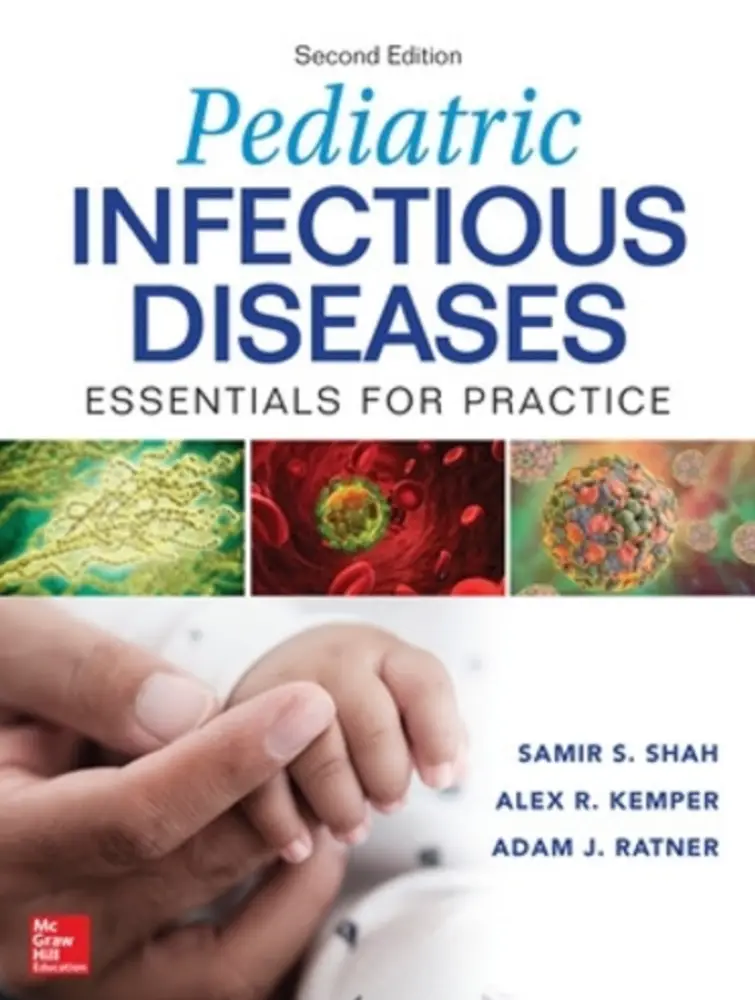

Pediatric Infectious Diseases: Essentials for Practice, 2nd Edition is a concise yet comprehensive resource designed to support clinicians, pediatricians, and healthcare trainees in the diagnosis and management of infectious diseases in children. This updated second edition reflects current clinical guidelines, emerging pathogens, and advances in pediatric care, making it a valuable tool for both everyday practice and academic learning.
The book begins with an overview of fundamental principles in pediatric infectious diseases. It emphasizes how infections in children differ from those in adults due to variations in immune system maturity, developmental physiology, and exposure risks. Understanding these differences is essential for accurate diagnosis and appropriate treatment. The text also highlights the importance of clinical history-taking and physical examination, which remain central to identifying infections in pediatric patients.
A key strength of this edition is its practical, symptom-based approach. Instead of focusing solely on individual pathogens, the book organizes content around common clinical presentations such as fever, rash, respiratory symptoms, gastrointestinal disturbances, and central nervous system infections. This approach mirrors real-world clinical scenarios, allowing practitioners to quickly narrow down differential diagnoses and make informed decisions at the point of care.
The coverage of specific infectious diseases is both thorough and accessible. It includes bacterial, viral, fungal, and parasitic infections commonly encountered in children. Each condition is discussed in terms of etiology, epidemiology, clinical features, diagnostic methods, and treatment options. The text incorporates updated recommendations for antimicrobial therapy, including dosing guidelines and considerations for antibiotic resistance, which is an increasingly important issue in modern medicine.
Vaccination and preventive strategies are also prominently featured. The book outlines current immunization schedules and explains the role of vaccines in reducing the burden of infectious diseases among children. It discusses vaccine-preventable diseases and addresses common concerns related to immunization, helping clinicians educate parents and caregivers effectively.
Another important aspect of the book is its focus on evidence-based practice. The authors integrate the latest research findings and clinical guidelines into their recommendations, ensuring that readers have access to up-to-date information. Tables, charts, and summary boxes are used throughout the text to present key points in a clear and concise manner, enhancing readability and quick reference.
The second edition also addresses emerging and re-emerging infections, including global health concerns and outbreaks that have significant implications for pediatric populations. Topics such as antimicrobial stewardship, infection control, and the management of infections in immunocompromised children are discussed in detail. These sections are particularly relevant for clinicians working in hospital settings or dealing with complex cases.
Case-based discussions and clinical pearls are included to reinforce learning and provide practical insights. These features help bridge the gap between theory and practice by illustrating how to apply knowledge in real-life situations. The book encourages critical thinking and supports the development of clinical reasoning skills, which are essential for effective patient care.
In addition, the text pays attention to the psychosocial aspects of pediatric infections. It recognizes the importance of communication with both children and their families, as well as the need for a compassionate and patient-centered approach to care. Managing anxiety, ensuring adherence to treatment, and providing reassurance are all emphasized as key components of successful outcomes.
Overall, Pediatric Infectious Diseases: Essentials for Practice, 2nd Edition is an essential guide for anyone involved in the care of children. Its practical organization, evidence-based content, and focus on real-world application make it a reliable and user-friendly resource. Whether used in clinical settings or as a study aid, the book equips healthcare professionals with the knowledge and skills needed to effectively manage pediatric infections and improve patient outcomes.




Reviews
There are no reviews yet