
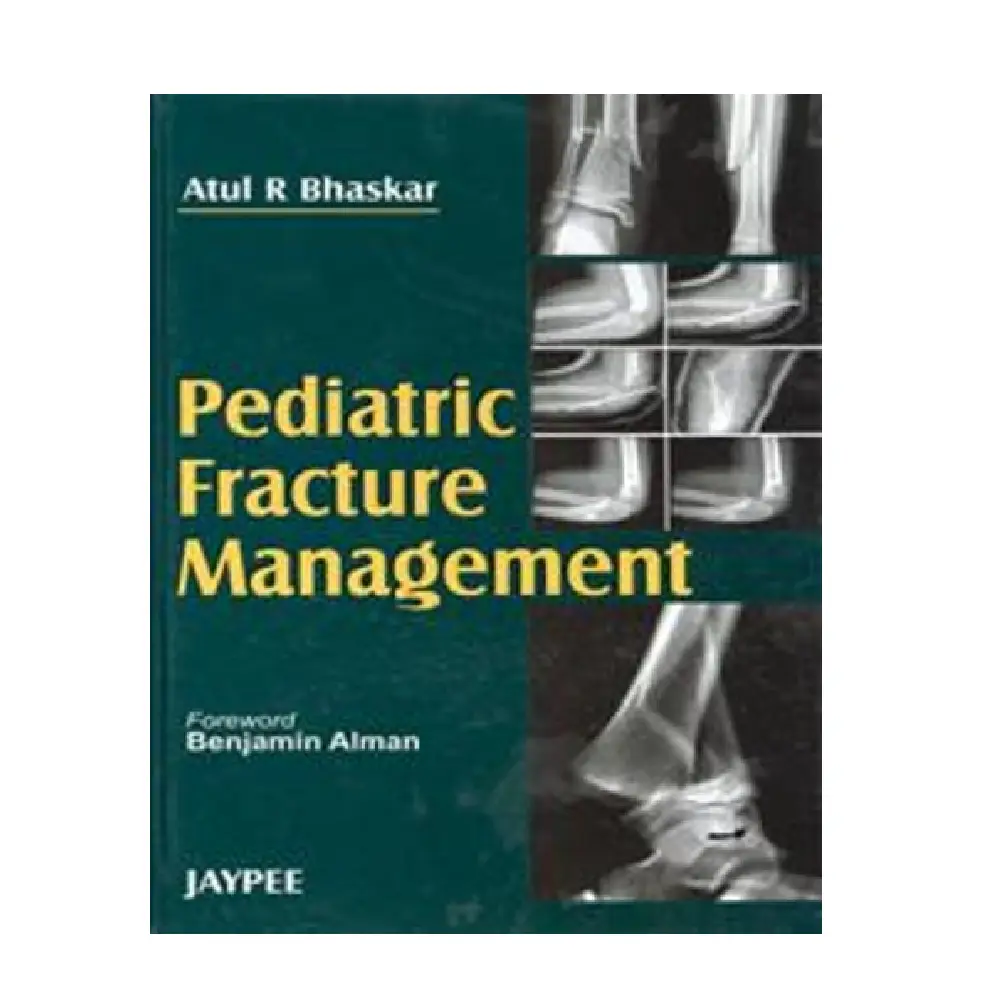

Pediatric Fracture Management
Pediatric fracture management is a specialized branch of orthopedic medicine that focuses on the diagnosis, treatment, and rehabilitation of bone injuries in children and adolescents. Pediatric fractures differ significantly from adult fractures due to the unique anatomical, physiological, and developmental characteristics of growing bones. Effective management requires a deep understanding of these differences, careful evaluation, and appropriate intervention to ensure proper healing and to minimize long-term functional or cosmetic complications.
Children’s bones are more elastic and have a thicker periosteum compared to adult bones. This elasticity often results in distinctive fracture patterns, such as greenstick fractures, buckle (torus) fractures, and physeal (growth plate) injuries. Greenstick fractures involve bending of the bone with a partial cortical break on one side, while the opposite side remains intact. Buckle fractures, commonly seen in the distal radius, occur when the bone compresses under axial load, leading to a bulging of the cortex without complete disruption. Physeal injuries, occurring at the growth plate, are of particular concern because improper healing can disrupt bone growth and lead to angular deformities or limb-length discrepancies.
Initial assessment of pediatric fractures involves a thorough history, including the mechanism of injury, time since trauma, and any prior musculoskeletal conditions. Physical examination focuses on identifying deformity, swelling, tenderness, crepitus, neurovascular compromise, and soft tissue injury. Special attention is given to the assessment of circulation, sensation, and motor function distal to the injury site, as vascular or nerve injury, though rare, may have severe consequences if overlooked. Imaging studies, including X-rays and occasionally advanced imaging such as CT or MRI, are used to confirm the fracture type, assess displacement, and evaluate growth plate involvement.
Management strategies depend on the type, location, and severity of the fracture, as well as the child’s age and skeletal maturity. Non-operative management is the mainstay for most pediatric fractures due to children’s rapid healing and high remodeling potential. This typically involves immobilization with splints or casts to maintain alignment while the bone heals. For example, buckle fractures of the distal radius often require only a removable splint for comfort and protection, whereas displaced fractures may require more rigid casting. Regular follow-up and repeat imaging ensure that alignment is maintained and the healing process is progressing appropriately.
Operative management is reserved for fractures that are severely displaced, unstable, involve open wounds, or threaten neurovascular integrity. Surgical techniques in pediatric fracture management differ from adults, as care must be taken to avoid damage to the growth plate. Options include percutaneous pinning, intramedullary nailing, and external fixation. Minimally invasive approaches are preferred whenever possible to reduce soft tissue trauma, limit scarring, and preserve growth potential.
Special consideration is given to physeal fractures, classified according to the Salter-Harris system (Types I–V). These injuries can lead to growth disturbances if not managed properly. Type I and II fractures usually have favorable outcomes with closed reduction and immobilization, while Type III–V fractures often require precise anatomical reduction, sometimes under surgical guidance, to minimize the risk of growth arrest or angular deformity.
Rehabilitation is a critical component of pediatric fracture management. Early mobilization, as allowed by fracture stability, is encouraged to prevent joint stiffness, muscle atrophy, and functional limitations. Physical therapy may be recommended to restore range of motion, strengthen muscles, and improve coordination. Additionally, children benefit from age-appropriate guidance on activity restrictions, ensuring they resume daily activities, sports, and school safely without compromising fracture healing.
Complications in pediatric fracture management are less common than in adults but can be serious if overlooked. Malunion or nonunion may occur, particularly in cases of improper immobilization or severe initial displacement. Neurovascular compromise, compartment syndrome, infection (especially in open fractures), and growth disturbances from physeal injuries are potential risks. Early recognition and intervention are essential to minimize these outcomes.
Preventive strategies are also emphasized in pediatric fracture care. Education on safe play, use of protective gear in sports, supervision, and fall prevention can reduce the incidence of fractures. Nutritional support, including adequate calcium and vitamin D intake, plays a role in maintaining strong bones and facilitating optimal healing.
In conclusion, pediatric fracture management is a nuanced field that integrates knowledge of child-specific bone physiology, careful clinical assessment, judicious use of immobilization and surgical intervention, and structured rehabilitation. Success depends on timely diagnosis, appropriate intervention tailored to the child’s age and skeletal maturity, and careful monitoring of healing and growth. With proper management, most pediatric fractures heal well, restoring function and minimizing long-term complications, allowing children to return safely to their normal activities.


Reviews
There are no reviews yet