

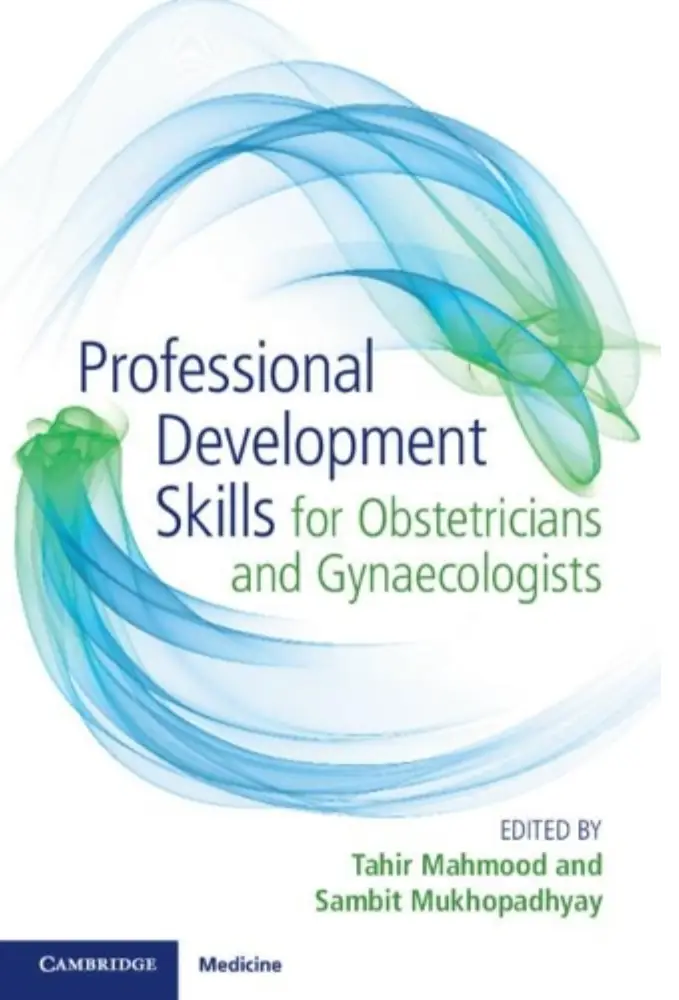

Oxorn-Foote Human Labor and Birth, Seventh Edition
Oxorn-Foote Human Labor and Birth, Seventh Edition is a well-established and authoritative textbook focusing on the physiology and management of normal and abnormal labor. Widely used by obstetricians, midwives, and medical students, the book provides a comprehensive understanding of the processes involved in childbirth, combining scientific principles with practical clinical guidance.
The book begins with a detailed exploration of the physiology of labor. Oxorn-Foote Human Labor and Birth It explains the complex hormonal, biochemical, and mechanical factors that initiate and regulate labor. Key topics include uterine contractility, cervical ripening, and the role of hormones such as oxytocin and prostaglandins. By understanding these mechanisms, healthcare professionals can better assess labor progression and identify abnormalities early.
A significant portion of the text is devoted to the stages of labor. Oxorn-Foote Human Labor and Birth The first stage, involving cervical dilation, is described in detail, including its latent and active phases. The second stage, which involves the descent and delivery of the fetus, is explained with emphasis on maternal effort and fetal positioning. The third stage, concerning placental delivery, and the fourth stage, the immediate postpartum period, are also discussed. The book provides clear descriptions of normal progress as well as variations that may occur.
The authors place strong emphasis on the mechanisms of labor, particularly the movements of the fetus as it passes through the birth canal. These movements, known as the cardinal movements of labor, include engagement, descent, flexion, internal rotation, extension, restitution, and expulsion. Understanding these steps is essential for recognizing normal and abnormal labor patterns.
The book also addresses the management of labor in clinical practice. It provides guidance on monitoring maternal and fetal well-being, including the use of partograms, fetal heart rate monitoring, and clinical examination. Pain management during labor is another important topic, with discussions on both pharmacological methods, such as epidural anesthesia, and non-pharmacological approaches, including breathing techniques and support measures.
Abnormal labor, or dystocia, is covered extensively. The text discusses various causes, such as ineffective uterine contractions, cephalopelvic disproportion, and malpresentation of the fetus. It outlines strategies for diagnosis and management, including augmentation of labor, instrumental delivery, and cesarean section when necessary. This section is particularly valuable for clinicians dealing with complicated deliveries.
Operative obstetrics is another key area covered in the book. It includes detailed descriptions of procedures such as forceps delivery, vacuum extraction, and cesarean section. Indications, techniques, and potential complications are clearly explained, helping practitioners perform these procedures safely and effectively.
The book also highlights the importance of maternal and neonatal safety. It discusses complications such as postpartum hemorrhage, fetal distress, and infections, along with their prevention and management. Emphasis is placed on timely intervention and adherence to evidence-based practices to improve outcomes.
In addition to clinical content, the text incorporates illustrations, diagrams, and charts that enhance understanding of anatomical relationships and labor mechanisms. These visual aids are particularly helpful for students and trainees learning complex concepts.
The seventh edition reflects updates in obstetric practice, incorporating modern guidelines and advances in technology. It emphasizes patient-centered care, informed decision-making, and the importance of respectful maternity care.
In conclusion, Oxorn-Foote Human Labor and Birth, Seventh Edition is a comprehensive and practical resource that provides in-depth knowledge of labor and delivery. Its clear explanations, clinical focus, and updated content make it an essential reference for anyone involved in maternity care, supporting safe and effective management of childbirth.




Reviews
There are no reviews yet