
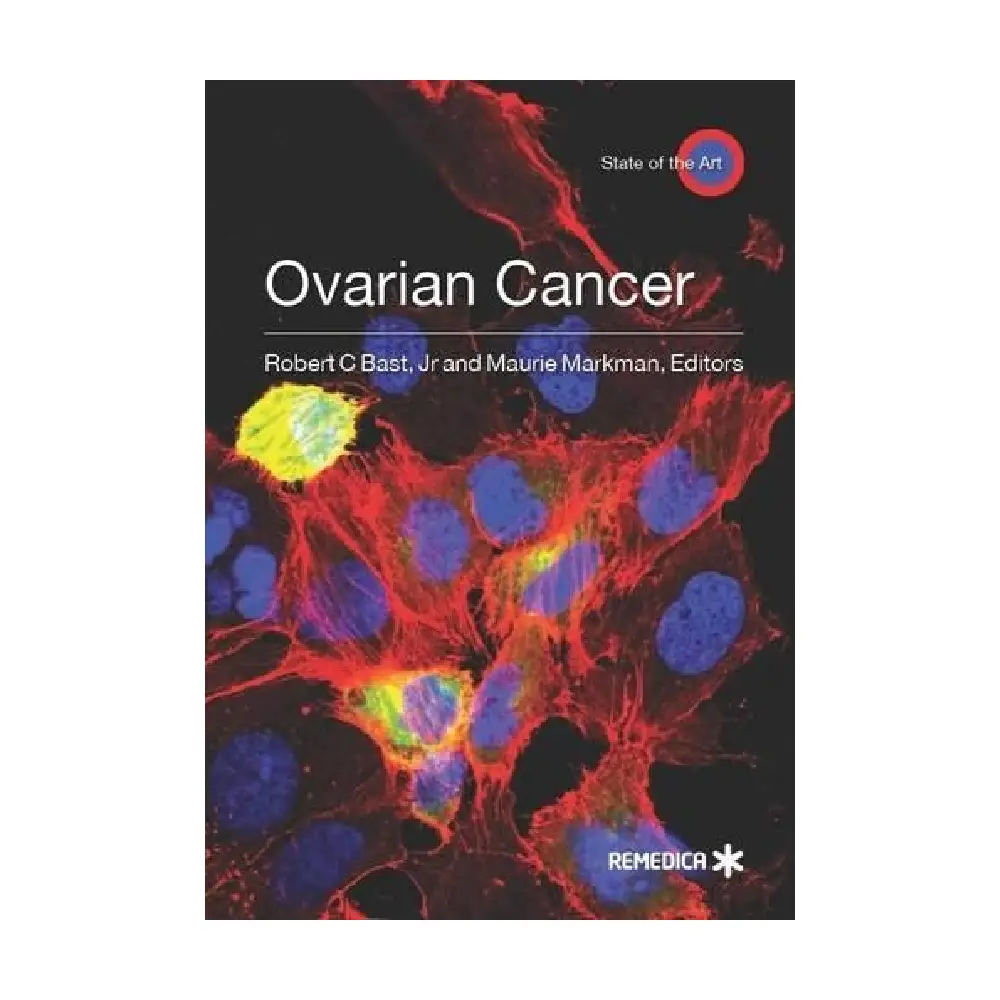

Ovarian Cancer: State of the Art
Ovarian cancer remains one of the most challenging gynecologic malignancies worldwide, largely because it is often diagnosed at an advanced stage. Despite advances in surgery, chemotherapy, and targeted therapy, it continues to carry significant morbidity and mortality. A state-of-the-art approach to ovarian cancer integrates improved understanding of tumor biology, early detection strategies, personalized treatment, and multidisciplinary care.
Epithelial ovarian cancer accounts for approximately 90% of cases, with high-grade serous carcinoma being the most common and aggressive subtype. Increasing evidence suggests that many high-grade serous cancers originate from the distal fallopian tube epithelium rather than the ovarian surface. This paradigm shift has influenced preventive strategies, including opportunistic salpingectomy in women undergoing pelvic surgery for benign indications. Genetic predisposition plays a crucial role, particularly mutations in BRCA1 and BRCA2 genes. Women carrying these mutations have a significantly increased lifetime risk and benefit from genetic counseling, surveillance, and risk-reducing salpingo-oophorectomy.
Screening for ovarian cancer in the general population remains controversial. Large trials such as the UK Collaborative Trial of Ovarian Cancer Screening did not demonstrate a clear mortality benefit from routine screening with CA-125 and transvaginal ultrasound. Therefore, screening is currently recommended primarily for high-risk populations under specialist supervision. Research continues to explore novel biomarkers, liquid biopsy techniques, and multi-analyte assays to improve early detection.
Diagnosis typically involves clinical evaluation, imaging studies, and tumor marker assessment. Symptoms are often vague and nonspecific, including abdominal bloating, pelvic pain, early satiety, and urinary urgency. Transvaginal ultrasound remains the first-line imaging modality, with CT or MRI used for staging and surgical planning. Elevated CA-125 levels are commonly associated with epithelial ovarian cancer but lack specificity, especially in premenopausal women.
The cornerstone of management is cytoreductive surgery combined with platinum-based chemotherapy. Optimal debulking surgery, aiming for no gross residual disease, significantly improves survival outcomes. In selected patients with extensive disease or poor performance status, neoadjuvant chemotherapy followed by interval debulking surgery may be considered. Multidisciplinary tumor boards play a critical role in treatment planning to ensure individualized care.
Recent years have witnessed transformative advances in targeted therapy. Poly (ADP-ribose) polymerase (PARP) inhibitors have emerged as a major breakthrough, particularly for patients with BRCA mutations or homologous recombination deficiency (HRD). Maintenance therapy with PARP inhibitors following response to platinum chemotherapy has significantly prolonged progression-free survival. Agents such as olaparib, niraparib, and rucaparib are now integrated into standard treatment protocols for eligible patients.
Anti-angiogenic therapy has also demonstrated benefit. Bevacizumab, a monoclonal antibody targeting vascular endothelial growth factor (VEGF), is used in combination with chemotherapy and as maintenance therapy in selected cases. Immunotherapy, including immune checkpoint inhibitors, is under active investigation, although its role in ovarian cancer remains less clearly defined compared to other malignancies.
Recurrent ovarian cancer remains a therapeutic challenge. Treatment decisions are guided by the platinum-free interval, distinguishing platinum-sensitive from platinum-resistant disease. Combination chemotherapy, targeted agents, and enrollment in clinical trials are often considered. Personalized medicine approaches, incorporating molecular profiling, are increasingly shaping management strategies.
Fertility preservation is an important consideration in younger patients with early-stage disease. In carefully selected cases, unilateral salpingo-oophorectomy with comprehensive staging may be performed while preserving the uterus and contralateral ovary. Borderline ovarian tumors, which have a more favorable prognosis, are also managed with fertility-sparing approaches when appropriate.
Supportive care is a crucial component of comprehensive management. Patients often face physical, emotional, and psychosocial challenges throughout their treatment journey. Early integration of palliative care, pain management, nutritional support, and psychological counseling enhances quality of life. Survivorship programs address long-term issues such as premature menopause, sexual dysfunction, and fear of recurrence.
Prevention strategies are evolving based on risk assessment. Oral contraceptive use has been shown to reduce ovarian cancer risk. Risk-reducing salpingo-oophorectomy is recommended for high-risk women after completion of childbearing. Increasingly, opportunistic salpingectomy during hysterectomy or sterilization procedures is being adopted as a preventive measure in average-risk women.
In conclusion, the state-of-the-art management of ovarian cancer reflects significant progress in understanding its molecular biology and genetic underpinnings. Advances in targeted therapy, surgical techniques, and personalized medicine have improved outcomes, though challenges remain in early detection and long-term survival. Ongoing research, clinical trials, and multidisciplinary collaboration continue to shape the future of ovarian cancer care, offering hope for improved prognosis and enhanced quality of life for affected women.



Reviews
There are no reviews yet