
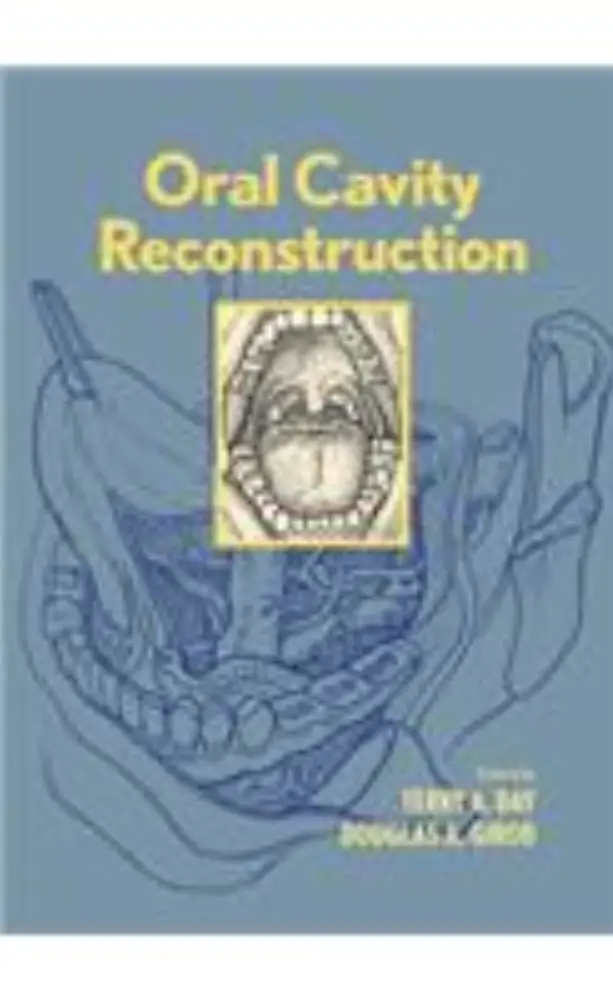

Oral Cavity Reconstruction (HB)
Oral cavity reconstruction is a specialized surgical field focused on restoring the structure and function of the mouth following trauma, tumor resection, congenital defects, or infections. The oral cavity plays a vital role in essential functions such as speech, mastication (chewing), swallowing, and aesthetics. Therefore, reconstruction is not only about physical repair but also about improving the patient’s quality of life.
Reconstruction becomes necessary in conditions like oral cancer, severe facial trauma, osteoradionecrosis, and congenital anomalies such as cleft palate. Among these, cancer-related defects are the most common indication for oral reconstruction. Surgical removal of tumors often results in significant tissue loss, affecting both soft tissues (tongue, lips, mucosa) and hard tissues (mandible, maxilla). The reconstructive surgeon must carefully plan to restore both form and function.
The principles of oral cavity reconstruction include replacing “like with like,” ensuring adequate blood supply, restoring function, and achieving acceptable cosmetic outcomes. Reconstruction can be broadly classified into primary closure, skin grafts, local flaps, regional flaps, and free tissue transfer.
Primary closure is the simplest method, used when the defect is small and surrounding tissues are sufficient. However, larger defects require more advanced techniques. Skin grafts involve transplanting skin from another part of the body, but they are limited in function and durability, especially in moist environments like the oral cavity.
Local and regional flaps are commonly used techniques. These involve transferring tissue from nearby areas while maintaining its original blood supply. Examples include buccal flaps, nasolabial flaps, and submental flaps. These are useful for moderate defects and provide good color and texture match.
For extensive defects, especially after cancer surgery, microvascular free tissue transfer (free flaps) is considered the gold standard. This technique involves transplanting tissue (skin, muscle, bone, or a combination) from distant parts of the body along with its blood vessels. These vessels are then connected to blood vessels in the neck using microsurgery. Commonly used free flaps include the radial forearm free flap, fibula free flap, and anterolateral thigh flap. The fibula free flap is particularly valuable for reconstructing mandibular defects as it provides both bone and soft tissue.
Functional restoration is a key goal in oral reconstruction. The tongue plays a critical role in speech and swallowing, so its reconstruction must allow mobility and sensation. Similarly, reconstruction of the mandible is essential for maintaining facial symmetry, occlusion (bite), and the ability to chew. Dental rehabilitation, including implants, is often incorporated into the reconstructive plan.
Another important aspect is aesthetic outcome. The face is central to identity and social interaction, so achieving symmetry and minimizing visible scars are essential. Surgeons often work closely with prosthodontists, speech therapists, and oncologists to provide comprehensive care.
Postoperative care is crucial for successful outcomes. Patients may require nutritional support, speech therapy, and physiotherapy. Monitoring for complications such as flap failure, infection, and wound breakdown is essential. Advances in surgical techniques and technology have significantly improved success rates, especially in microvascular surgery.
In recent years, innovations such as virtual surgical planning, 3D printing, and computer-assisted design have enhanced precision in oral reconstruction. These technologies allow surgeons to pre-plan bone cuts, design custom implants, and improve overall outcomes.
In conclusion, oral cavity reconstruction is a complex but highly rewarding field that combines surgical expertise with artistic skill. By restoring both function and appearance, it plays a crucial role in helping patients return to normal life after severe oral defects.




Reviews
There are no reviews yet