
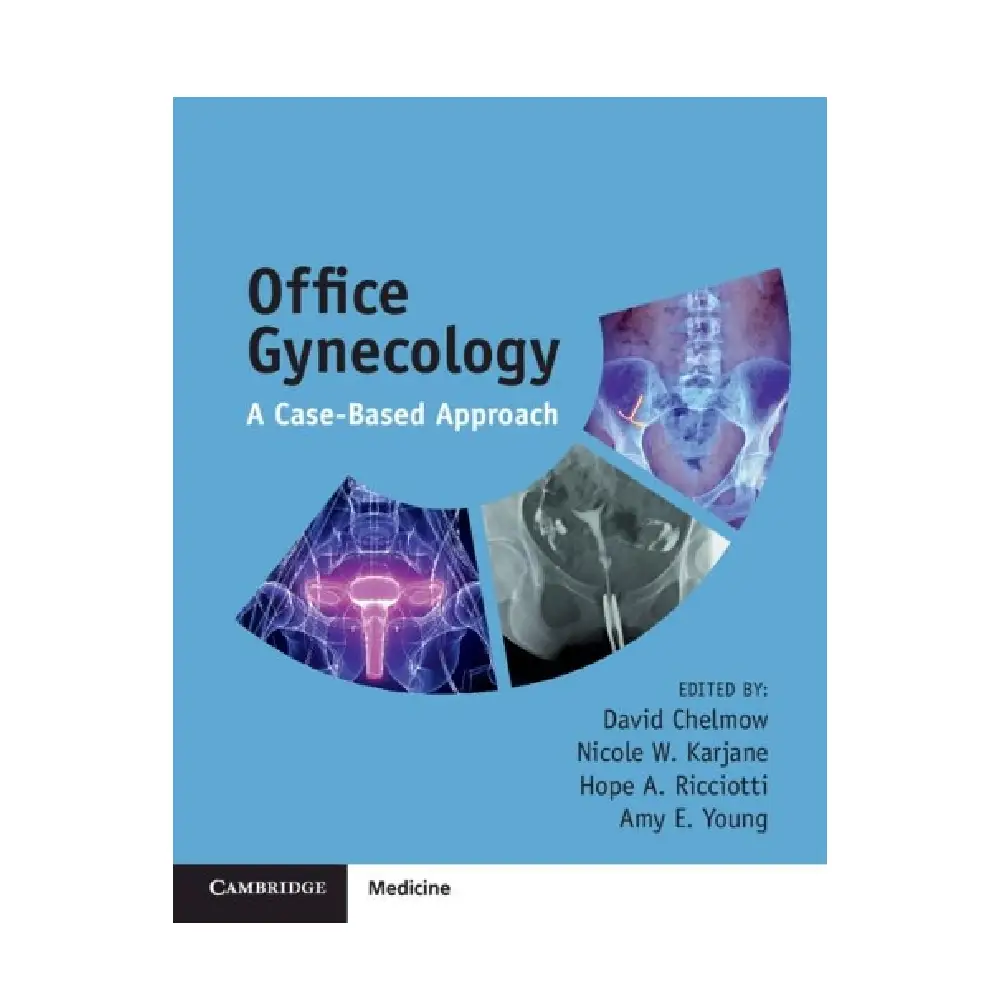

Office Gynecology: A Case-Based Approach
Office Gynecology: A Case-Based Approach is a practical clinical guide designed to help healthcare professionals manage common gynecological conditions encountered in outpatient settings. The book emphasizes real-world clinical decision-making by presenting gynecological disorders through case-based learning. It is especially useful for practicing gynecologists, postgraduate students, and clinicians involved in women’s healthcare services.
The primary focus of the book is to bridge the gap between theoretical knowledge and clinical practice. Instead of purely textbook-style explanations, the content is structured around patient scenarios that mirror everyday office practice. This approach helps readers understand how symptoms present, how investigations are selected, and how treatment decisions are formulated in real clinical situations. The book is aligned with modern trends in medical education that emphasize problem-based learning.
One of the key strengths of the book is its comprehensive coverage of common gynecological complaints encountered in outpatient clinics. It includes detailed discussions on abnormal uterine bleeding, vaginal discharge, pelvic pain, menstrual irregularities, infertility evaluation, and menopausal symptoms. Each case is presented with clinical history, examination findings, differential diagnosis, and step-by-step management strategy. This method helps readers develop diagnostic reasoning skills and improve patient assessment accuracy.
The book also highlights evidence-based management principles. Treatment protocols are discussed in accordance with current clinical guidelines and research findings. Both pharmacological and non-pharmacological management options are explored. Special attention is given to individualized patient care, considering factors such as age, reproductive plans, comorbidities, and patient preferences. This makes the book highly relevant to contemporary clinical practice where personalized medicine is gaining importance.
Another important feature of the book is its emphasis on office-based procedures. Many gynecological conditions can be diagnosed and treated without hospital admission using minimally invasive techniques. Procedures such as cervical screening, colposcopy, endometrial sampling, and management of simple gynecological lesions are explained in a practical manner. The book provides guidance on indications, contraindications, procedural steps, and complication management.
The presentation style of the book is particularly suitable for postgraduate examinations and clinical viva preparation. The case-based format helps readers think like clinicians rather than memorizing isolated facts. It encourages analytical thinking by presenting diagnostic dilemmas and discussing multiple possible approaches before arriving at the final management plan.
Visual aids such as flowcharts, tables, and clinical algorithms are used extensively to simplify complex topics. These features make the book easier to revise and help busy practitioners quickly review important concepts during clinical practice. The language is clear and concise, avoiding unnecessary theoretical elaboration.
Adolescent gynecology and reproductive health counseling are also addressed in the book. Topics such as contraception counseling, sexually transmitted infection prevention, and menstrual health education are discussed with sensitivity to social and psychological aspects. This is important because office gynecology often involves patient education and communication.
Menopausal care is another significant section of the book. Hormone replacement therapy, lifestyle modification, and long-term health monitoring are explained in detail. The book also discusses risks and benefits of hormonal treatment, helping clinicians make safe therapeutic decisions.
The book reflects modern trends in outpatient gynecology where patient-centered care, early diagnosis, and minimally invasive management are emphasized. It is particularly valuable in settings where outpatient management is preferred to reduce healthcare costs and improve patient convenience.
In addition, the book serves as a useful resource for preparing for postgraduate medical examinations such as membership and fellowship assessments in obstetrics and gynecology. The clinical case discussions improve viva performance by helping students articulate diagnostic reasoning and management plans confidently.
Overall, Office Gynecology: A Case-Based Approach is a highly practical clinical companion for modern gynecological practice. Its focus on case-based learning, evidence-based management, and office procedure guidance makes it a valuable resource for both learners and practicing clinicians. The book successfully combines academic knowledge with clinical applicability, supporting improved patient care in outpatient gynecological settings.





Reviews
There are no reviews yet