
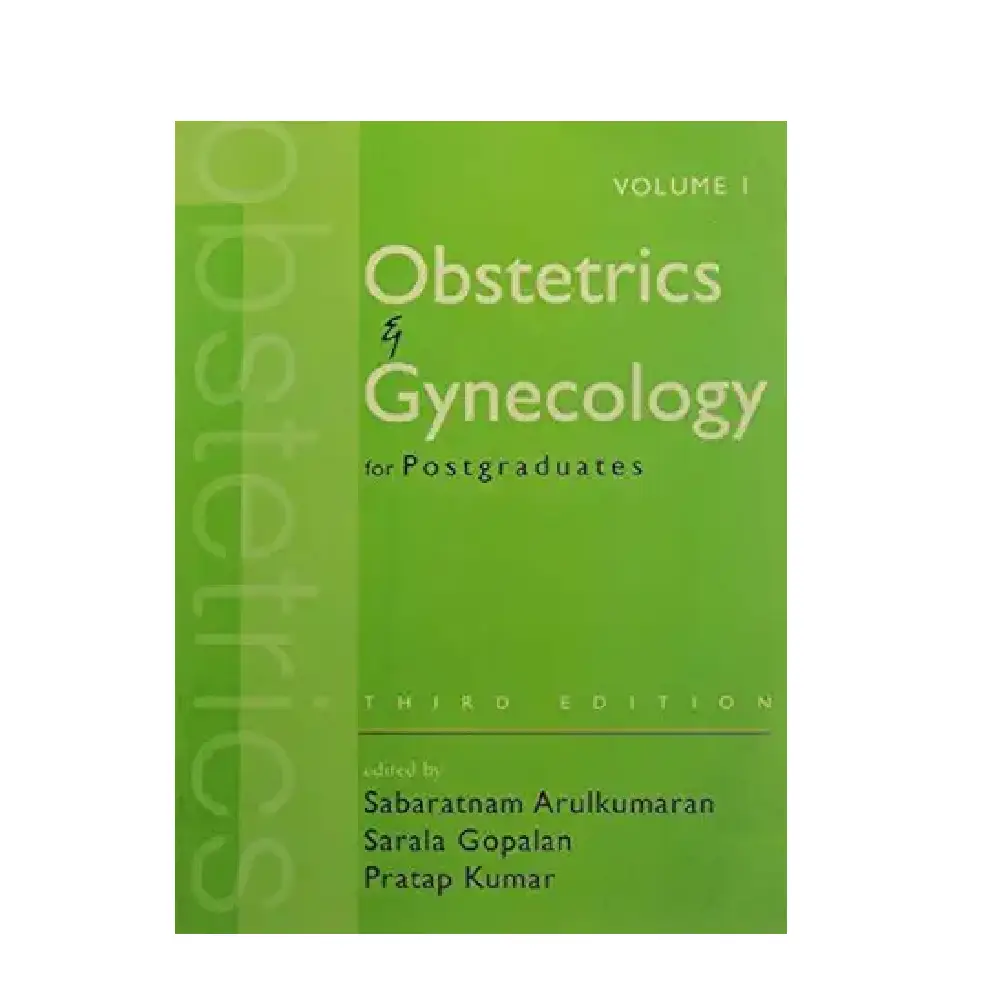

Obstetrics & Gynecology for Postgraduates 3rd Edition
Obstetrics and Gynecology (OBG) for postgraduates is an advanced and comprehensive field of medical training focused on women’s reproductive health, pregnancy, childbirth, and disorders of the female reproductive system. At the postgraduate level, the subject extends beyond basic knowledge to include critical decision-making, evidence-based management, surgical proficiency, and research orientation. It prepares clinicians to manage both routine and complex cases independently while ensuring maternal and fetal safety.
Scope of Postgraduate Training
Postgraduate training in OBG typically spans three years and integrates:
-
Clinical rotations
-
Emergency management
-
Surgical training
-
Academic learning
-
Research and thesis work
The objective is to produce specialists competent in managing normal and high-risk pregnancies, gynecological disorders, infertility, malignancies, and reproductive health issues.
Core Areas in Obstetrics
1. Antenatal Care and High-Risk Pregnancy
Postgraduates must master comprehensive antenatal care, including risk assessment, screening for genetic and medical disorders, and monitoring fetal well-being. Special emphasis is placed on managing:
-
Hypertensive disorders of pregnancy
-
Gestational diabetes mellitus
-
Anemia
-
Rh incompatibility
-
Multiple pregnancies
-
Intrauterine growth restriction
Understanding Doppler studies, fetal surveillance methods, and interpretation of cardiotocography (CTG) is essential.
2. Labor and Delivery Management
Postgraduates are trained to conduct normal deliveries and recognize deviations from normal labor patterns. They must be skilled in:
-
Use of partograph
-
Induction and augmentation of labor
-
Instrumental deliveries (forceps and vacuum)
-
Cesarean section
Managing complications such as shoulder dystocia, postpartum hemorrhage, uterine rupture, and fetal distress is critical. Emergency preparedness and teamwork are emphasized.
3. Obstetric Emergencies
Handling life-threatening conditions is a major component of postgraduate training. These include:
-
Eclampsia
-
Severe preeclampsia
-
Placenta previa
-
Abruptio placentae
-
Amniotic fluid embolism
-
Sepsis
Prompt resuscitation, stabilization, and timely intervention are expected competencies.
Core Areas in Gynecology
1. Benign Gynecological Disorders
Postgraduates manage conditions such as:
-
Fibroid uterus
-
Endometriosis
-
Ovarian cysts
-
Pelvic inflammatory disease
-
Abnormal uterine bleeding
They must understand both medical and surgical treatment modalities, including minimally invasive techniques.
2. Gynecological Oncology
Knowledge of cancers of the cervix, endometrium, ovary, vulva, and vagina is vital. Training includes:
-
Screening protocols (Pap smear, HPV testing)
-
Staging systems
-
Surgical management
-
Chemotherapy and radiotherapy principles
Early diagnosis and multidisciplinary care are key aspects.
3. Infertility and Reproductive Medicine
Evaluation and management of infertility form an important part of postgraduate education. Topics include:
-
Ovulatory disorders
-
Tubal factors
-
Male factor infertility
-
Assisted reproductive techniques (ART)
-
In vitro fertilization (IVF)
Understanding hormonal regulation and reproductive endocrinology is fundamental.
4. Urogynecology and Pelvic Floor Disorders
Postgraduates are trained to manage:
-
Uterine prolapse
-
Stress urinary incontinence
-
Pelvic organ prolapse
Surgical repair techniques and conservative treatments are covered.
Surgical Training
Surgical competence is a cornerstone of postgraduate OBG training. Procedures include:
-
Cesarean section
-
Hysterectomy (abdominal, vaginal, laparoscopic)
-
Myomectomy
-
Ovarian cystectomy
-
Laparoscopy and hysteroscopy
Hands-on training improves dexterity, decision-making, and complication management.
Research and Evidence-Based Practice
Postgraduates are required to complete a thesis or research project. They learn:
-
Study design
-
Biostatistics
-
Data interpretation
-
Ethical principles
Evidence-based medicine ensures updated and standardized patient care.
Communication and Professionalism
OBG specialists frequently deal with emotionally sensitive situations such as infertility, pregnancy loss, and malignancy. Postgraduates must develop:
-
Counseling skills
-
Empathy
-
Informed consent practices
-
Ethical decision-making
Patient-centered care is emphasized throughout training.
Recent Advances
Modern postgraduate education includes:
-
Minimally invasive surgery
-
Robotic-assisted procedures
-
Fetal medicine and intrauterine interventions
-
Advances in contraception
-
Genetic screening
Keeping updated with guidelines and technological advancements is essential.
Conclusion
Obstetrics & Gynecology for postgraduates is a demanding yet rewarding specialty that combines medical knowledge, surgical expertise, and compassionate care. Comprehensive training prepares specialists to manage complex maternal and reproductive health issues effectively. Mastery of clinical skills, emergency management, research, and ethical practice ensures high-quality healthcare delivery. Through dedication and continuous learning, postgraduate trainees evolve into competent obstetricians and gynecologists capable of improving women’s health across all stages of life.





Reviews
There are no reviews yet