
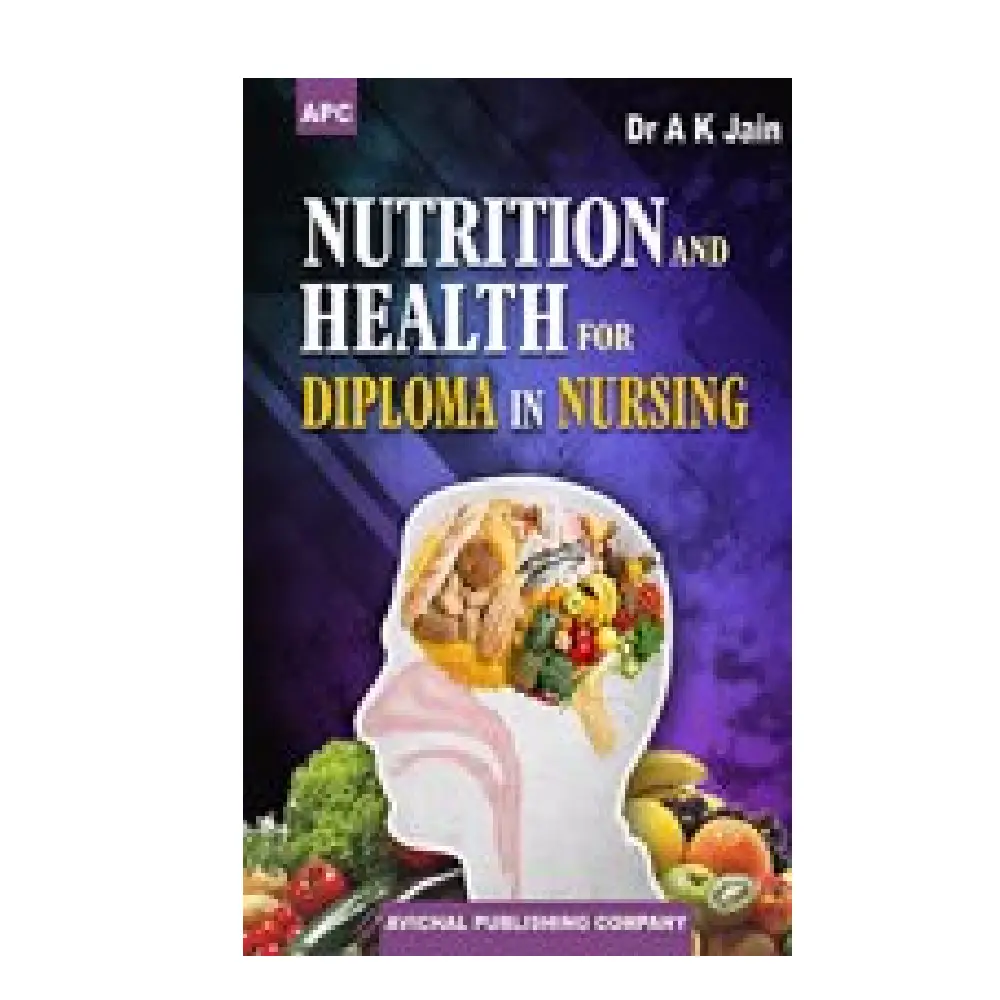
Nutrition and Health for Diploma in Nursing
Nutrition and Health for Diploma in Nursing is a comprehensive textbook designed specifically for diploma-level nursing students. The book focuses on the fundamental principles of nutrition and their application in promoting health, preventing disease, and managing various clinical conditions. Since nurses play a vital role in patient care, dietary guidance, and health education, a clear understanding of nutrition science is essential. This book provides that foundation in a simple, structured, and exam-oriented manner.
Overview
The primary aim of this book is to equip nursing students with the knowledge and practical skills required to assess nutritional needs, plan balanced diets, and provide dietary advice to patients across different age groups and health conditions. It bridges the gap between theoretical nutritional science and bedside clinical practice. Written in clear and straightforward language, the book is tailored to match the syllabus prescribed for diploma nursing programs.
Fundamental Concepts of Nutrition
The book begins with the basics of nutrition, explaining essential terms such as nutrients, balanced diet, malnutrition, metabolism, and energy requirements. It describes the six major classes of nutrients:
-
Carbohydrates
-
Proteins
-
Fats
-
Vitamins
-
Minerals
-
Water
Each nutrient is discussed in terms of sources, functions, recommended daily allowances (RDA), and deficiency disorders. Special emphasis is given to understanding how nutrient deficiencies can lead to conditions such as anemia, rickets, scurvy, goiter, and protein-energy malnutrition.
The concept of a balanced diet is explained using practical examples suitable for different socioeconomic groups, making it highly relevant for community health nursing.
Nutrition Across the Lifespan
One of the key strengths of the book is its coverage of nutritional requirements across various stages of life. It discusses dietary needs for:
-
Infants and young children
-
School-age children
-
Adolescents
-
Adults
-
Pregnant and lactating women
-
Elderly individuals
The text highlights the increased nutritional demands during pregnancy and lactation, focusing on iron, calcium, protein, and folic acid requirements. It also addresses geriatric nutrition, including common issues such as reduced appetite, chronic diseases, and nutrient absorption problems.
Therapeutic Nutrition
The book provides detailed guidance on diet modification in disease conditions. This section is particularly useful for clinical postings and examinations. It explains dietary management for:
-
Diabetes mellitus
-
Hypertension
-
Cardiovascular diseases
-
Renal disorders
-
Liver diseases
-
Gastrointestinal disorders
-
Obesity
-
Undernutrition
Students learn how to plan therapeutic diets such as low-sodium diets, diabetic diets, high-protein diets, and soft or liquid diets for hospitalized patients. Sample diet charts and menu planning exercises help develop practical skills.
Community Nutrition and Public Health
Another important component of the book is community nutrition. It discusses malnutrition as a public health problem and explains national nutrition programs aimed at improving maternal and child health. The role of nurses in nutrition education, growth monitoring, and community awareness campaigns is emphasized.
Topics such as food hygiene, food preservation, and prevention of food-borne illnesses are also included. This knowledge is essential for maintaining patient safety and promoting healthy lifestyles.
Assessment and Practical Skills
The book teaches nursing students how to perform nutritional assessment using methods such as:
-
Anthropometric measurements (height, weight, BMI)
-
Dietary recall
-
Clinical signs of deficiency
-
Laboratory investigations
It also explains the nurse’s role in counseling patients, documenting dietary intake, and collaborating with dietitians and physicians.
Teaching Methodology
Designed with students in mind, the book includes:
-
Simple explanations of complex concepts
-
Tables and charts for quick revision
-
Diagrams illustrating digestion and metabolism
-
Short notes and long-answer questions
-
Case studies and practical exercises
These features make it highly useful for exam preparation as well as clinical application.
Importance for Nursing Practice
Nutrition is closely linked to recovery, immunity, wound healing, and overall well-being. Nurses are often responsible for monitoring food intake, identifying signs of malnutrition, and educating patients about healthy dietary practices. This book helps build competence in these responsibilities.
By understanding nutrition, nurses can:
-
Promote preventive healthcare
-
Improve patient recovery outcomes
-
Reduce complications related to poor diet
-
Support maternal and child health
-
Contribute to community well-being
Conclusion
Nutrition and Health for Diploma in Nursing is an essential textbook that provides a strong foundation in nutritional science tailored specifically for nursing students. It combines theoretical knowledge with practical applications, ensuring that learners can confidently apply dietary principles in both hospital and community settings. With its clear explanations, exam-oriented approach, and clinical relevance, the book serves as a valuable resource throughout nursing education and early professional practice.




Reviews
There are no reviews yet