
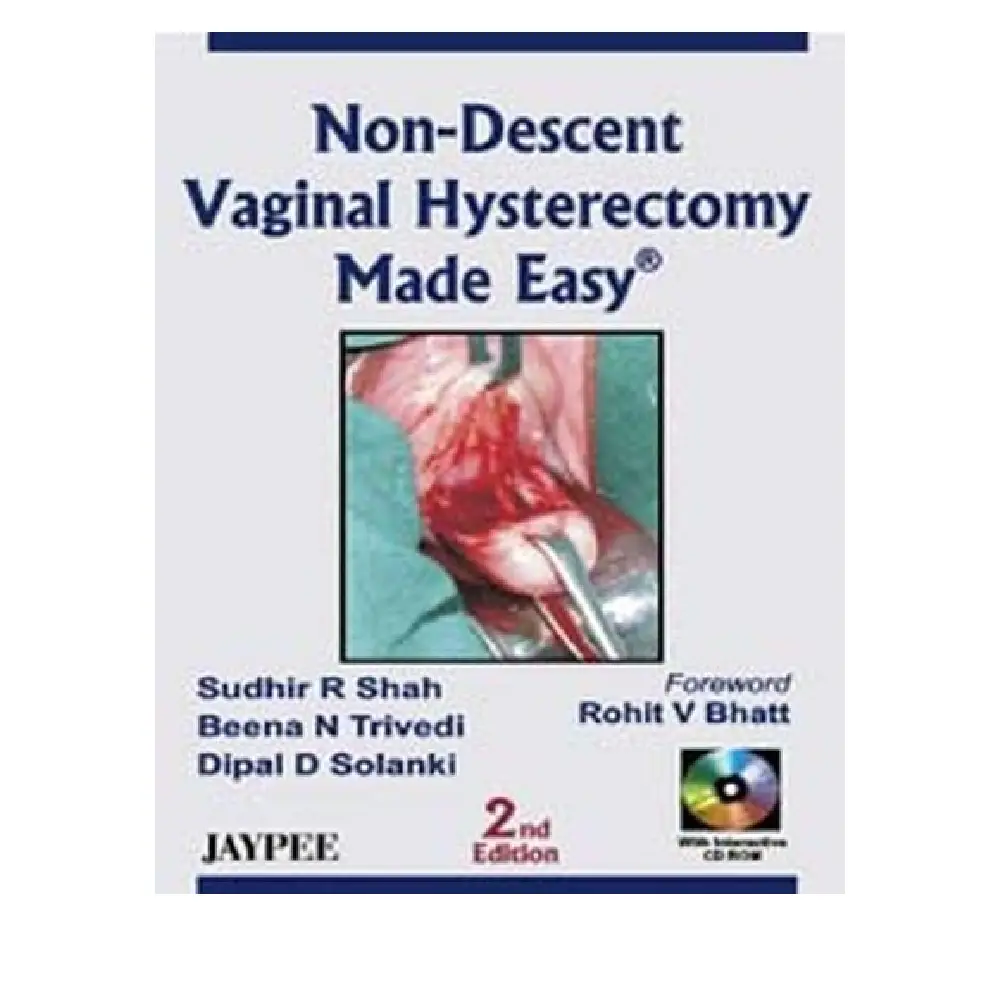


Non-Descent Vaginal Hysterectomy Made Easy
Hysterectomy is one of the most commonly performed gynecological surgeries worldwide, and the vaginal route is widely regarded as the safest and most cost-effective approach. Non-descent vaginal hysterectomy (NDVH) refers to the removal of the uterus through the vaginal route in the absence of uterine prolapse. Although traditionally considered technically challenging, NDVH can be performed safely and efficiently in appropriately selected patients when a systematic, step-by-step approach is followed.
Understanding NDVH and Its Advantages
NDVH is indicated for benign gynecological conditions such as fibroid uterus, adenomyosis, dysfunctional uterine bleeding, and chronic pelvic pain when conservative treatments have failed. Compared with abdominal hysterectomy, NDVH offers several advantages, including shorter operative time, reduced blood loss, minimal postoperative pain, faster recovery, shorter hospital stay, and absence of abdominal scars. It is also more economical and associated with fewer postoperative complications.
Patient Selection and Preoperative Evaluation
Successful NDVH begins with careful patient selection. Ideal candidates include women with a mobile uterus, uterine size up to 12–14 weeks, adequate vaginal access, and benign pathology. Nulliparity, previous cesarean section, or mild endometriosis are no longer absolute contraindications when performed by experienced surgeons.
Preoperative assessment includes detailed history, pelvic examination, ultrasound evaluation of uterine size and adnexa, and routine laboratory investigations. Conditions such as suspected malignancy, large adnexal masses, or severe pelvic adhesions require alternative surgical routes. Preoperative counseling is essential to explain the procedure, benefits, and potential complications.
Preoperative Preparation
Standard preoperative preparation includes bowel preparation if required, prophylactic antibiotics, and thromboembolism prevention. Bladder catheterization is performed to reduce the risk of injury. Proper positioning of the patient in lithotomy position with adequate exposure is crucial for surgical ease.
Step-by-Step Surgical Technique
The procedure begins with circumferential incision around the cervix, followed by careful dissection of the vaginal mucosa from the cervix. The bladder is gently pushed upward to expose the vesicouterine space, while the posterior pouch of Douglas is opened to gain access to the peritoneal cavity.
Sequential clamping, cutting, and ligation of uterosacral and cardinal ligaments provide descent of the uterus. The uterine vessels are identified, secured, and divided with meticulous hemostasis. If the uterus is enlarged, debulking techniques such as bisection, coring, myomectomy, or wedge resection are employed to reduce uterine size and facilitate removal.
Once the uterus is delivered vaginally, adnexal structures are assessed. Salpingectomy or oophorectomy may be performed if indicated. The vaginal vault is closed securely, ensuring adequate support to prevent future vault prolapse.
Managing Intraoperative Challenges
Intraoperative challenges such as bleeding, poor uterine descent, or difficulty in identifying anatomical planes can occur. Gentle traction, proper use of debulking techniques, and patience are key to overcoming these difficulties. Prompt recognition and management of complications such as bladder or ureteric injury are critical to ensuring patient safety.
Postoperative Care and Recovery
Postoperative care includes pain management, early ambulation, bladder care, and monitoring for complications such as bleeding, infection, or urinary symptoms. Most patients recover rapidly and can be discharged within 24–48 hours. Vaginal hygiene, pelvic floor exercises, and follow-up visits are emphasized to ensure optimal recovery.
Complications and Their Prevention
Complications of NDVH are relatively uncommon and include hemorrhage, infection, urinary tract injury, and vault prolapse. Adherence to surgical principles, careful dissection, and appropriate case selection significantly reduce these risks. Surgeon experience plays a pivotal role in minimizing complications.
Conclusion
Non-descent vaginal hysterectomy, when performed using a systematic and step-by-step approach, is a safe, effective, and patient-friendly procedure for benign gynecological conditions. With proper training, patient selection, and use of uterine debulking techniques, NDVH can be made easier and more widely adopted, offering significant benefits over abdominal hysterectomy and improving surgical outcomes and patient satisfaction.




Reviews
There are no reviews yet