
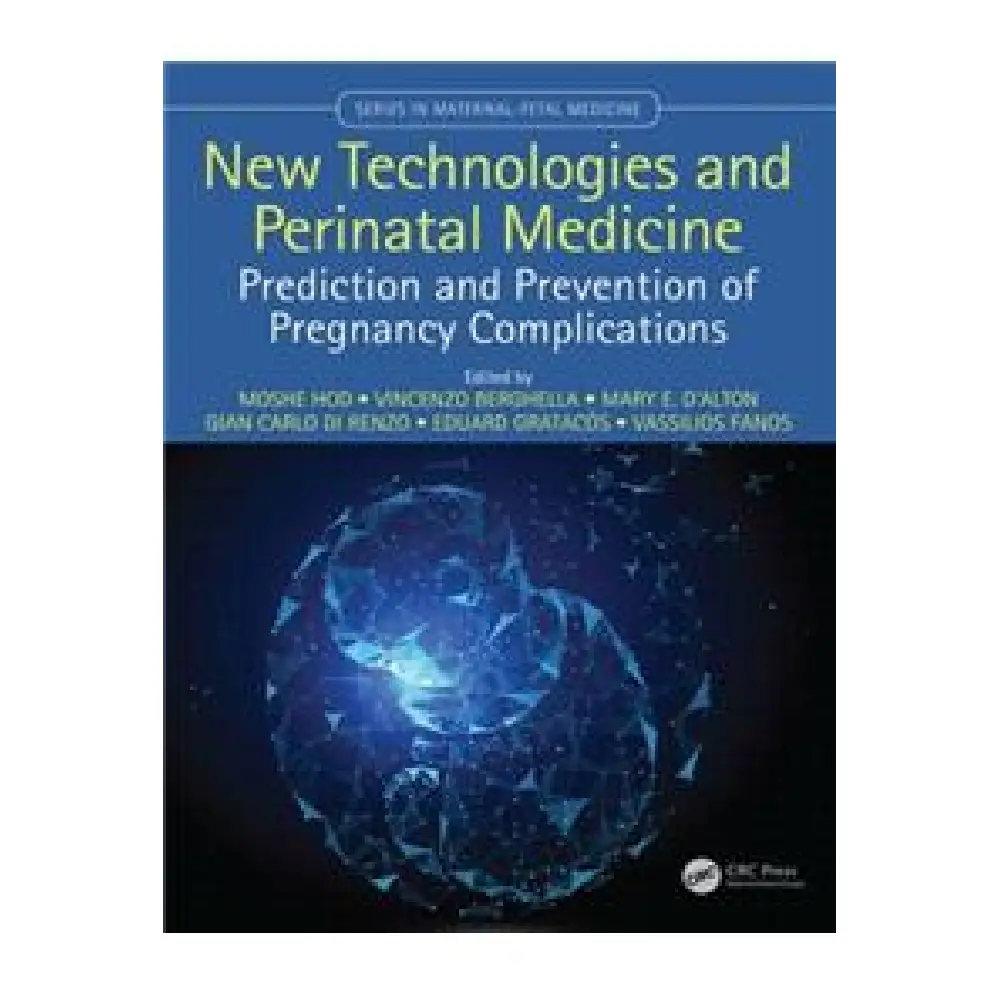


New Technologies and Perinatal Medicine: Prediction and Prevention of Pregnancy Complications
Advances in new technologies and perinatal medicine have revolutionized how clinicians predict, monitor, and prevent complications during pregnancy. Pregnancy complications—notably preterm labor, fetal growth disorders, preeclampsia, gestational diabetes, and chromosomal abnormalities—are major contributors to maternal and neonatal morbidity and mortality worldwide. Early detection and targeted interventions can significantly improve outcomes, and recent technological progress has made this increasingly possible.
The Importance of Prediction and Prevention
Traditionally, prenatal care was reactive—identifying problems once symptoms emerged. However, contemporary perinatal medicine emphasizes prediction (recognizing at-risk pregnancies early) and prevention (applying interventions to reduce risk). This paradigm shift is supported by innovations that enhance physiological understanding, improve diagnostic accuracy, and enable personalized care.
The rationale for prediction and prevention is clear: interventions earlier in pregnancy yield better outcomes. For example, low-dose aspirin started before 16 weeks’ gestation in women at high risk for preeclampsia can reduce the incidence of severe disease. Likewise, timely detection of congenital anomalies enables better perinatal planning and counseling.
Genomic and Molecular Technologies
One of the most transformative areas in perinatal medicine has been genomic and molecular testing. Non-invasive prenatal testing (NIPT), which analyzes cell-free fetal DNA circulating in maternal blood, has become a routine screening tool for chromosomal abnormalities such as trisomy 21, 18, and 13. NIPT offers high sensitivity and specificity early in pregnancy—often as early as 10 weeks—reducing the need for invasive procedures like amniocentesis.
In addition to chromosomal screening, molecular techniques are being applied to detect monogenic disorders and to assess fetal gene expression patterns that may signal placental dysfunction or developmental anomalies. These technologies deepen our understanding of fetal health at a biological level that was previously inaccessible.
Ultrasound Innovations and Imaging
Ultrasound remains central in perinatal care, but modern high-resolution and 3D/4D imaging have expanded its predictive power. Detailed sonographic assessment of nuchal translucency, placental morphology, and fetal anatomy enables early detection of structural anomalies and growth abnormalities.
Doppler ultrasound evaluates blood flow in the umbilical artery, uterine artery, and fetal vessels, helping to detect placental insufficiency and fetal compromise. Abnormal Doppler findings are strong predictors of adverse outcomes like fetal growth restriction and stillbirth, enabling closer monitoring and timely delivery planning.
Advanced imaging modalities such as fetal MRI are used when ultrasound findings are uncertain—particularly for complex central nervous system or thoracic abnormalities—providing enhanced tissue resolution without ionizing radiation.
Biomarkers and Predictive Algorithms
Biochemical markers in maternal blood have been developed to predict common pregnancy complications. For example, Placental Growth Factor (PlGF) and soluble Fms-like tyrosine kinase-1 (sFlt-1) are used in combination to improve prediction of preeclampsia. Elevated sFlt-1 and low PlGF levels correlate with increased risk of early-onset and severe preeclampsia, guiding risk stratification and preventive strategies.
Emerging research utilizes multi-marker algorithms that integrate clinical data, biomarkers, and imaging results to yield personalized risk profiles. These predictive tools enable clinicians to tailor surveillance intensity and preventive interventions based on an individual’s unique risk.
Digital Health and Remote Monitoring
Digital health technologies—wearable devices, mobile applications, and telemedicine platforms—have expanded the scope of perinatal monitoring beyond the clinic. Pregnant women can now track vital signs, glucose levels, and symptoms from home. Remote monitoring systems transmit data to clinicians in real time, permitting early identification of concerning trends.
For women with gestational diabetes, continuous glucose monitoring systems support better glycemic control and reduce adverse outcomes. Similarly, home blood pressure monitoring combined with telehealth consultations improves management of hypertensive disorders during pregnancy.
Artificial intelligence (AI) and machine learning models are being integrated into electronic health records to analyze large datasets and identify patterns predictive of complications. AI-enhanced ultrasound interpretation and risk scoring systems are examples of how data analytics are augmenting clinician decision-making.
Interventions and Preventive Strategies
Prediction must be linked to prevention. Evidence-based interventions have been developed to mitigate risk once high-risk status is identified:
-
Low-dose aspirin for women at high risk of preeclampsia.
-
Progesterone therapy to reduce preterm birth risk in women with a short cervix.
-
Lifestyle and nutritional counseling to prevent excessive gestational weight gain and manage gestational diabetes.
-
Cervical cerclage or pessary placement for cervical insufficiency.
These interventions are most effective when guided by early and accurate risk assessment facilitated by modern technologies.
Ethical and Access Considerations
Despite the promise of new technologies, challenges remain. Access to advanced screening and diagnostic tools is uneven globally, with resource-limited settings facing barriers. Ethical considerations—such as informed consent, privacy of genetic data, and potential anxiety related to predictive testing—must be carefully managed. Clinicians must balance the benefits of early detection with respect for patient autonomy and cultural diversity.
Future Directions
Perinatal medicine continues to evolve with research into omics technologies (proteomics, metabolomics), improved AI models, and integration of genomic data into personalized care algorithms. The goal is to achieve even earlier and more precise prediction of complications and to expand preventive options.
Collaborative, multidisciplinary care models that integrate obstetricians, genetic counselors, maternal-fetal specialists, and data scientists will be key to translating technological advances into better outcomes.
Conclusion
The incorporation of new technologies into perinatal medicine has significantly enhanced the ability to predict and prevent pregnancy complications. Genomic screening, advanced imaging, predictive biomarkers, digital health tools, and AI are reshaping prenatal care into a more proactive, personalized discipline. While challenges remain in access and ethical implementation, the progress in this field represents a major advancement in maternal and fetal health—one that promises safer pregnancies and healthier beginnings for future generations.







Reviews
There are no reviews yet