
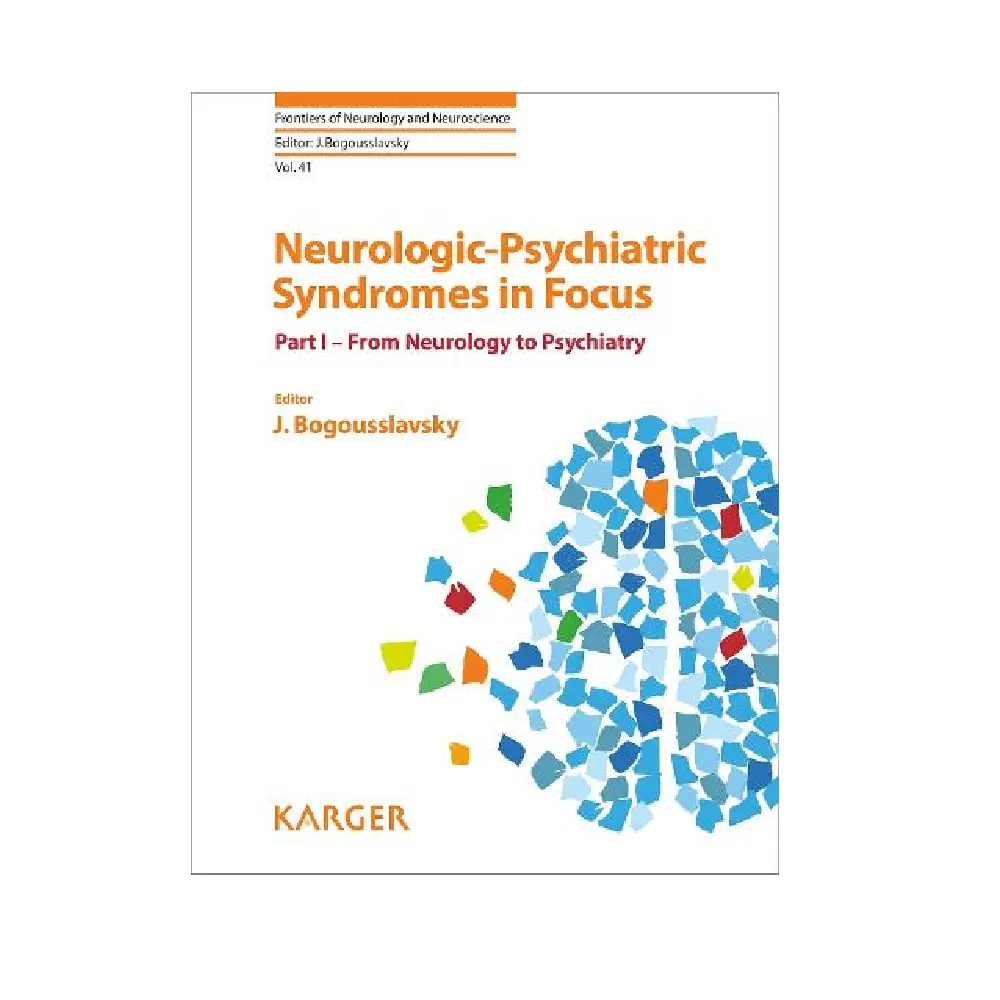

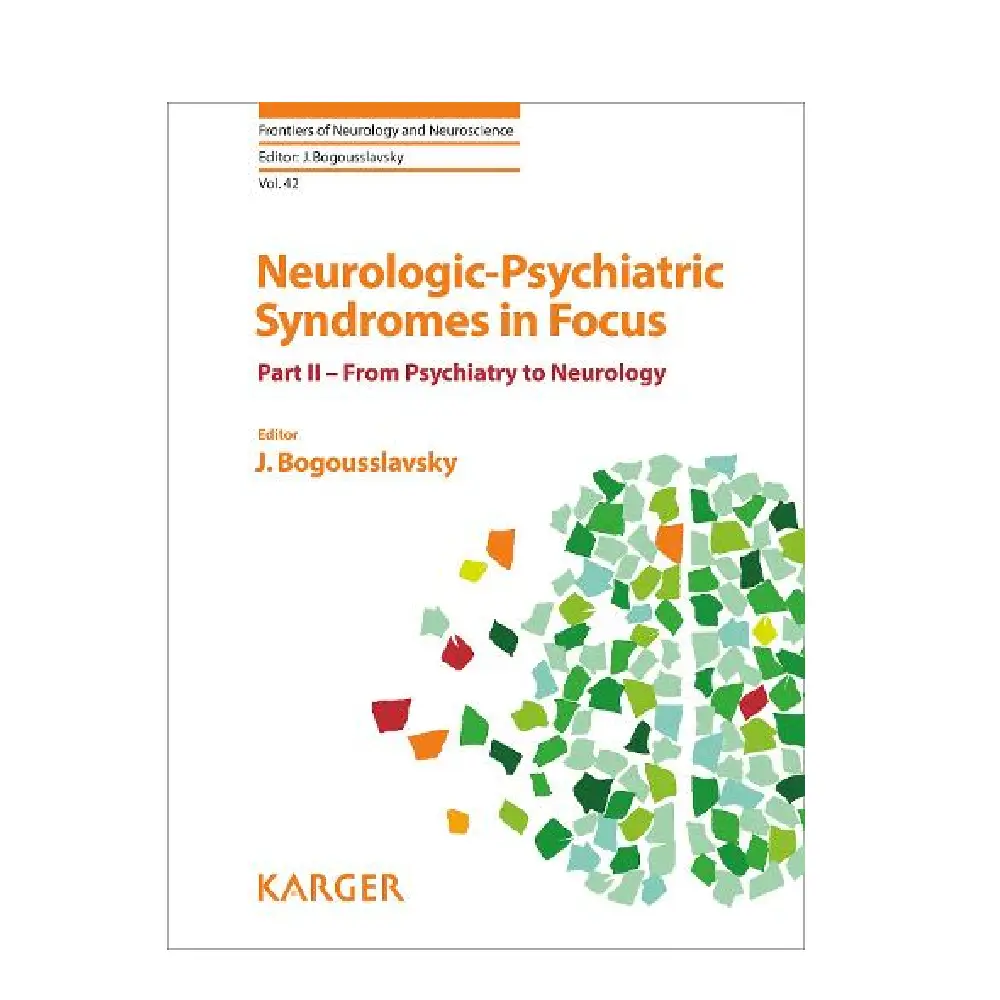
Neurologic–Psychiatric Syndromes in Focus
Neurologic–psychiatric syndromes represent a group of conditions in which neurological disease and psychiatric symptoms coexist, overlap, or interact in complex ways. These syndromes challenge the traditional separation between neurology and psychiatry by demonstrating that disturbances of brain structure or function can give rise to profound changes in mood, behavior, cognition, and personality. Advances in neuroscience, neuroimaging, immunology, and genetics have increasingly highlighted the shared biological foundations of these disorders, emphasizing the need for an integrated clinical approach.
The Interface between Neurology and Psychiatry
Historically, neurology and psychiatry developed as separate disciplines, largely because neurological diseases were associated with visible structural lesions, whereas psychiatric disorders were considered functional or psychological. Modern neuroscience has blurred this distinction. Many neurological disorders, such as epilepsy, Parkinson’s disease, stroke, and multiple sclerosis, are now recognized to have prominent psychiatric manifestations. Conversely, psychiatric conditions such as depression, schizophrenia, and bipolar disorder show clear neurobiological correlates on imaging and molecular studies.
Neuropsychiatry has emerged as a subspecialty dedicated to understanding and managing disorders at this interface, focusing on the brain–behavior relationship and emphasizing multidisciplinary care.
Frontal and Temporal Lobe Syndromes
Damage to the frontal lobes often produces dramatic changes in personality and behavior. Frontal lobe syndromes are characterized by disinhibition, impulsivity, apathy, impaired judgment, and executive dysfunction. Patients may present with socially inappropriate behavior or emotional blunting, leading to misdiagnosis as a primary psychiatric disorder. Causes include traumatic brain injury, tumors, stroke, and neurodegenerative diseases such as frontotemporal dementia.
Temporal lobe dysfunction, particularly in temporal lobe epilepsy, is associated with emotional disturbances, altered consciousness, anxiety, and psychotic symptoms. Interictal mood changes and episodic psychosis highlight the close relationship between epileptic activity and psychiatric expression.
Mood and Anxiety Disorders in Neurological Disease
Depression and anxiety are among the most common psychiatric comorbidities in neurological illness. Post-stroke depression affects a significant proportion of patients and is associated with poorer functional recovery and increased mortality. Similarly, depression and anxiety are highly prevalent in Parkinson’s disease and multiple sclerosis, where they may precede motor or neurological symptoms.
These mood disorders result from a combination of neurobiological changes, including neurotransmitter dysregulation and inflammatory processes, as well as psychological reactions to chronic illness and disability. Recognition and treatment are essential for improving quality of life and overall outcomes.
Psychosis and Neurological Disorders
Psychotic symptoms can occur in a variety of neurological conditions. Parkinson’s disease psychosis, characterized by visual hallucinations and delusions, often emerges in advanced disease and may be exacerbated by dopaminergic therapy. Epilepsy-related psychosis may occur in the peri-ictal or interictal period, presenting diagnostic and therapeutic challenges.
Autoimmune encephalitis has gained increasing attention as a potentially reversible cause of acute psychosis. Patients may initially present with behavioral changes, hallucinations, or catatonia before developing seizures, movement disorders, or autonomic instability. Early recognition and immunotherapy are crucial for favorable outcomes.
Cognitive and Behavioral Syndromes
Cognitive impairment is a central feature of many neurologic–psychiatric syndromes. Disorders such as Alzheimer’s disease, vascular dementia, and frontotemporal dementia are characterized by progressive cognitive decline accompanied by behavioral and psychiatric symptoms. Apathy, agitation, depression, and disinhibition significantly contribute to caregiver burden and institutionalization.
Neuropsychological assessment plays a key role in characterizing cognitive profiles and guiding management strategies.
Functional Neurological and Somatic Syndromes
Functional neurological disorders, previously known as conversion disorders, present with neurological symptoms such as weakness, seizures, or sensory loss without identifiable structural pathology. These syndromes reflect complex interactions between psychological stress, neural networks, and conscious awareness. They require a sensitive and integrated approach that avoids stigmatization while addressing both neurological and psychological factors.
Diagnostic and Therapeutic Considerations
Accurate diagnosis of neurologic–psychiatric syndromes relies on comprehensive evaluation, including clinical assessment, neuroimaging, electroencephalography, laboratory testing, and neuropsychological evaluation. Multidisciplinary collaboration is essential to distinguish primary psychiatric disorders from neurologically driven syndromes.
Treatment strategies are equally integrated, combining pharmacotherapy, psychotherapy, rehabilitation, and social support. Addressing both neurological and psychiatric components leads to improved functional outcomes and patient satisfaction.
Conclusion
Neurologic–psychiatric syndromes illustrate the inseparable nature of brain and behavior. By focusing on the shared biological and psychological foundations of these conditions, clinicians can move beyond artificial disciplinary boundaries and provide holistic, patient-centered care. Continued research and collaboration across neurology and psychiatry will further enhance understanding and treatment of these complex and clinically significant syndromes.


Reviews
There are no reviews yet