
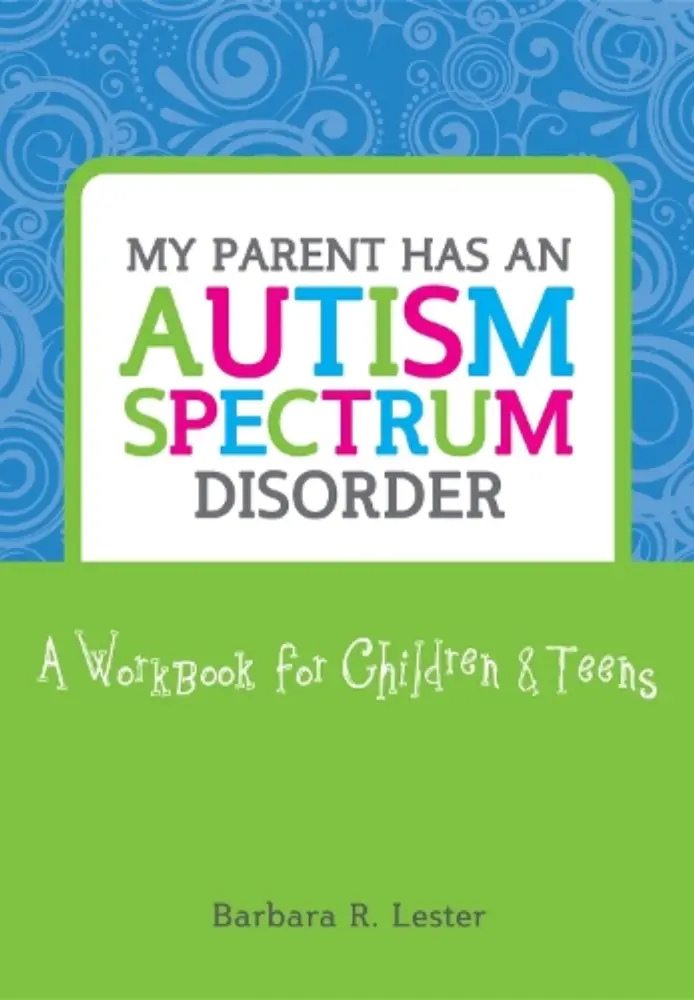


My Parent Has an Autism Spectrum Disorder: A Workbook for Children and Teens is a supportive and educational workbook written by Barbara R. Lester. The book is designed to help children and teenagers understand what it means to have a parent with Autism Spectrum Disorder (ASD) and how this condition may influence family relationships and everyday life. Published by Jessica Kingsley Publishers in 2011, the workbook combines explanations, activities, and reflective exercises to help young readers develop empathy and communication skills within their families.
The main aim of the workbook is to help children and adolescents understand why their parent may behave differently from other parents. Growing up with a parent who has ASD can sometimes be confusing for young people because autism can affect communication, social interaction, routines, and emotional expression. The author explains these differences in clear, child-friendly language so that readers can better understand their parent’s strengths as well as their challenges.
One of the strengths of the book is its emphasis on perspective-taking. The workbook encourages children to think about how the world might appear from the point of view of a parent with autism. For example, individuals on the autism spectrum may experience difficulties with interpreting body language, understanding figurative language, or managing sensory input. By learning about these characteristics, children can gain a deeper appreciation of why certain behaviors occur and how they are connected to autism rather than intentional actions.
The book also discusses common topics that may arise in families affected by ASD. These include social and emotional differences, communication challenges, strong personal interests, sensory sensitivities, and the importance of routines. For instance, a parent on the spectrum may prefer predictable schedules or have intense interests in specific subjects. The workbook helps children understand that these traits are part of autism and not a reflection of how much their parent cares for them.
A unique feature of the workbook is its interactive structure. Each chapter ends with worksheets or activities that the child and parent can complete together. These exercises are designed to encourage open conversation, strengthen family relationships, and help both individuals express their feelings and experiences. By working through the activities, families can identify potential areas of misunderstanding and develop practical strategies to handle challenges.
The workbook also addresses situations children may encounter outside the home. For example, children might wonder how to explain their parent’s behavior to friends, teachers, or classmates. The book provides guidance on discussing autism with others while respecting the privacy and preferences of the parent. This helps children feel more confident when navigating social situations related to their family circumstances.
Another important aspect of the text is its focus on strengths. Rather than portraying autism only as a challenge, the workbook highlights positive qualities that many individuals with ASD possess, such as creativity, honesty, dedication to interests, and unique ways of thinking. This balanced approach helps children see their parent’s identity in a more positive and respectful light.
The author brings both professional and personal experience to the topic. As a licensed clinical social worker who works with families affected by autism—and as someone whose own father was on the autism spectrum—Barbara Lester provides insights that are both compassionate and practical. This perspective allows the workbook to address real-life situations faced by families dealing with ASD.
Overall, My Parent Has an Autism Spectrum Disorder: A Workbook for Children and Teens serves as a valuable educational and emotional resource. By combining clear explanations with interactive activities, the book helps young readers better understand autism, improve communication with their parent, and build stronger family relationships. It is suitable for children and teenagers of various ages and can also be used by counselors, educators, and therapists who support families affected by autism.








Reviews
There are no reviews yet