
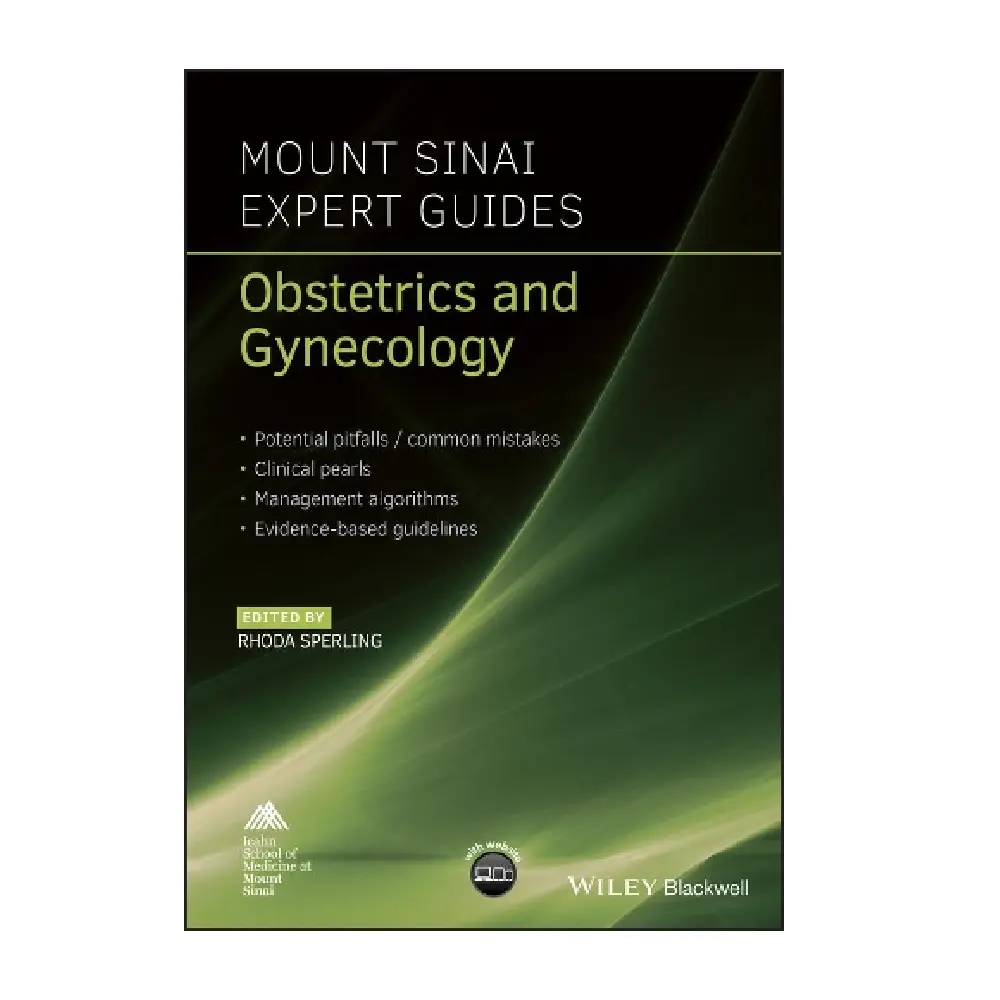
Mount Sinai Expert Guides: Obstetrics and Gynecology
Mount Sinai Expert Guides: Obstetrics and Gynecology is a practical, evidence-based clinical reference designed to support physicians, residents, and trainees in daily patient care across the full spectrum of women’s health. Authored and edited by clinicians from the Icahn School of Medicine at Mount Sinai and its affiliated departments of obstetrics and gynecology, this guide combines foundational knowledge with real-world applicability. It bridges the gap between comprehensive textbooks and fast-access clinical tools—making it especially useful in busy clinical settings such as labor wards, outpatient clinics, and surgical theaters.
The guide belongs to the Mount Sinai Expert Guides series, a growing collection of point-of-care resources covering core medical specialties. In this obstetrics and gynecology edition, the focus is on practical diagnosis, management pathways, and clear algorithms derived from both evidence and expert consensus.
Clinical Focus and Audience
Unlike encyclopedic textbooks, this expert guide is constructed with clinical decision-making as its primary goal. It is intended for:
-
Obstetricians and gynecologists
-
Maternal–Fetal Medicine specialists
-
Gynecologic surgeons
-
Residents and postgraduate trainees
-
Midwives and advanced practice providers
-
Physicians preparing for board or specialty exams
By emphasizing succinct, high-yield clinical content, it helps readers make informed decisions at the bedside without sacrificing depth or accuracy.
Structure and Organization
The book is organized into two major care domains:
-
Obstetrics
-
Gynecology
Each section supports step-by-step evaluation and management of common and complex clinical presentations.
Obstetrics: From Prenatal Care to Delivery and Beyond
The obstetrics section spans the continuum of pregnancy, with concise chapters that include:
Prenatal Care and Risk Assessment
This portion outlines principles of initial evaluation, routine screening laboratories, aneuploidy risk assessment, and preventive counseling. It includes algorithms for:
-
First-trimester screening
-
Fetal anatomy survey and diagnosis of anomalies
-
Preconception optimization
Updated guidance on vaccination in pregnancy—such as influenza and Tdap—is presented alongside risk stratification tools.
High-Risk Pregnancy Management
Chapters focus on evidence-based approaches to:
-
Hypertensive disorders: Preeclampsia screening, aspirin use, and inpatient management
-
Gestational diabetes: Diagnostic criteria, pharmaceutical and dietary interventions
-
Preterm labor: Tocolysis options, corticosteroid administration, and long-term outcomes
-
Fetal growth restriction: Surveillance strategies and timing of delivery
Each topic includes clear clinical pointers, thresholds for intervention, and recommended monitoring schedules.
Intrapartum Care
The section on labour and delivery emphasizes:
-
Normal labour progress and partograph interpretation
-
Indications for induction and augmentation
-
Analgesia options including epidural anesthesia
-
Shoulder dystocia maneuvers and other obstetric emergencies
-
Cesarean indication and surgical considerations
This portion blends practical technique with best-practice safety measures.
Postpartum and Neonatal Considerations
After delivery, attention shifts to:
-
Uterine involution and postpartum hemorrhage prevention
-
Lactation support and breastfeeding challenges
-
Thromboembolism prophylaxis in postpartum patients
-
Neonatal adaptation and screening
Evidence-based checklists allow clinicians to standardize care while adapting to individual patient needs.
Gynecology: Comprehensive Evaluation and Treatment
The gynecology section addresses both common ambulatory complaints and operative management:
Abnormal Uterine Bleeding
This frequently encountered issue is approached through:
-
Classification systems (PALM-COEIN)
-
Stepwise evaluation including labs and imaging
-
Medical management options
-
Surgical interventions when indicated
Clear decision trees help clinicians progress from benign etiologies to appropriate referrals.
Reproductive Endocrinology
Topics include:
-
Polycystic ovary syndrome (PCOS) evaluation and metabolic considerations
-
Infertility workups and baseline investigations
-
Hormonal dysfunction and amenorrhea
Treatment strategies balance evidence with patient-centered care goals.
Pelvic Pain and Endometriosis
The guide covers:
-
Differential diagnoses for chronic pelvic pain
-
Indications for diagnostic laparoscopy
-
Medical vs surgical management of endometriosis
Emphasis is placed on minimizing unnecessary interventions while improving quality of life.
Benign Gynecologic Surgery
Principles of minimally invasive surgery are outlined, including indications and perioperative management for:
-
Laparoscopic and hysteroscopic procedures
-
Myomectomy
-
Ovarian cystectomy
Safety checklists, instrument considerations, and patient counseling tips enhance practical utility.
Gynecologic Oncology Overview
A concise review of:
-
Screening recommendations for cervical and endometrial cancer
-
Diagnostic algorithms for adnexal masses
-
Principles of staging and referral
The section highlights when referral to specialized cancer care is most appropriate.
Educational Strengths
The guide includes many features that enhance learning and clinical use:
-
Algorithms & Flowcharts: Rapid clinical decision support
-
Tables & Summaries: Quick comparisons of differential diagnoses
-
High-Yield Bullets: Quick revision for exams and clinical rounds
-
Evidence Grading: Incorporation of current guideline recommendations where available
The writing prioritizes clarity, relevance, and applicability, making it a suitable resource not only for clinical practice but also for examination preparation.
Conclusion
Mount Sinai Expert Guides: Obstetrics and Gynecology distills complex clinical practice into manageable, evidence-based frameworks. Its bedside-oriented approach assists clinicians in making correct diagnostic and therapeutic decisions swiftly, while its high-yield content supports ongoing professional development and exam readiness. Whether in the labour room, outpatient clinic, or academic setting, this guide serves as a trusted companion to optimize care across the varied landscape of women’s health.


Reviews
There are no reviews yet