
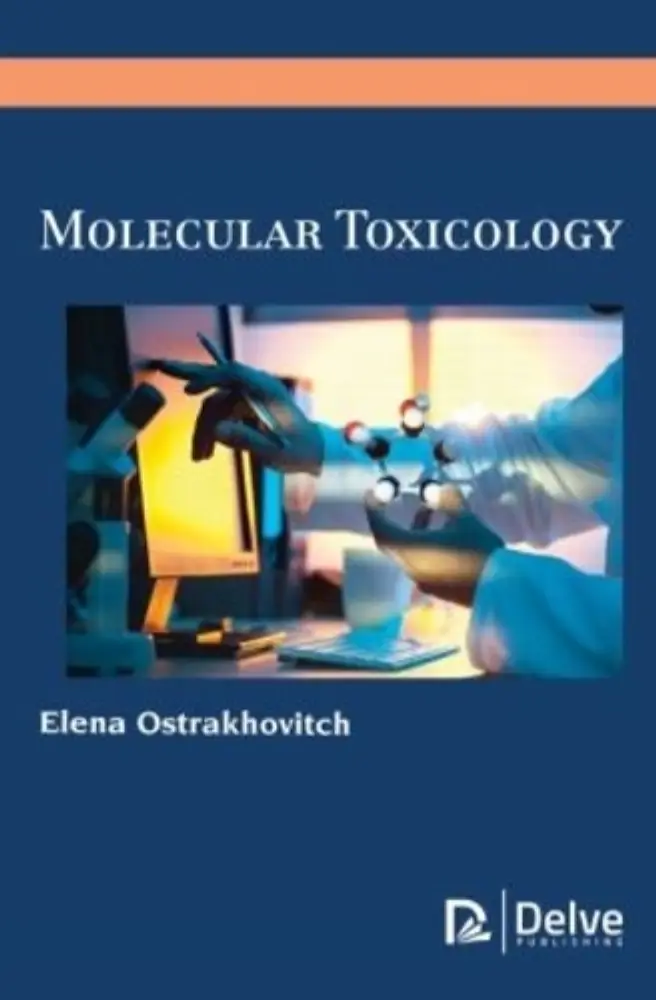

Molecular Toxicology
Molecular Toxicology is a specialized and rapidly evolving field that focuses on understanding the harmful effects of chemicals, drugs, and environmental agents at the molecular and cellular levels. It integrates principles from biochemistry, molecular biology, pharmacology, and genetics to explain how toxic substances interact with biological systems. This discipline plays a critical role in identifying mechanisms of toxicity, predicting adverse effects, and developing safer therapeutic agents and environmental policies.
At its core, molecular toxicology examines how toxicants affect key biomolecules such as DNA, RNA, proteins, and lipids. Molecular Toxicology When harmful substances enter the body, they may undergo metabolic activation or detoxification through enzymatic processes, primarily in the liver. Enzymes such as cytochrome P450 play a crucial role in converting chemicals into reactive intermediates, which can either be neutralized or cause cellular damage. Understanding these metabolic pathways is essential for predicting toxicity and individual susceptibility.
One of the central themes in molecular toxicology is the interaction between toxic agents and genetic material. Molecular Toxicology Certain chemicals can bind directly to DNA, leading to mutations, chromosomal abnormalities, or disruptions in gene expression. These changes may result in Molecular Toxicology carcinogenesis, developmental defects, or other long-term health effects. The study of genotoxicity and mutagenesis is therefore a key component of this field, particularly in cancer research and drug safety evaluation.
Another important aspect is the role of oxidative stress in toxicity. Many toxic substances generate reactive oxygen species (ROS), which can damage cellular components such as membranes, proteins, and nucleic acids. This oxidative damage is linked to a variety of diseases, including cancer, neurodegenerative disorders, and cardiovascular conditions. Molecular toxicology investigates how cells respond to oxidative stress through antioxidant defense mechanisms and repair systems.
Cell signaling pathways are also a major focus of molecular toxicology. Toxicants can interfere with normal cellular communication by altering signaling molecules, receptors, and transcription factors. This disruption can lead to abnormal cell growth, apoptosis (programmed cell death), or inflammation. By studying these pathways, researchers can identify potential targets for therapeutic intervention and better understand disease progression.
The field also explores the concept of dose-response relationships at the molecular level. Molecular Toxicology Even small amounts of a toxic substance can have significant effects if they interact with critical molecular targets. Conversely, the body’s defense mechanisms may mitigate the impact of low-level exposures. Molecular toxicology helps in determining safe exposure limits and assessing the risk associated with various chemicals.
Molecular Toxicology Advancements in technology have greatly enhanced the scope of molecular toxicology. Techniques such as genomics, proteomics, and metabolomics allow researchers to study the global effects of toxicants on biological systems. These approaches provide a comprehensive view of how cells respond to exposure and help identify biomarkers for early detection of toxicity. Computational modeling and bioinformatics are also increasingly used to predict toxic effects and reduce the need for animal testing.
Molecular toxicology has significant applications in medicine, environmental science, and regulatory policy. It is essential for drug development, where understanding toxicity is crucial for ensuring safety and efficacy. In environmental health, it helps assess the impact of pollutants and guide regulations to protect public health. Additionally, it contributes to personalized medicine by considering genetic variations that influence individual responses to toxic substances.
Overall, Molecular Toxicology is a vital field that bridges basic science and applied research. Molecular Toxicology By uncovering the molecular mechanisms of toxicity, it provides valuable insights into disease prevention, risk assessment, and the development of safer chemicals and therapies.






Reviews
There are no reviews yet