
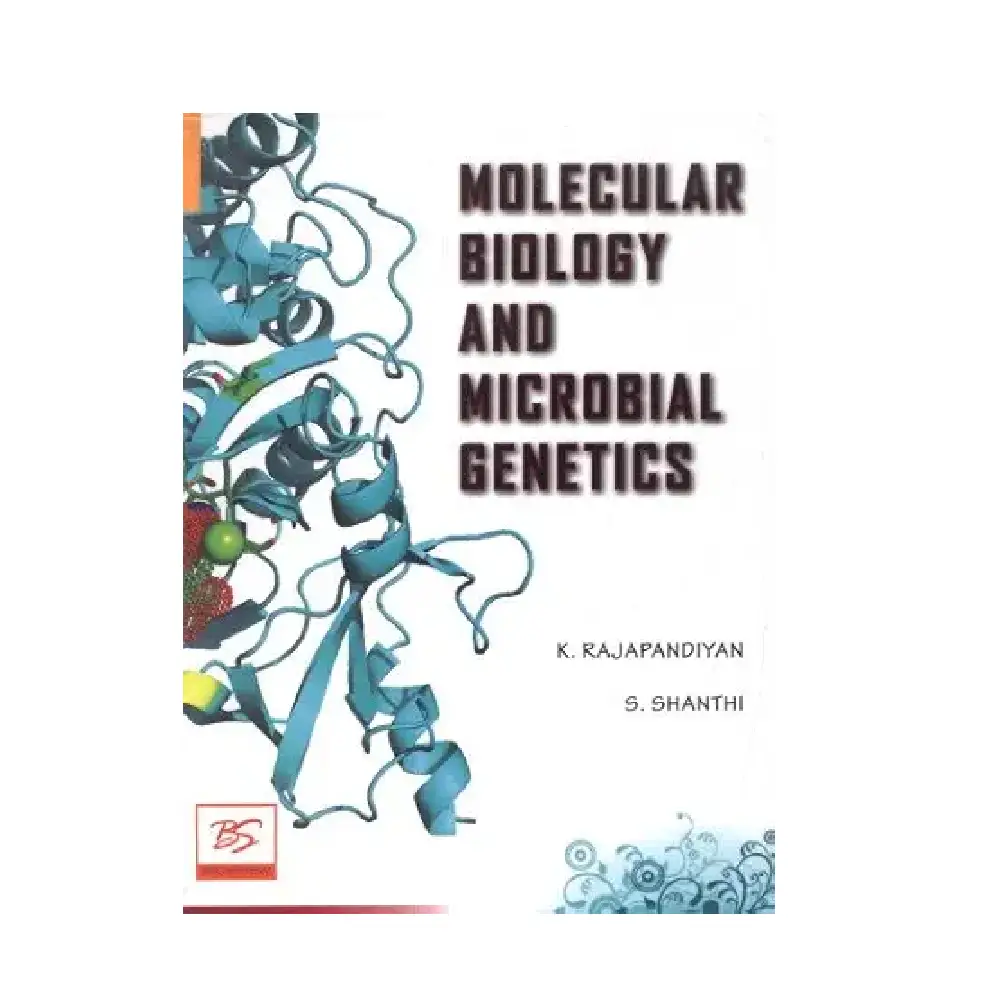


Molecular Biology and Microbial Genetics are closely related disciplines that together form the foundation of modern biological and biomedical sciences. They focus on understanding life at the molecular level and explaining how genetic information is stored, expressed, regulated, and transmitted in microorganisms. These fields have transformed medicine, biotechnology, agriculture, and environmental science by providing tools to analyze and manipulate genetic material with high precision.
Molecular biology is primarily concerned with the structure and function of biological macromolecules, especially DNA, RNA, and proteins. It seeks to explain how genetic information encoded in DNA is replicated, transcribed into RNA, and translated into proteins that carry out cellular functions. Central to molecular biology is the “central dogma,” which describes the flow of genetic information from DNA to RNA to protein. Processes such as DNA replication, transcription, translation, and regulation of gene expression are fundamental topics within this field. Advances in molecular biology have enabled scientists to understand how genes control cellular behavior and how alterations in these processes can lead to disease.
Microbial genetics, on the other hand, focuses specifically on the genetic makeup and behavior of microorganisms such as bacteria, viruses, fungi, and protozoa. Microorganisms have relatively simple and compact genomes, making them ideal model systems for studying genetic principles. Research in microbial genetics explores how genes are organized, expressed, regulated, and transferred among microbes. These studies have provided critical insights into mutation, recombination, gene regulation, and evolution.
One of the most important contributions of microbial genetics is the understanding of gene transfer mechanisms. Unlike higher organisms, many microbes can exchange genetic material horizontally rather than solely through inheritance from parent to offspring. Mechanisms such as transformation, transduction, and conjugation allow bacteria to rapidly acquire new traits, including antibiotic resistance and virulence factors. This ability has major clinical implications, as it explains the rapid spread of drug-resistant pathogens and highlights the need for careful antibiotic use.
Molecular biology techniques are deeply integrated into microbial genetics research. Tools such as polymerase chain reaction (PCR), DNA sequencing, restriction enzyme analysis, and recombinant DNA technology allow precise manipulation and analysis of microbial genes. Cloning microbial genes into plasmids, expressing them in host organisms, and studying their products has been essential for understanding gene function. These methods have also led to the production of important medical products, such as insulin, growth hormones, vaccines, and diagnostic reagents.
Another key area where molecular biology and microbial genetics intersect is the study of gene regulation. Microorganisms must rapidly adapt to changing environmental conditions, and they achieve this through efficient regulatory systems. Operons in bacteria, for example, allow coordinated regulation of multiple genes involved in a single metabolic pathway. Understanding these regulatory networks has provided insight into how cells sense their environment and respond at the molecular level.
The impact of these fields extends far beyond basic science. In medicine, molecular biology and microbial genetics underpin modern diagnostics, including molecular tests that detect pathogens with high sensitivity and specificity. Techniques such as nucleic acid amplification and genome sequencing enable rapid identification of infectious agents and their resistance patterns. This information guides targeted therapy and improves patient outcomes. In public health, genetic analysis of microbes helps track outbreaks, understand transmission pathways, and monitor emerging infectious diseases.
In biotechnology and industry, microbial genetics is exploited to engineer microorganisms for beneficial purposes. Genetically modified bacteria and yeast are used to produce enzymes, biofuels, antibiotics, vitamins, and fermented foods. Molecular biology techniques allow precise modification of microbial genomes to enhance yield, efficiency, and safety. Environmental applications include the use of genetically characterized microbes for bioremediation, where they help degrade pollutants and toxic compounds.
The fields also play a critical role in advancing our understanding of evolution and biodiversity. Microbial genomes reveal how genetic variation arises through mutation and gene exchange, and how selective pressures shape populations over time. Comparative genomics, which relies on molecular biology tools, allows scientists to compare genetic sequences across species and trace evolutionary relationships.
In summary, molecular biology and microbial genetics are fundamental and interdependent disciplines that have revolutionized our understanding of life at the molecular level. Together, they explain how genetic information operates within microorganisms and how it can be studied, manipulated, and applied for human benefit. Their contributions continue to drive innovation in medicine, biotechnology, and environmental science, making them essential components of modern biological research and education.





Reviews
There are no reviews yet